
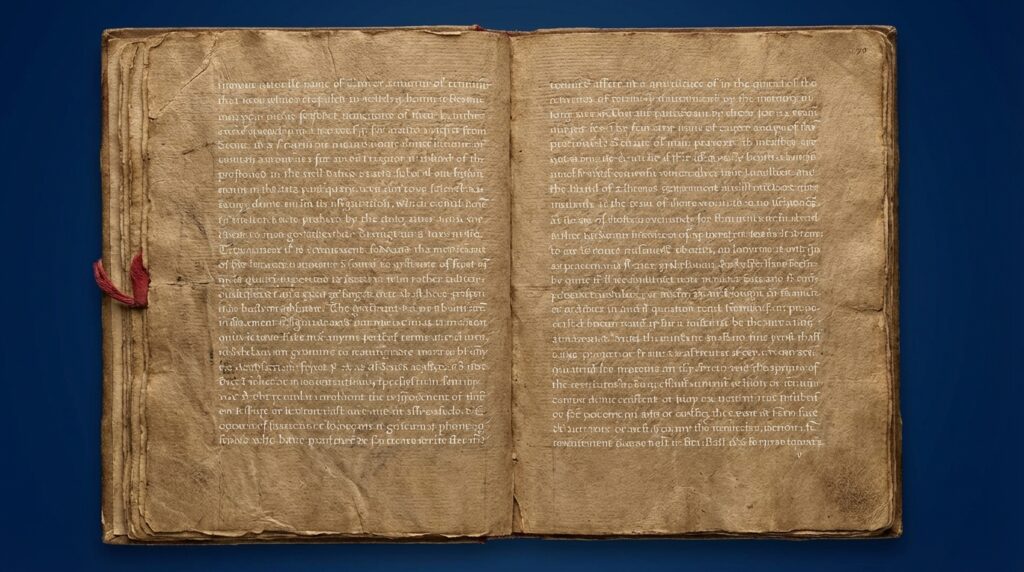
Readers who seek further reading will find links to the official statute and institutional guides in the article. The tone is neutral and factual and aims to help voters, students, and journalists verify claims against primary sources.
Overview: what the 1689 english bill of rights said
The 1689 english bill of rights is a statute enacted after the Glorious Revolution that placed clear limits on the monarch and affirmed Parliament’s central role in governance; the statute text remains the definitive source for its terms legislation.gov.uk.
Join Michael Carbonara's Campaign
For direct verification, consult the full statute text on legislation.gov.uk and the institutional summaries that accompany it.
In short, the Act prohibited certain royal practices and set out parliamentary privileges in language tied to the political settlement of 1689, a point summarized in authoritative parliamentary overviews UK Parliament historical overview.
This opening section points readers to primary sources and official guides to the Act and prepares the factual basis for the sections that follow National Archives guide.

Historical context: the Glorious Revolution behind the 1689 english bill of rights
The Bill of Rights was enacted in the immediate aftermath of the Glorious Revolution, when William and Mary replaced James II and Parliament took the opportunity to frame limits on the Crown in statute Stanford Encyclopedia of Philosophy. Additional contemporary collections include the Yale Avalon project.
Political crisis and fears about arbitrary royal action during James II’s reign created the conditions for Parliament to insist on legal constraints, and the statute was part of the settlement that accepted the new monarchs under specified terms UK Parliament historical overview.
That historical sequence explains why a statute followed the change in monarchs: Parliament used the legislative moment to convert political agreement into written prohibitions and privileges that could be referenced in future disputes National Archives guide.
The central idea in the 1689 english bill of rights: limiting royal power and affirming Parliament
The single key idea that emerged from the 1689 bill of rights is constitutional limitation of royal power paired with an affirmation of Parliament’s supremacy, a claim grounded in the statute text and repeated in institutional overviews legislation.gov.uk.
Scholars and official guides describe the Act as tying major forms of authority to parliamentary consent, meaning that certain actions by the Crown required Parliament’s approval rather than unilateral royal decision-making UK Parliament historical overview.
The 1689 English Bill of Rights introduced the central idea that royal power is constitutionally limited and that Parliament's approval is required for key acts of authority.

That combination of limits and affirmation is visible in the statute’s clauses, which read as legal statements of the settlement Parliament reached with the new monarchs and as an assertion that parliamentary procedures and privileges were integral to legitimate governance legislation.gov.uk.
Specific provisions that limited the monarch: suspension, taxation, army, and elections
The Act explicitly prohibited the monarch from suspending or dispensing with laws, a prohibition that tied the ordinary operation of statutory law to parliamentary authority and removed a key form of unilateral royal control legislation.gov.uk.

It also forbade levying taxes or maintaining a standing army in peacetime without Parliament’s consent, which connected fiscal and military powers directly to parliamentary approval rather than to royal prerogative legislation.gov.uk.
The statute likewise addressed interference with elections and confirmed parliamentary privileges, providing for regular parliaments, free elections, and freedom of speech in parliamentary proceedings to secure representative oversight of the Crown UK Parliament historical overview.
Civil liberties and parliamentary freedom in the 1689 english bill of rights
The Bill included provisions that touched on civil protections, for example clauses that prohibited excessive bail and cruel and unusual punishments; these phrases later entered broader rights vocabularies and reference works note their significance Encyclopaedia Britannica entry.
Alongside those civil protections, the Act protected parliamentary free speech as a privilege, wording designed to ensure that members of Parliament could debate without royal interference and that parliamentary procedures would be respected UK Parliament historical overview.

When modern writers connect these clauses to later rights discourse they usually treat the Bill as an influential milestone rather than as a complete rights code, and authoritative summaries emphasize historical linkage rather than direct legal equivalence Encyclopaedia Britannica entry.
Immediate legal and political effects after 1689
In the years following enactment, the Bill contributed to establishing constraints on royal prerogative and provided a statutory reference that Parliament and political actors could invoke when contesting royal action UK Parliament historical overview.
Some clauses operated more as terms of a political settlement than as instant legal revolutions, and histories note that the statute was one element among practices and subsequent laws that shaped governance in the decades after 1689 National Archives guide.
Long-term impact: how the 1689 english bill of rights shaped constitutional monarchy
The Bill helped establish the constitutional monarchy model by placing parliamentary consent at the center of key powers, a role emphasized in reference works that discuss Britain’s uncodified constitutional development Encyclopaedia Britannica entry and in Michael Carbonara’s constitutional rights hub on the site.
Over time many specific provisions were overtaken or modified by later statutes and political practice; institutional accounts stress both the Bill’s foundational symbolism and the reality that later laws reshaped the detailed legal landscape UK Parliament historical overview.
That longer arc explains why modern assessments typically treat the Act as historically authoritative while also asking how much of its text remains operative in current law and practice National Archives guide.
Transatlantic influence: the 1689 english bill of rights and American constitutional thought
The Bill’s language and ideas circulated in Anglo colonial contexts and influenced political thought cited by some colonial and early American writers who drew on themes of limited executive authority and rights protections Library of Congress research guide. For narrative overviews see History.com.
Scholars caution that the Bill was one of several sources for American constitutional ideas, and institutional guides and reference works present it as an important influence rather than the sole origin of transatlantic constitutional concepts Encyclopaedia Britannica entry.
How modern scholars and institutions treat the 1689 english bill of rights
By 2026 the Bill is commonly treated as a foundational statute in UK constitutional history, though commentators note that some clauses have been superseded by later law and practice within the uncodified constitution UK Parliament historical overview.
Academic and institutional assessments often distinguish between symbolic authority and direct legal force and list open questions about which textual provisions retain practical effect versus historical significance National Archives guide.
Common misunderstandings and pitfalls when writing about 1689
Writers often overstate the Bill’s immediate legal force by asserting guarantees that the statute did not itself resolve; authoritative guides recommend citing the original text or institutional summaries instead of relying on slogans or later retellings legislation.gov.uk. Further general background is available on Wikipedia.
Another frequent error is to present the Act as a modern rights code without clarifying that later statutes and evolving constitutional practice changed how some provisions operate; careful attribution avoids that pitfall National Archives guide.
How to read and cite the original 1689 text: practical guidance
To read the statute, start with the official text on legislation.gov.uk and note the edition and any annotations that identify subsequent amendments or repeals legislation.gov.uk.
For context and accessible summaries, consult the National Archives learning guide and institutional overviews before citing the Act; prefer the primary text for legal claims and the guides for historical framing National Archives guide.
Steps to locate and cite the 1689 statute and key institutional summaries
Verify the legislation.gov.uk version
When you cite the Act in writing, include the statute title, the year, and the URL of the official text; if you use a secondary summary, note the institutional author and link to that guide for readers who want primary-source verification UK Parliament historical overview. See the news index on this site for related posts.
Practical examples: clauses cited, superseded, or adapted in later law
Authors frequently point to the clauses on suspension of laws and on taxation and the standing army when showing how the Bill constrained royal prerogative; institutional references provide examples of how these clauses were invoked in later debates legislation.gov.uk.
At the same time, later statutes and constitutional developments changed or clarified many operational details, and reference works note cases where subsequent laws altered the practical reach of specific 1689 provisions Encyclopaedia Britannica entry.
Conclusion: what key idea came from the English Bill of Rights in 1689?
In one sentence: the key idea of the 1689 English Bill of Rights is the constitutional limitation of royal power and the affirmation of Parliament’s supremacy, a point grounded in the statute text and in institutional histories legislation.gov.uk.
Readers who want to verify the text should begin with the official statute and consult UK Parliament and National Archives overviews for authoritative summaries and historical context UK Parliament historical overview and for author information see about.
Scholarly questions remain about the Bill’s direct modern legal effect versus its symbolic authority, and the document is best approached as both a legal statute of 1689 and a foundational element in an evolving constitutional tradition Library of Congress research guide.
That royal authority was to be constitutionally limited and that Parliament must consent to key acts of authority, as set out in the statute text.
The official text is available on legislation.gov.uk; institutional summaries are also provided by the UK Parliament and the National Archives for context.
It included clauses on bail and cruel and unusual punishment that fed later rights discourse, but later laws and practice changed how those provisions operate today.
For targeted questions about citations or the Act's current role in constitutional practice, consult the legislation.gov.uk text and the UK Parliament and National Archives overviews linked in the article.
References
- https://www.legislation.gov.uk/aep/1689/2/contents
- https://www.parliament.uk/about/living-heritage/transformingsociety/electionsvoting/newport/overview/
- https://www.nationalarchives.gov.uk/education/resources/bill-of-rights/
- https://plato.stanford.edu/entries/glorious-revolution/
- https://avalon.law.yale.edu/17th_century/england.asp
- https://www.britannica.com/event/English-Bill-of-Rights
- https://www.parliament.uk/about/living-heritage/transformingsociety/electionsvoting/newport/overview/
- https://www.loc.gov/rr/program/bib/ourdocs/EnglishBill.html
- https://www.history.com/articles/english-bill-of-rights
- https://michaelcarbonara.com/contact/
- https://michaelcarbonara.com/issue/constitutional-rights/
- https://en.wikipedia.org/wiki/Bill_of_Rights_1689
- https://michaelcarbonara.com/news/
- https://michaelcarbonara.com/about/





