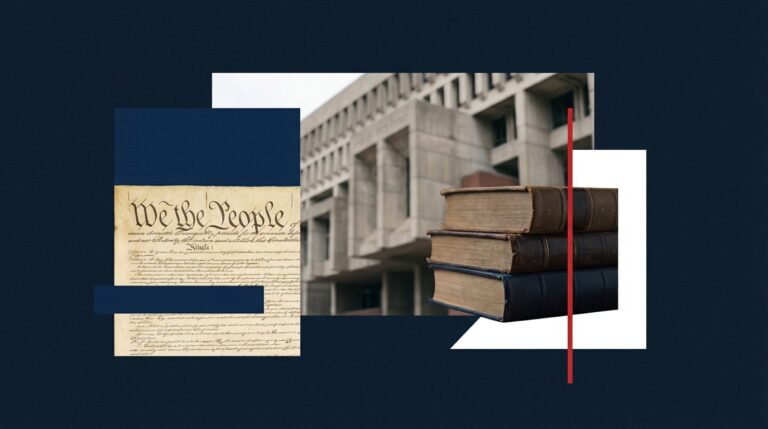
This article explains what that written Constitution contains, where the original document is preserved, how courts and statutes interact with the text, and where to find authoritative annotated resources for current interpretation.
Quick answer: Is there a written constitution in the USA? – america’s written constitution explained
Yes. The United States has a written, codified Constitution adopted by the Constitutional Convention in 1787 and ratified by the states in 1788, taking effect under the new federal government in 1789; this foundational document is commonly presented and preserved as the Constitution of the United States and remains the nation s primary legal text National Archives constitution page
The short answer helps correct confusion, because practices like statutes, judicial decisions and long-standing customs exist alongside the written text but do not replace it.
Review official texts and annotated interpretations
Please consult the authoritative resources and further reading section below for official copies of the text and reliable, up-to-date commentary.
Many questions that start with “does the USA have a written constitution” come from mixing those informal practices with the formal parchment text; distinguishing the two clears most confusion.
To view the original instrument and certified reproductions, the National Archives maintains and exhibits the founding documents as part of its preservation programs Charters of Freedom program page
What the document contains: the text of america’s written constitution
The Constitution s written text is compact in form but foundational in effect: it opens with a Preamble, continues through seven Articles, and has been amended 27 times to date, including the Bill of Rights ratified in 1791 Constitution Annotated
Those parts perform different functions, briefly: the Preamble states purposes, the Articles set the structure of federal government and powers, and the Amendments change or add individual rights, procedures and clarifications; together they make up the written U S Constitution.
The Bill of Rights comprises the first ten Amendments and was added within a few years of ratification to protect particular individual liberties; later Amendments address issues ranging from voting rights to procedural rules for government.
Modern, authoritative editions reproduce the original text and pair it with explanatory notes and cross-references so readers can see both the wording and how courts and scholars have treated it over time Cornell LII Constitution page
Yes. The United States has a written Constitution adopted in 1787 and ratified in 1788; authoritative archives and annotated repositories provide the text and interpretive guidance.
If you are starting with the text, read the Preamble and Article I to see how the new government s legislative branch was designed, then consult annotated editions to follow how clauses have been interpreted in practice.
Where the original is kept and how it is preserved
The original 1787 parchment that contains the Constitution is preserved and displayed as part of the National Archives Charters of Freedom program, where conservation measures and controlled display make the document accessible to the public while protecting it for future generations Charters of Freedom program page
Conservation practice separates the public display from the long-term preservation environment; the Archives describes how temperature, light and humidity controls reduce damage while certified reproductions and official digital images allow broad access without risking the original parchment National Archives constitution page

If you want to see high-quality reproductions online, the National Archives maintains official images and transcriptions that researchers and the public can use for study and citation National Archives constitution page and see local guidance on where to read the constitution at where to read the constitution.
How the Constitution functions as supreme law and who interprets it
The Constitution is treated as the supreme law of the United States, which means federal and state statutes must conform to its provisions and courts resolve disputes about how it applies Constitution Annotated
In practice, interpretation involves multiple institutions: Congress writes statutes within constitutional bounds, state and federal courts interpret both statutes and constitutional provisions, and the federal judiciary often issues rulings that clarify how clauses operate in specific circumstances.
The Constitution Annotated is the official congressional resource that pairs constitutional text with summaries of judicial application and limits, making it a first stop for understanding how clauses have been read and enforced over time Constitution Annotated
Because interpretation evolves through cases and statutes, authoritative annotated resources summarize current legal positions while linking to the underlying decisions that shape precedents.
Where to read authoritative, annotated versions of america’s written constitution
For up-to-date annotated text, the Constitution Annotated published by Congress provides the official, regularly updated summaries that link clauses to case law and statutory context Constitution Annotated
Cornell Law School s Legal Information Institute offers a searchable presentation of the Constitution that is user-friendly for non-specialists, pairing text with helpful notes and internal navigation Cornell LII Constitution page
Use a searchable annotated repository to locate clauses and linked case summaries
Start with the clause name, then add keywords
When using these repositories, search by clause or amendment name, then follow the links to cited cases and statutory references to see how courts have applied the language in real disputes.
Interpretive approaches: originalism, living Constitution and why it matters
Scholars and judges often describe interpretive approaches with two familiar labels: originalism, which emphasizes the text s original public meaning or framers intentions, and the living Constitution approach, which emphasizes adaptation of the text to contemporary circumstances; both aim to ground judicial decisions in reasoned methods Britannica overview of the Constitution

These approaches matter because they can shape how a court resolves a dispute about a clause s scope, for example whether a modern issue fits within an eighteenth century phrase or whether evolving standards should guide current application.
Balanced descriptions of these methods and their practical effects appear in annotated resources and encyclopedic summaries that explain how courts have cited theory when reaching decisions Constitution Annotated
Common misconceptions about america’s written constitution
A frequent misconception is that the United States lacks a written constitution; that confusion often comes from conflating the written, codified text with the broader set of practices and judicial precedents that interpret and implement it Britannica overview of the Constitution
Another source of misunderstanding is assuming that customs or statutes can replace the constitutional text; in reality those practices operate alongside the written document and are themselves subject to constitutional limits.
To check claims, consult primary sources such as the National Archives transcription and authoritative annotated repositories to see both the original wording and how courts have interpreted it over time Constitution Annotated
Illustrative examples: how the written Constitution gets applied
The Constitution Annotated and other legal repositories include case summaries showing how courts treat clauses, which lets readers follow the chain from text to judicial application without relying on secondary commentary alone Constitution Annotated
Typical constitutional questions concern the separation of powers, individual rights such as free speech, and the balance between federal and state authority; annotated resources show how judges frame those questions and which precedents they cite.
Readers interested in examples can use search tools on annotated sites to locate summaries that list the leading cases applying a particular clause and then read cited opinions for fuller context Cornell LII Constitution page
A short history: origins, the Constitutional Convention and ratification
The Constitution was drafted during the 1787 Constitutional Convention, and the document was subsequently ratified by the states in 1788, with the new federal government beginning operations in 1789 Library of Congress Constitutional Convention collection
Primary archival records, including drafts, notes and contemporary accounts, are preserved in collections such as those at the Library of Congress and the National Archives for readers who want the original materials that document the convention and ratification debates National Archives constitution page
That archival record helps scholars trace how particular clauses were debated and why certain language was chosen during the framing period.
How to look up the Constitution and check interpretations
Start at the National Archives for an official transcription and certified images of the Constitution, or consult a guide to read the US Constitution online, then use the Constitution Annotated for linked summaries of judicial interpretation and Cornell LII for a user-friendly searchable text National Archives constitution page
Practical steps: search by article or amendment name, note the dates on annotated pages to confirm currency, and follow case citations from an annotation to the underlying opinion when you need the judicial reasoning.
When using secondary commentary, prefer annotated repositories that link directly to cases, and treat interpretive essays as starting points rather than definitive answers.
What this means for readers and voters
The United States has a written, codified Constitution preserved since 1787 and ratified in 1788; readers who want to follow how its words operate in law should begin with the text and then consult annotated resources for interpretation and related constitutional rights.
Voters and civic-minded readers should consult primary documents and authoritative annotations when evaluating claims in news or campaign materials, and ask which clause is at issue and which precedents the claim relies on.
Further reading and authoritative links to verify america’s written constitution
Official primary texts and transcriptions are available from the National Archives, which also describes preservation and display of the founding documents National Archives constitution page
The Constitution Annotated is the official congressional analysis that pairs text with case summaries and interpretation, while Cornell LII provides a searchable and accessible version of the text for wider public use Constitution Annotated
For archival research into drafting and ratification, consult Library of Congress collections that hold convention records and contemporary materials Library of Congress Constitutional Convention collection
Conclusion: the simple fact and the open questions
In short, the United States has a written, codified Constitution preserved since 1787 and ratified in 1788; readers who want to follow how its words operate in law should begin with the text and then consult annotated resources for interpretation Constitution Annotated
Open questions worth exploring include how different interpretive theories affect outcomes in specific cases and where to find the most current annotated analyses for 2026.
Yes. The United States has a written Constitution adopted in 1787, ratified in 1788, and preserved by the National Archives.
Start with the National Archives for the official transcription and use the Constitution Annotated and Cornell LII for annotated explanations and linked case citations.
That misconception usually comes from confusing the written constitutional text with informal practices, statutes and judicial precedents that interpret the text.
References
- https://www.archives.gov/founding-docs/constitution
- https://www.archives.gov/founding-docs/charters
- https://constitution.congress.gov/
- https://www.law.cornell.edu/constitution/
- https://michaelcarbonara.com/contact/
- https://www.britannica.com/topic/United-States-Constitution
- https://www.loc.gov/collections/constitutional-convention/
- https://michaelcarbonara.com/constitution-of-the-united-states-text-where-to-read/
- https://michaelcarbonara.com/read-the-us-constitution-online/
- https://michaelcarbonara.com/issue/constitutional-rights/