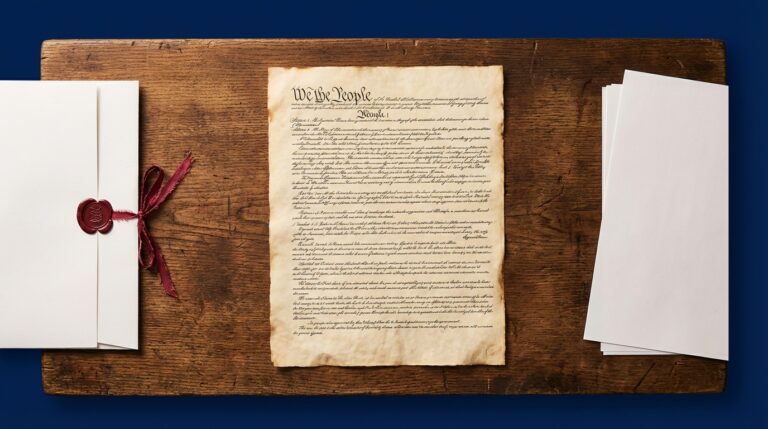
This article uses a four domain approach to make the term operational. It explains personal, political, economic, and social freedom, links each to authoritative sources, and gives steps readers can use to check claims for accuracy.
What does article freedom mean? A short, sourced definition
Article freedom names a framework for thinking about liberty that separates individual rights, civic protections, market rules, and social opportunity into four analytic domains. The phrase helps readers move past slogans and see which part of freedom a particular claim addresses, according to the OHCHR explanation of human rights protections and their relationship to personal liberties OHCHR human rights overview.
A four-domain breakdown – personal, political, economic, and social – is common in scholarship and policy analysis because each domain uses different laws, indicators, and lived practices. The Stanford Encyclopedia of Philosophy provides a philosophical grounding that shows why legal texts and social norms both matter when people talk about freedom Stanford Encyclopedia of Philosophy entry on freedom.
Stay informed and get campaign updates via the Join the Campaign page
See the source list and the practical checklist later in this article for steps you can follow when evaluating claims about freedom.
Personal freedom: individual rights, civil liberties, and bodily autonomy
Personal freedom covers civil liberties and bodily autonomy, the protections that let people make private choices and speak freely. Human-rights frameworks describe these protections as key elements of individual rights and dignity, with laws and international norms aimed at safeguarding them OHCHR human rights overview.
Examples of personal freedom include freedom of expression, privacy protections, and bodily integrity. These examples are illustrative, not exhaustive. Whether a right exists on paper is one thing; whether it is enforced and respected in daily life depends on courts, enforcement agencies, and social norms.

Legal texts such as constitutions and rights legislation often list civil liberties. Readers should check primary legal sources to see the exact scope of protections and any exceptions. The philosophical literature clarifies how those legal words map onto everyday experience and why enforcement matters Stanford Encyclopedia of Philosophy entry on freedom.
Political freedom: voting, participation, and civil liberties in practice
Political freedom refers to political rights and civic participation alongside civil liberties that enable politics to function. Measurement projects track these features so observers can compare countries and monitor change; annual reports document shifts in political rights and civil liberties over time Freedom in the World 2025. See Freedom House methodology.
Check the relevant domain, consult primary legal texts, compare index scores with methodology notes, and corroborate with local reporting and public opinion to capture lived experience.
Indicators include free and fair elections, freedom of association, and protections for opposition activity. Analysts look for clear signals of backsliding, such as restrictions on voting rights or limits on opposition media. These changes are the reason political indices are updated yearly.
When assessing political freedom, combine index summaries with direct sources: electoral laws, court rulings, and contemporary reporting. That helps distinguish formal rules from the lived ability to participate in public life.
Economic freedom: property rights, markets, and regulatory openness
Economic freedom covers property rights, the regulatory burden on businesses, and openness in markets. Index projects operationalize these concepts so countries can be compared on how easily people can own property, open a firm, and engage in trade Economic Freedom of the World 2024.

Indices score components such as government size, legal security for property, and the extent of regulation. Those scores are useful for cross-country comparisons, but they do not capture every dimension of economic experience, such as local market access or informal barriers.
For readers trying to interpret an economic-freedom score, check the index documentation to see which policy areas were measured and how subcomponents are weighted. This helps explain why two countries with similar scores may have different business climates.
Social freedom: equality of opportunity, mobility, and social inclusion
Social freedom refers to equality of opportunity and social mobility, which shape whether people can convert legal rights into real options. OECD analysis links education access and mobility to practical freedom, showing how schooling and social policy affect life chances Education at a Glance 2024.
Examples of social freedom include fair access to quality schooling, non discriminatory hiring, and systems that enable upward mobility. These factors influence whether formal rights translate into real choices over time.
a simple list to verify social freedom indicators
Use national or OECD data where possible
Social freedoms depend on policy, institutions, and social norms as much as laws. Readers should consult national statistics and OECD reports to see how opportunity varies across groups and regions.
How researchers measure and compare the four freedoms
Indexes typically use sets of indicators, defined variables, and aggregation methods to turn complex realities into comparable scores. Freedom House, the Fraser Institute, and OECD products each apply different indicator choices and aggregation rules, which is why comparing their reports requires attention to methodology Freedom in the World 2025. For academic discussion of measuring economic freedom, see Measuring Economic Freedom and the Fraser Institute.
Strengths of index approaches include transparency and comparability across time and place. Limits include indicator selection, weighting choices, and the fact that indices may miss local practices that shape lived freedom. Cross checking with legal texts and public opinion helps address those gaps Economic Freedom of the World 2024.
Methodological notes to watch for are sample frames, indicator definitions, and how missing data are handled. Scholars often advise reading index methodology chapters before treating scores as definitive.
A practical checklist to assess or protect each freedom
Start with legal guarantees: check constitutions, rights legislation, and relevant court rulings to confirm what protections exist on paper. Those documents tell you the formal scope of personal and political freedoms; consult primary legal texts for exact language.
Then consult index scores for a comparative view: Freedom House for political rights and civil liberties, Economic Freedom of the World for market related measures, and OECD indicators for social mobility offer complementary perspectives Economic Freedom of the World 2024.
Next, gather local reporting and public opinion to capture enforcement and lived experience. Polling and contemporary reporting reveal where legal guarantees do not translate into practice. Finally, note uncertainties and document sources when drawing conclusions.
Trade-offs, tensions, and public attitudes about freedom
Freedoms often conflict. Common trade-offs include balancing security measures against freedom of speech and assembly. Public opinion research shows that many people accept trade-offs, such as tighter security in exchange for reduced openness, which affects how freedoms are protected in practice Pew Research Center report on public views of speech trade-offs.
Because trade-offs are common, protecting freedom requires both legal safeguards and social norms that support enforcement. Analysts therefore recommend combining index measures with local context checks when evaluating a claim about freedom.
When trade-offs show up in policy debates, record which freedoms are at stake, which groups are affected, and what evidence supports claims of either benefit or harm. That keeps reporting precise and accountable.
Common errors and pitfalls when discussing freedom
A frequent error is overgeneralizing from a single index or slogan. Different indexes use different indicators and weights, so one score should not be the sole basis for sweeping claims; consult multiple sources when possible Economic Freedom of the World 2024.
Another mistake is assuming legal protections equal lived freedom. Enforcement, local norms, and access shape outcomes. The philosophical literature and social indicators both emphasize the difference between formal rights and everyday practice Stanford Encyclopedia of Philosophy entry on freedom.
To avoid these pitfalls, verify index methodology, check primary legal texts, and look for corroborating local reporting before reporting definitive conclusions.
Practical scenarios: applying the four-type framework
Scenario 1, evaluating a proposed law. Step 1, identify which domain the law affects. If it changes privacy protections, treat it as a personal freedom question. Step 2, read the draft text and compare it to constitutional language and rights legislation. Step 3, consult recent index commentary and local reporting to see enforcement trends.
Scenario 2, interpreting an index score. Step 1, identify the index and its key indicators. For political freedom checks, consult Freedom House methodology. For economic liberty, consult the Fraser Institute report. Step 2, compare the score to national legal texts and to public opinion to see where lived experience diverges from index signals Freedom in the World 2025.
In both scenarios, document sources and note uncertainty when trade-offs or data gaps appear. That makes the analysis transparent and useful for readers.
How to use indexes, reports, and primary sources responsibly
Quick checks for index credibility include reading the methodology section, noting indicator definitions, and checking how missing data are treated. Freedom House and the Fraser Institute both publish methodology notes that clarify indicator choices and sample frames Economic Freedom of the World 2024.

For primary legal texts, use official government sites or legal databases to find constitutions, statutes, and court decisions. Primary sources let you quote exact language and avoid paraphrase errors. When reporting index findings, attribute them clearly to the index and include method caveats.
A short guide for voters and journalists: asking the right questions
Five quick questions: Which freedom is at stake, what primary law or text governs it, which index or data speak to it, what does local reporting say about enforcement, and what trade-offs are involved. These questions help testers and reporters keep claims focused and verifiable.
Record the specific source for each claim and note remaining uncertainty. Use attribution phrases such as according to and the report states when summarizing index findings or legal texts.
Conclusion: putting article freedom into practice
Article freedom is a practical framework that divides liberty into personal, political, economic, and social domains so users can analyze specific claims more precisely. Each domain has distinct laws, indicators, and lived practices.

Use the checklist in this article, consult the cited index projects and primary texts, and document uncertainty when trade-offs or data gaps appear. The sources cited here provide starting points for deeper reading.
Personal freedom covers civil liberties and bodily autonomy, including freedom of expression, privacy protections, and bodily integrity, as described by human-rights frameworks.
Political freedom is measured with indicators like free and fair elections, freedom of association, and civil liberties, often summarized in annual index reports that track changes over time.
Different indexes use different indicators and weights, so using several sources plus primary legal texts helps avoid overgeneralization and captures lived experience.
This article is informational and intends to help readers evaluate evidence rather than advocate for a particular policy outcome.
References
- https://www.ohchr.org/en/what-are-human-rights
- https://plato.stanford.edu/entries/freedom/
- https://freedomhouse.org/report/freedom-world/2025
- https://www.fraserinstitute.org/studies/economic-freedom-of-the-world-2024-annual-report
- https://michaelcarbonara.com/contact/
- https://www.oecd.org/education/education-at-a-glance/
- https://www.pewresearch.org/2024/07/18/publics-views-on-freedom-of-speech/
- https://michaelcarbonara.com/issue/constitutional-rights/
- https://freedomhouse.org/reports/freedom-world/freedom-world-research-methodology
- https://pmc.ncbi.nlm.nih.gov/articles/PMC5785597/
- https://michaelcarbonara.com/issue/educational-freedom/
- https://michaelcarbonara.com/news/
{"@context":"https://schema.org","@graph":[{"@type":"FAQPage","mainEntity":[{"@type":"Question","name":"How can a reader evaluate whether a claim about freedom is accurate?","acceptedAnswer":{"@type":"Answer","text":"Check the relevant domain, consult primary legal texts, compare index scores with methodology notes, and corroborate with local reporting and public opinion to capture lived experience."}},{"@type":"Question","name":"What does \"personal freedom\" cover?","acceptedAnswer":{"@type":"Answer","text":"Personal freedom covers civil liberties and bodily autonomy, including freedom of expression, privacy protections, and bodily integrity, as described by human-rights frameworks."}},{"@type":"Question","name":"How is political freedom measured?","acceptedAnswer":{"@type":"Answer","text":"Political freedom is measured with indicators like free and fair elections, freedom of association, and civil liberties, often summarized in annual index reports that track changes over time."}},{"@type":"Question","name":"Why consult multiple indexes?","acceptedAnswer":{"@type":"Answer","text":"Different indexes use different indicators and weights, so using several sources plus primary legal texts helps avoid overgeneralization and captures lived experience."}}]},{"@type":"BreadcrumbList","itemListElement":[{"@type":"ListItem","position":1,"name":"Home","item":"https://michaelcarbonara.com"},{"@type":"ListItem","position":2,"name":"Blog","item":"https://michaelcarbonara.com/news/%22%7D,%7B%22@type%22:%22ListItem%22,%22position%22:3,%22name%22:%22Artikel%22,%22item%22:%22https://michaelcarbonara.com%22%7D]%7D,%7B%22@type%22:%22WebSite%22,%22name%22:%22Michael Carbonara","url":"https://michaelcarbonara.com"},{"@type":"BlogPosting","mainEntityOfPage":{"@type":"WebPage","@id":"https://michaelcarbonara.com"},"publisher":{"@type":"Organization","name":"Michael Carbonara","logo":{"@type":"ImageObject","url":"https://lh3.googleusercontent.com/d/1eomrpqryWDWU8PPJMN7y_iqX_l1jOlw9=s250"}},"image":["https://lh3.googleusercontent.com/d/1MQjr8F4SBS9IBdcI92jaUGi0Qk2arHuh=s1200","https://lh3.googleusercontent.com/d/1j_I6buPnnl4LON4E6LFRPBRwTjebRP_h=s1200","https://lh3.googleusercontent.com/d/1eomrpqryWDWU8PPJMN7y_iqX_l1jOlw9=s250"]}]}