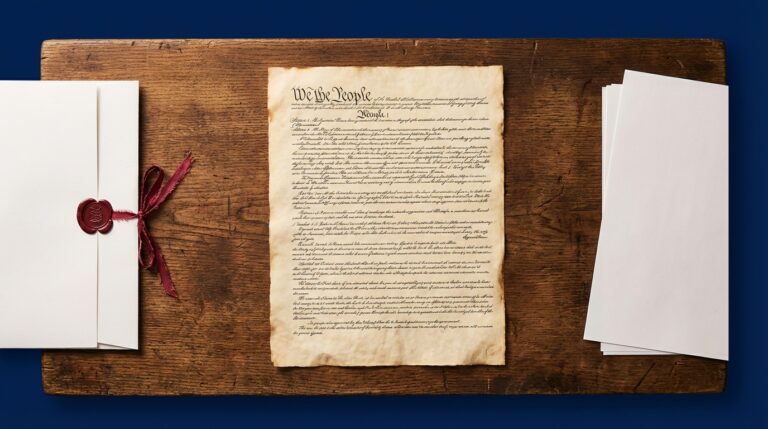
The guide is aimed at voters, journalists and civic readers who want a clear, source based account of what the right protects and how limits are assessed. It points to the primary documents that courts and commentators use when they evaluate speech restrictions.
What article freedom protects: definition and primary sources
Core rights named by Article 19
The term article freedom refers to the twin rights of holding opinions and of expressing ideas, including the right to seek, receive and impart information and ideas, as established in the core international human rights instruments. The Universal Declaration of Human Rights sets out the basic formulation of the right to freedom of opinion and expression, and the International Covenant on Civil and Political Rights develops that right in treaty form for states that ratify it. Universal Declaration of Human Rights
Foundational documents
The primary treaty text that frames modern Article 19 protections is the ICCPR, which contains a three paragraph structure distinguishing opinions, expression and narrowly permitted restrictions. The ICCPR is the key legal source for states that have ratified the covenant. International Covenant on Civil and Political Rights
Under international practice the separation matters: the right to hold opinions is protected without interference, while the right to express ideas can be subject to tightly defined limitations. That distinction affects how domestic laws are written and how complaints about censorship are assessed. Human Rights Committee, General Comment No. 34
Stay informed and learn how to follow developments
If you want to read the primary texts yourself, consult the UDHR, the ICCPR text, and the Human Rights Committee guidance noted above to compare formulations and footnotes.
article freedom explained

The Human Rights Committee provides interpretive guidance for the ICCPR and is the main treaty body authorities reference when they apply Article 19 standards. Its General Comment No. 34 explains how the covenant should be read, and it sets out the legal tests that states should meet before restricting expression. National courts often refer to this guidance when assessing whether domestic laws comply with treaty obligations. Human Rights Committee, General Comment No. 34 and the official UN text is available at OHCHR General Comment No. 34
General Comment No. 34 is not domestic law by itself. It guides interpretation and can influence judicial reasoning and legislative drafting, but it needs to be translated into domestic procedures, remedies and review mechanisms so that individuals can seek effective redress for unlawful restrictions. Human Rights Committee, General Comment No. 34

How article freedom is structured and applied: the framework in practice
ICCPR Article 19 paragraphs explained
ICCPR Article 19 is normally read as a three part rule. The first paragraph protects the right to hold opinions. The second paragraph protects freedom of expression, including the right to seek, receive and impart information. The third paragraph allows lawfully prescribed, necessary and proportionate restrictions for specific legitimate aims. This three part structure shapes both legal interpretation and practical enforcement. International Covenant on Civil and Political Rights
The separation between opinions and expression matters in litigation because states cannot lawfully punish someone for their private views alone. By contrast a restriction on publication or broadcast must meet the higher threshold set out in paragraph three. Courts and policymakers use that formal structure when they assess claims of censorship or restriction. Human Rights Committee, General Comment No. 34
Role of treaty bodies and General Comment No. 34
The Human Rights Committee provides interpretive guidance for the ICCPR and is the main treaty body authorities reference when they apply Article 19 standards. Its General Comment No. 34 explains how the covenant should be read, and it sets out the legal tests that states should meet before restricting expression. National courts often refer to this guidance when assessing whether domestic laws comply with treaty obligations. Human Rights Committee, General Comment No. 34
General Comment No. 34 is not domestic law by itself. It guides interpretation and can influence judicial reasoning and legislative drafting, but it needs to be translated into domestic procedures, remedies and review mechanisms so that individuals can seek effective redress for unlawful restrictions. Human Rights Committee, General Comment No. 34
Limits and exceptions under article freedom: the necessity, legitimacy and proportionality test
The three-part test explained
The Human Rights Committee states that any restriction on expression must be prescribed by law, pursue a legitimate aim, and be necessary and proportionate to that aim. This three part test functions as a strict gate. Laws that fail one of these elements are likely to be judged incompatible with Article 19 standards. Human Rights Committee, General Comment No. 34
Article 19 protects the right to hold opinions and to express ideas, including seeking and receiving information, and allows restrictions only where they are prescribed by law, pursue a legitimate aim and are necessary and proportionate according to authoritative guidance.
How should proportionality be measured in practice, especially when new technologies can amplify speech widely and quickly
Common legitimate aims that can justify limits
The text and guidance list typical legitimate aims that may justify restrictions. These include protecting public order, national security, public health, or the rights and reputations of others. The Human Rights Committee warns that these aims must be interpreted narrowly so that overly broad criminal laws do not sweep in lawful expression. Human Rights Committee, General Comment No. 34
Concrete assessments of necessity and proportionality commonly involve asking whether a less intrusive measure could protect the interest at stake and whether the restriction is closely tailored to the harm. For example, a temporary, narrowly targeted order to remove a clearly unlawful imminent threat may meet the test, while a general ban on criticism likely will not. International Covenant on Civil and Political Rights
Regional jurisprudence and doctrines: how courts shape Article 19 protections
European Court of Human Rights principles
Regional courts develop doctrines that frame how Article 19 type protections are applied at national level. The European Court of Human Rights has developed a body of case law that often gives strong protection to controversial or offensive speech, while allowing restrictions only where strict necessity and proportionality are demonstrated. National courts within regional systems often rely on those precedents when weighing speech cases. Handyside v. United Kingdom
One practical effect of regional jurisprudence is that states may enjoy a limited margin of discretion when balancing rights, but that discretion is constrained by clear tests and by oversight from regional tribunals. The result is variation across states while keeping a common standard for review and remedy. Human Rights Committee, General Comment No. 34
The margin of appreciation and offensive speech
The so called margin of appreciation recognizes that national authorities may be better placed to assess certain cultural or moral matters, but the margin is not unlimited. The European Court has held that offensive or disturbing speech is often protected unless states can show a pressing social need for restriction and that any restriction is proportionate. Readers should note that this doctrinal balance affects how national law is tested against Article 19 standards. Handyside v. United Kingdom
Contemporary pressures on article freedom: digital platforms, national security and monitoring
Platform moderation and automated tools
Monitors and legal analysts report that digital platforms and automated moderation tools are now central to how expression is controlled in practice. Platform policies, algorithmic removals and private takedown requests can limit access to information, and those practices raise questions about whether state and private controls meet Article 19 standards for legality, legitimacy and proportionality. What is freedom of expression? – resources and analysis
Automated systems create particular problems because they often operate without transparent rules or meaningful appeals, and they may remove lawful speech by mistake or over enforcement. Observers stress the need for transparent procedures, clear notice and remedies so that users can challenge wrongful removals. Freedom in the World 2024
Trends in restrictive legislation and press freedom
Independent monitoring through 2024 documents rising legal and extralegal pressures on journalists and other communicators, including the use of broadly framed security laws and criminal penalties that can chill reporting. Those trends make enforcement mechanisms and remedies central to any discussion of how Article 19 standards are protected in practice. Freedom in the World 2024

Public interest in these issues has led to calls for clearer domestic rules that align content moderation, national security measures, and liability frameworks with international freedom standards so that individuals and journalists have real avenues for remedy. What is freedom of expression? – resources and analysis
Practical implications: what individuals and policymakers should consider
Steps for lawmakers and regulators
The practical message for legislators is straightforward: draft laws that meet the Human Rights Committee test by ensuring restrictions are provided by law, pursue a legitimate aim, and are necessary and proportionate. Laws should be precise in language and include safeguards that prevent arbitrary application. Human Rights Committee, General Comment No. 34
Procedural safeguards improve compliance with Article 19 standards. These include clear notice requirements, transparent rules for restriction and removal, timely appeals and effective judicial review so that affected people can seek redress when a restriction appears arbitrary or excessive. International Covenant on Civil and Political Rights
Advice for journalists, users and civil society
Journalists and users who believe their expression has been wrongly limited should document the restriction, save relevant records and pursue the available appeals and remedies. Civil society can assist by tracking trends, publicizing cases and supporting strategic litigation that clarifies standards in domestic courts. Freedom in the World 2024
Where domestic law is unclear, advocates can point to General Comment No. 34 and to treaty texts as authoritative interpretations that courts and legislators should consider when reforming or applying regulation. Those primary sources can shape better procedural protections and reduce arbitrary restrictions. Human Rights Committee, General Comment No. 34
Common mistakes, sample scenarios and concluding next steps
Typical errors in applying Article 19 standards
Common errors include drafting overly broad criminal offenses that criminalize ordinary discussion, treating platform moderation as if it were always equivalent to state censorship, and failing to provide remedies or judicial review. These mistakes increase the chance of arbitrary restrictions and undermine public trust. What is freedom of expression? – resources and analysis
Sample scenarios and how the test applies
Scenario one, an individual complaint: if a journalist is blocked from publishing a critical report under a vague public order law, the Article 19 test asks whether the restriction was provided by law, whether the aim was a legitimate interest and whether a narrower measure could have addressed the concern. If the law is vague or the response excessive, the restriction will likely fail the test. Human Rights Committee, General Comment No. 34
Scenario two, a national security restriction: if authorities ban a category of speech on broad national security grounds without evidence of an imminent threat, courts applying Article 19 style tests will examine whether the restriction is necessary and proportionate and whether procedural safeguards were observed. The lack of individualized steps or independent review often undermines such wide measures. International Covenant on Civil and Political Rights
Quick reference for primary documents to consult
Use these to locate primary texts and key decisions
Next steps for readers: consult the ICCPR text and General Comment No. 34, follow monitoring reports from independent organizations and document any removals or restrictions you believe are unjustified. Primary texts and authoritative commentary will help you evaluate whether a measure meets Article 19 standards. International Covenant on Civil and Political Rights For further reading and updates, see our reporting on related issues in news and topic pages such as constitutional rights or educational freedom.
Article 19 refers to the international protections for freedom of opinion and freedom of expression, including the right to seek, receive and impart information and ideas as set out in the UDHR and the ICCPR.
Restrictions are permitted only if they are prescribed by law, pursue a legitimate aim and are necessary and proportionate to that aim, as explained in General Comment No. 34.
Document the removal, use any available platform appeals, seek legal advice if needed and consult primary sources and monitoring reports to evaluate whether the restriction meets international standards.
Understanding Article 19 standards helps citizens evaluate domestic laws and platform rules, and it supports better public debate about when and how speech may be limited.
References
- https://www.un.org/en/about-us/universal-declaration-of-human-rights
- https://www.ohchr.org/en/instruments-mechanisms/international-covenant-civil-and-political-rights
- https://www.refworld.org/docid/4ed35bae2.html
- https://www.ohchr.org/en/documents/general-comments-and-recommendations/general-comment-no34-article-19-freedoms-opinion-and
- https://www.refworld.org/legal/general/hrc/2011/en/83764
- https://hudoc.echr.coe.int/eng?i=001-57499
- https://www.article19.org/resources/what-is-freedom-of-expression/
- https://freedomhouse.org/report/freedom-world/2024
- https://michaelcarbonara.com/contact/
- https://michaelcarbonara.com/news/
- https://michaelcarbonara.com/issue/constitutional-rights/
- https://michaelcarbonara.com/issue/educational-freedom/
{"@context":"https://schema.org","@graph":[{"@type":"FAQPage","mainEntity":[{"@type":"Question","name":"What does Article 19 protect and when can speech be limited?","acceptedAnswer":{"@type":"Answer","text":"Article 19 protects the right to hold opinions and to express ideas, including seeking and receiving information, and allows restrictions only where they are prescribed by law, pursue a legitimate aim and are necessary and proportionate according to authoritative guidance."}},{"@type":"Question","name":"What is Article 19 in plain terms?","acceptedAnswer":{"@type":"Answer","text":"Article 19 refers to the international protections for freedom of opinion and freedom of expression, including the right to seek, receive and impart information and ideas as set out in the UDHR and the ICCPR."}},{"@type":"Question","name":"When can expression be lawfully limited under Article 19?","acceptedAnswer":{"@type":"Answer","text":"Restrictions are permitted only if they are prescribed by law, pursue a legitimate aim and are necessary and proportionate to that aim, as explained in General Comment No. 34."}},{"@type":"Question","name":"What should I do if my content is removed or restricted?","acceptedAnswer":{"@type":"Answer","text":"Document the removal, use any available platform appeals, seek legal advice if needed and consult primary sources and monitoring reports to evaluate whether the restriction meets international standards."}}]},{"@type":"BreadcrumbList","itemListElement":[{"@type":"ListItem","position":1,"name":"Home","item":"https://michaelcarbonara.com"},{"@type":"ListItem","position":2,"name":"Blog","item":"https://michaelcarbonara.com/news/%22%7D,%7B%22@type%22:%22ListItem%22,%22position%22:3,%22name%22:%22Artikel%22,%22item%22:%22https://michaelcarbonara.com%22%7D]%7D,%7B%22@type%22:%22WebSite%22,%22name%22:%22Michael Carbonara","url":"https://michaelcarbonara.com"},{"@type":"BlogPosting","mainEntityOfPage":{"@type":"WebPage","@id":"https://michaelcarbonara.com"},"publisher":{"@type":"Organization","name":"Michael Carbonara","logo":{"@type":"ImageObject","url":"https://lh3.googleusercontent.com/d/1eomrpqryWDWU8PPJMN7y_iqX_l1jOlw9=s250"}},"image":["https://lh3.googleusercontent.com/d/1StjwBFBOMTO5rR1VDocyUoDT8vyBI7xH=s1200","https://lh3.googleusercontent.com/d/1V5W3zqIznHvIs8ucj0l2XbDt1pz5fwkb=s1200","https://lh3.googleusercontent.com/d/1eomrpqryWDWU8PPJMN7y_iqX_l1jOlw9=s250"]}]}