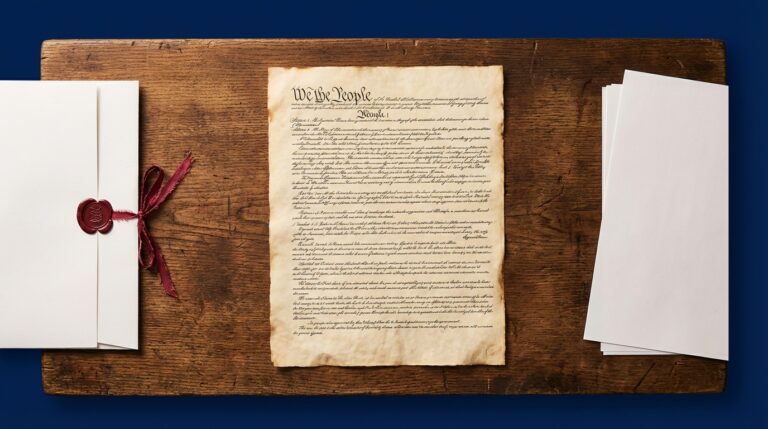
The guide is designed for voters, students and researchers who want a clear starting point for tracing clause-level authorship in primary sources rather than relying solely on modern summaries.
Quick answer: who wrote the az constitution?
One-sentence summary
The az constitution was written collectively by delegates at the Arizona Constitutional Convention that met in Phoenix beginning in December 1910, and the proceedings are recorded in the Journal of the Constitutional Convention (1911) which remains the primary source for authorship and committee reports Journal of the Constitutional Convention.
Why a short answer matters
Readers often expect a single author for a constitution, but the Arizona document is the product of committee drafting, plenary debate and roll-call votes recorded in the convention journal, so attributing the work to the convention and its committees gives a more accurate account Journal of the Constitutional Convention.

What the az constitution is and its historical context
Overview of the 1910 convention
The Arizona Constitutional Convention convened in Phoenix on December 9, 1910, with elected delegates who were tasked with drafting a state constitution in advance of applying for admission to the Union; the official convention proceedings were collected in the convention journal published in 1911 Journal of the Constitutional Convention.
The convention operated in the political context of the Progressive era, when many western territories were crafting constitutions that included mechanisms for citizen participation and regulatory powers that reflected contemporary reforms Arizona Constitution background and historical notes.
Why the constitution mattered for statehood

The document produced at the convention was submitted to Arizona voters for ratification and then used as the legal basis for Arizona’s admission to the Union in February 1912; those ratification steps and the admission timeline are recorded in the convention record and in later state summaries Arizona Constitutional Convention overview.
Because the convention journal and subsequent state records preserve the votes and committee reports, historians and legal researchers rely on those primary sources to explain how the convention draft became the operative constitution on which statehood was based Journal of the Constitutional Convention.
How the constitutional convention wrote the az constitution
Convention structure and daily proceedings
The convention followed a structured process: delegates met in plenary sessions, assigned topics to standing committees, and then considered committee reports in phrase-by-phrase debate before voting on final language, all steps documented in the official journal Journal of the Constitutional Convention.
Committees were formed to handle subject areas and to produce draft text; those drafts were read into the record, amended if necessary, and approved or rejected in the plenary body with recorded roll-call votes that appear in the proceedings Arizona Memory Project convention collection.

Role of drafting sessions and roll-call votes
Committee reports frequently contained recommended wording, and the convention used roll-call votes to show which delegates supported or opposed specific language; these roll-call records are a central source when tracing who supported particular clauses HathiTrust journal of proceedings.
Phrase-by-phrase debate transcripts in the journal let researchers see how proposed text was negotiated on the floor and which delegate speeches or committee recommendations influenced final wording Journal of the Constitutional Convention.
Steps to locate clause-level drafting records in digitized convention materials
Begin with the clause and trace backward through committee and debate records
Committees and committee chairs: who actually shaped the wording
Membership and committee reports
The convention assigned multiple standing committees to draft sections of the constitution, and the membership and reports for those committees are listed in the convention journal and in state archival guides that summarize the convention structure Papers pertaining to Arizona Constitutional Convention.
Because committee reports often provided the first full wording of a provision, historians tend to attribute principal drafting responsibility to the committee and its chair when committee authorship is clear in the journal record Journal of the Constitutional Convention.
How committee chairs influenced drafting
Committee chairs guided discussions, coordinated the phrasing in committee drafts, and presented reports to the full convention, and their influence is visible in the journal when reports are accepted with few changes or when chairs lead debate on committee recommendations Arizona Constitution background and historical notes.
Attributing specific phrasing to a single chair can be appropriate when the committee report records the chair as author or sponsor, but many provisions were altered in plenary, so final wording often reflects both committee work and floor amendments Journal of the Constitutional Convention.
Attributing authorship: best practices and limits
What counts as authorship in a convention
In a constitutional convention context, authorship is commonly assigned to the committee that drafted the text, to named delegates who spoke for or against provisions, and to the recorded majority that approved language; these attribution practices are grounded in the committee reports and roll-call records in the official journal Journal of the Constitutional Convention and in guides such as Arizona Constitutional History.
Practical attribution uses a combination of committee minutes, the published committee report, and the plenary debate record; when those documents align, researchers can reasonably say a committee or group of delegates wrote a section rather than crediting a single person Arizona Constitution background and historical notes.
Limits of attributing single-person authorship
Even when a prominent delegate or chair is associated with a provision, the journal often shows floor amendments and subsequent votes that meaningfully altered the text, so claiming sole authorship is frequently inaccurate without detailed archival evidence Journal of the Constitutional Convention.
Researchers who need clause-by-clause attribution should consult committee reports and roll-call entries, since these primary records are the basis for cautious, source-backed statements about who wrote particular language Arizona Memory Project convention materials and related pages such as The Records of the Arizona Constitutional Convention of 1910.
Ratification, voter approval and Arizona entering the Union
Ratification steps and timeline
After the convention completed a final draft, the document was submitted to Arizona voters for ratification and that approved text then served as the legal basis for Arizona’s application and admission to statehood in February 1912; these steps are documented in the convention journal and in later state summaries Arizona Constitutional Convention overview.
The convention record preserves the dates of the convention sessions, the presentation of the final draft, and the measures taken to present the constitution to the electorate, which historians use to reconstruct the ratification timeline Journal of the Constitutional Convention.
How the constitution functioned in admission to statehood
The drafted and ratified constitution was part of the documentation that Congress and the President examined when approving Arizona’s admission, and archival materials including the convention journal supply evidence of the text offered to voters and later accepted in the admission process Arizona Constitutional Convention overview.
For readers seeking primary confirmation of the ratification and admission sequence, the convention journal and state archival notes provide the most direct records of how the convention draft moved from committee to ballot to statehood Journal of the Constitutional Convention.
Major provisions and where they originated in the convention
Progressive-era mechanisms like initiative and referendum
The convention debated and included several Progressive-era features in the 1911 constitution text, notably direct democracy mechanisms such as initiative and referendum, and those provisions are present in the published constitution and in the convention debates Library of Congress historic constitution text.
Convention debate transcripts and committee reports show how delegates discussed the scope and limits of initiative and referendum, and those records are useful for tracing the origins of the exact phrasing that appeared in the final constitution Journal of the Constitutional Convention.
Stay connected with Michael Carbonara – join the campaign
If you plan to review the original draft language or committee reports mentioned here, consult the digitized journal and archival collections cited in this article to compare draft wording and debate entries side by side.
Examples of debated provisions
One example is the set of citizen initiative and referendum clauses, which were the subject of committee reports and extensive floor debate before being approved and recorded in the journal; those records allow researchers to see how specific language was negotiated Journal of the Constitutional Convention.
Other debated provisions included organization of state government and various regulatory powers that reflected Progressive-era concerns, and the journal preserves both committee drafts and the subsequent amendments that shaped final wording Library of Congress historic constitution text. For more on organization of state government see constitutional rights resources on this site.
How to verify who wrote specific clauses: research steps and sources
Where to find digitized committee reports and journals
Primary online sources for clause-level verification include the Arizona Memory Project digitized convention documents, copies of the convention journal on Archive.org, and HathiTrust’s digitized proceedings and debates; these platforms host committee reports, roll-call votes and debate transcripts needed to trace drafting Arizona Memory Project convention collection and specific records such as The Records of the Arizona Constitutional Convention of 1910.
Start by locating the clause in the published 1911 constitution text and then search the committee reports and debate transcripts in these digitized collections for matching phrases and records of votes HathiTrust proceedings copy.
The Arizona State Constitution was drafted collectively by delegates and standing drafting committees at the 1910 Constitutional Convention in Phoenix; the convention journal and committee reports are the primary sources that document that authorship.
A step-by-step verification checklist
1) Identify the precise clause or phrase in the 1911 constitution text. 2) Search committee reports in the Arizona Memory Project for drafts containing the phrase. 3) Locate the debate transcript and roll-call entries in the convention journal to see floor amendments and votes. 4) Record the committee name, chair, page references and any roll-call results that show who voted for or against the language Arizona Memory Project convention materials.
These steps let a researcher move from a published clause to the primary records that reveal who drafted the wording and how the plenary body altered or approved it, but some clause-level questions may still require close reading of multiple committee reports and debate entries Journal of the Constitutional Convention.
Common mistakes, final takeaways and next steps for readers
Frequent misunderstandings when claiming authorship
A common error is naming a single individual as the author without citing committee reports or roll-call records; because committees and the plenary floor shaped most provisions, accurate attribution typically references those primary records rather than a single drafter Journal of the Constitutional Convention.
Another mistake is relying only on secondary summaries or modern histories for clause-level claims; those sources are useful for context but the convention journal and committee reports remain the authoritative materials for authorship questions Arizona Constitution background and historical notes.
Where to go next
If you need to confirm who wrote particular text, begin with the digitized committee reports and the convention journal copies available on Archive.org, HathiTrust, and the Arizona Memory Project, and record the primary citations you find for future reference Journal of the Constitutional Convention.
For readers who want an approachable starting point, Ballotpedia and state archival summaries provide concise overviews, but follow up with the original convention materials for any detailed authorship claims Arizona Constitutional Convention overview. For local summaries and updates see news on this site and the about page for background.
The Arizona Constitution is attributed to the delegates and drafting committees of the 1910 constitutional convention; primary attribution relies on committee reports, debate transcripts and roll-call records.
Digitized copies of the convention journal and committee reports are available from the Arizona Memory Project, Archive.org and HathiTrust for direct review.
Sometimes a committee chair or delegate is clearly linked to wording, but many clauses reflect committee drafts and floor amendments, so single-person authorship is often difficult to establish without detailed archival evidence.
If you need assistance locating a particular committee report or debate entry, archival staff at the Arizona State Library and the digitized resources listed in this article are the best next contact points.
References
- https://archive.org/details/journalofconstit00ariz
- https://michaelcarbonara.com/contact/
- https://azlibrary.gov/az-constitution-history
- https://ballotpedia.org/Arizona_Constitutional_Convention_(1910)
- https://azmemory.azlibrary.gov/collections/3c4f8c6b-6c4b-4a2f-a6d1-e3f2a1f6b6b5
- https://babel.hathitrust.org/cgi/pt?id=uc1.31210020074060
- https://azmemory.azlibrary.gov/nodes/view/271077
- https://archives.library.arizona.edu/repositories/2/resources/164
- https://libguides.law.asu.edu/ArizonaLaw/constitutionalhistory
- https://www.loc.gov/resource/lhbcb.2000016596
- https://michaelcarbonara.com/issue/constitutional-rights/
- https://michaelcarbonara.com/news/
- https://michaelcarbonara.com/about/