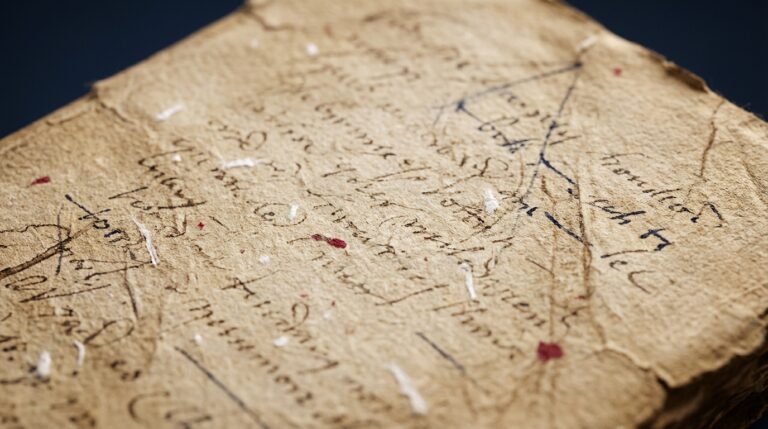
The focus keyword for the piece, bill of writes, is used as a guide to keep the discussion centered on authorship and documentary evidence. The article relies on Madison's June 1789 drafts, congressional records, and the official ratification transcript to show how historians reach their conclusions.
Quick answer: Who wrote the First Amendment? (bill of writes explained)
Quick pointer to the main primary repositories for this question
Use these sites to compare draft and final texts
Short answer: historians and documentary evidence identify James Madison as the drafter who formally introduced the amendments in June 1789 that are widely credited as the basis for the Bill of Rights. The primary draft that supports this conclusion is preserved in the Founders Online collections.
Madison brought proposed amendments to Congress, and lawmakers debated and edited them before the House and Senate agreed on twelve proposed amendments on September 25, 1789. Those twelve were sent to the states; ten were ratified and now appear together as the Bill of Rights.
The main primary repositories for the text and timeline are Founders Online for Madison’s drafts, the Library of Congress for Madison’s papers and related drafts, and the National Archives for the official Bill of Rights transcription and ratification record. For the June 1789 draft see the Founders Online copy.
What the phrase bill of writes means here and the First Amendment in context
In this article the phrase bill of writes is the focus keyword and shorthand for questions about who drafted the amendments that became the Bill of Rights. The question is treated as a documentary one: who wrote the proposals that led to the ratified text.

The First Amendment protects five basic freedoms: religion, speech, the press, assembly and petition. The text and common description of those protections are presented in the National Archives transcription of the Bill of Rights.
When historians ask who “wrote” the First Amendment they usually separate three steps: the initial drafting of proposals, congressional revision and approval, and state ratification. Each step is distinct and all are necessary to produce the final, legally operative text.
Primary evidence: Madison’s June 1789 drafts and his papers (bill of writes focus)
James Madison prepared and presented proposed amendments in June 1789; one principal item is dated June 8, 1789. That draft is widely cited as Madison’s working text for the amendments he introduced to Congress.
James Madison drafted the proposed amendments in June 1789 that are widely credited as the basis for the Bill of Rights; Congress revised the proposals and sent twelve to the states on September 25, 1789, and ten were ratified by December 15, 1791.
Madison’s drafts and his related correspondence are preserved in the Founders Online records and in Library of Congress collections, which include his notes and papers. Those collections let readers compare Madison’s wording and his stated reasons for proposing amendments.
Madison explained in correspondence and in legislative action that he proposed amendments to address concerns raised during ratification of the Constitution and to secure specific individual liberties. The drafts and his letters document both his wording and his rationale as he brought proposals to the House of Representatives.
How Congress debated and revised Madison’s proposals in 1789
After Madison introduced his proposed amendments, the House referred them to committee. Committees debated wording and sometimes combined or reordered clauses. The process was legislative and collaborative rather than a single-author publication.
On September 25, 1789, Congress approved a set of twelve proposed amendments and transmitted them to the states for ratification. That formal approval and transmission is part of the official archival record and establishes the congressional role in producing the text that states received.

Minutes, committee reports and the surviving drafts show that Madison’s proposals were the starting point, but that congressional debate and edits produced the final set of proposed amendments sent to the states. Those legislative records are preserved alongside the drafts and make clear how the text changed during committee and floor consideration.
From twelve proposals to ten ratified amendments: the ratification timeline
Congress transmitted twelve proposed amendments to the states; by December 15, 1791 ten of those were ratified and thereby became the Bill of Rights. The National Archives maintains the official transcription and ratification dates for the ten amendments now in the Constitution.

State ratifying conventions acted independently to accept or reject the proposed amendments, and their collective decisions finalized which items became law. The ten ratified amendments include the protection of religion, speech, press, assembly and petition as the First Amendment.
The ratification process is what turned the congressional proposals into binding constitutional text; no single person could make that transformation without state approval, so the final legal form is the product of both proposal and ratification.
Madison as central architect and the collaborative nature of drafting

Scholars generally credit James Madison as the central architect of the amendment proposals because he drafted the initial items and introduced them in the House. Explanatory summaries of the period place Madison at the center while noting the institutional contributions of Congress and the states.
At the same time, scholars emphasize that committee work, floor amendments and ratifying conventions shaped the final wording. The result was a mix of Madison’s initiative and the practical changes that arise in legislative drafting and state deliberations.
Modern constitutional histories note both facts: Madison’s drafts are the primary starting documents, and the final text is the product of a constitutional process that included congressional editing and state acceptance.
Common errors and pitfalls when claiming authorship
A common mistake is to assert that Madison is the sole author without acknowledging congressional revision and state ratification. That overstates individual authorship and overlooks the legislative steps that produced the ratified text.
Another frequent error is to conflate Madison’s June 1789 wording with the exact final phrasing found in the ratified amendments. Comparing the draft and the National Archives transcription shows where language was tightened, reordered or combined.
Stay informed about civic history and campaign updates
Check the cited primary documents directly to verify wording and dates rather than relying on uncited summaries.
To avoid misattribution, consult Madison’s draft in Founders Online, his papers at the Library of Congress, and the National Archives transcript of the Bill of Rights when making claims about the wording or authorship of specific lines.
How to check the sources yourself: practical steps
Search Founders Online for Madison’s June 8, 1789 draft by using search terms such as “Madison” plus “June 1789” and “amendments.” The site hosts transcriptions that let you read Madison’s proposed language directly.
The Library of Congress hosts the James Madison papers collection where you can find related drafts, notes and correspondence that illuminate his intentions. Use the LOC finding aids to narrow results to 1789 materials.
The National Archives provides the authoritative transcription of the Bill of Rights and the ratification timeline. Compare the transcription to Madison’s draft to see where Congress or later printers adjusted wording or punctuation.
Conclusion: what the evidence shows and where to read more
In short: the documentary record supports the conclusion that James Madison drafted and formally introduced the proposed amendments in June 1789; Congress revised those proposals and approved twelve amendments on September 25, 1789; and ten were ratified by December 15, 1791, forming the Bill of Rights.
For direct study, consult Founders Online for Madison’s June 1789 draft, the Library of Congress collections for Madison’s papers and related drafts, and the National Archives transcription for the official ratified text and dates. These repositories give the basis for the historical consensus while also letting readers examine details that historians still debate.
James Madison drafted and introduced the set of proposed amendments in June 1789 that served as the basis for the Bill of Rights, with later congressional revision and state ratification completing the process.
Congress debated, revised and approved the proposed amendments in 1789, but those proposals began with Madison's draft and required state ratification to become law.
Read Madison's June 1789 draft on Founders Online, consult Madison's papers at the Library of Congress, and see the official ratified text at the National Archives.
For readers interested in deeper context, modern constitutional histories and explanatory essays discuss how Madison's initiative combined with legislative and state action to produce the constitutional text we now read as the First Amendment.