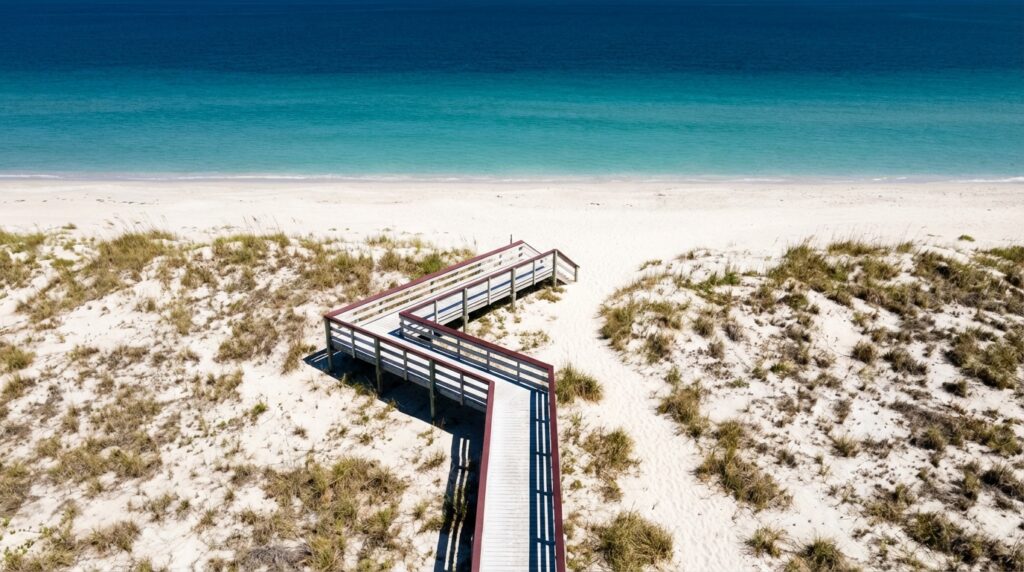
We focus on six family-friendly places across South Florida, highlight what makes each one suitable for children, and give practical checklists families can use before they leave home. The goal is neutral, step-by-step planning guidance that reduces surprises on the day of your visit.
family things to do in south florida: quick overview and how to use this guide
This guide focuses on planning family things to do in south florida by using official visitor pages as the primary source for practical details. Official visitor pages typically carry the latest hours, admission rules and notices that affect family visits.

Use the items below as a planning framework. Visit the Michael Carbonara homepage. Before you finalize any outing, open the attraction’s “Plan Your Visit” or “Visit” page to confirm hours, admissions and any temporary closures. These pages are the best place to find real-time notices and accessibility information.

Each section highlights a family-friendly site and lists the specific items to verify on its official visitor page. Keep a notepad or phone photo of confirmations such as parking instructions or program times so you can refer to them on the go.
Why official visitor pages matter for family planning
Official visitor pages publish practical details families need, such as hours, admission fees, parking options and accessibility notes. These fields are where sites post seasonal schedules and special event timing.
Examples of typical site information include ADA access statements, stroller guidance and service-animal rules. For many attractions, these pages also list recommended ages for exhibits and sensory-friendly program notes.
Some operational items change quickly and may not be visible on third-party sites. Lifeguard coverage at smaller beaches, current parking capacity during holidays and temporary exhibit closures are often shown only on the attraction’s live notices or by phone.
When a detail is time-sensitive, contact the site directly and record the date and time of the confirmation. That reduces uncertainty on arrival and helps plan around staffing or weather-related adjustments.
family things to do in south florida: hands-on learning at the Museum of Discovery and Science
The Museum of Discovery and Science in Fort Lauderdale offers hands-on, interactive exhibits that work well for family visits, and the museum posts hours, admission, parking and accessibility details on its official visitor page for planning purposes. Museum of Discovery and Science visit page
Why it works for families: MODS designs exhibits that let children touch, build and explore, which can keep different ages engaged during the same visit. Check the museum’s visitor page for recommended ages and any exhibit advisories before you go.

Stay connected with campaign updates and events
Check the museum's official visit page for daily hours and any temporary exhibit closures before you leave home.
On the MODS visitor page you will also find parking information, accessibility notes and guidance about membership or discount days. For additional details see the MODS visitor info or contact the museum directly at MODS contact. If you plan to visit on a holiday or weekend, confirm parking options in advance and consider arriving early to avoid peak crowds.
Sea life and rescue centers for kids: Loggerhead Marinelife Center and Gumbo Limbo Nature Center
Loggerhead Marinelife Center in Juno Beach runs sea-turtle exhibits and educational rescue programs; families can review fees, hours and parking details on the center’s official visitor pages before visiting. Loggerhead Marinelife Center visitor information
Gumbo Limbo Nature Center in Boca Raton features boardwalks, an aquarium and sea-turtle rehabilitation viewing, with family-focused visitor guidance available on its site. Gumbo Limbo visit page
What families see and learn at each site tends to differ by program. Loggerhead places emphasis on rescue education and sea-turtle displays, while Gumbo Limbo pairs coastal boardwalks with aquarium exhibits and rehabilitation viewing windows. Both sites recommend checking program schedules and any age recommendations on their visitor pages.
Visitor-page checklist for sea-turtle and aquarium visits: confirm admission fees, daily hours, whether rescue viewing has restrictions and nearest parking instructions. If a specific rescue talk or feeding is important to your plan, check the live schedule or call ahead to confirm.
family things to do in south florida: gardens and wildlife sanctuaries like Flamingo Gardens
Flamingo Gardens in Davie combines botanical gardens with a wildlife sanctuary and posts admission prices, accessibility notes and best-times guidance on its visitor pages to help families plan their visits. Flamingo Gardens visitor information
What Flamingo Gardens offers families is a mix of shaded walking paths, tram options and animal exhibits that can work for a range of ages. Look for tram schedules and recommended pacing on the site’s visit page.
Check each attraction's official "Plan Your Visit" or "Visit" page and, for time-sensitive items, call the site directly to record a confirmation.
On the Flamingo Gardens visitor page check for admission details, ADA notes and tram or walking options. If young children need frequent rest stops, verify the availability of shaded seating and restroom locations in advance.
Families with strollers or mobility concerns should note the difference between fully paved paths and natural walkways. The visitor page typically describes where trams operate and whether walking routes are suitable for strollers or wheelchairs.
Parks for paddling, trails and picnics: Oleta River State Park
Oleta River State Park near North Miami is known for family-friendly kayaking, trails and picnic areas, and the Florida State Parks site lists parking, permit and hours information to plan a visit. Oleta River State Park visitor information
Family activities at Oleta River include short kayak routes, easy bike trails and shaded picnic spots. Confirm whether boat or kayak rentals are available on the day you plan to visit, and review rules about launches on the park’s official page.
Permits and parking can be limited on busy weekends. If you need to rent kayaks or launch a private craft, check rental availability and launch rules before you go. Carry basic safety items and life jackets appropriate to the child’s size.
Note suitability by child age: younger children may be best on short tandem routes or on a supervised shoreline walk. The official park page usually lists recommended ages or rules for flotation devices and child supervision.
Everglades National Park: ranger programs, boardwalks and family planning
Everglades National Park offers ranger-led programs, boardwalks and family-oriented visitor centers across South Florida units; the National Park Service publishes unit-specific fees, seasonal access information and road or boat condition updates on its Plan Your Visit pages. Everglades National Park Plan Your Visit
Which Everglades units are family-friendly varies by access and facilities. Some units have short boardwalk loops and accessible visitor centers suited to families, while others require boat access and more planning. Check the NPS pages for unit details and program schedules.
Quick park alerts and program check before travel
Check the NPS Plan Your Visit pages for unit-specific updates
Seasonal access and program scheduling change with water levels and weather. Before you go, verify ranger talk times, boardwalk closures and whether any visitor center has limited services. The NPS Plan Your Visit pages are the official source for these notices.
Short boardwalk walks, ranger talks and easy observation points are often the best match for families. If you plan a boat or airboat trip, confirm operator permits and any recommended ages or safety briefings listed on the NPS pages.
Seasonality, weather and safety tips for family outings in South Florida
Park conditions and wildlife viewing windows typically differ between the wet season and the dry season, so consult site-specific seasonal guidance before planning wildlife-dependent outings. The dry season often concentrates wildlife near reliable water sources, while the wet season can change trail conditions and access.
Heat and storm risk are important considerations. On hot days plan for shade, frequent water breaks and shorter outdoor windows. For storms, check official pages for closure notices and possible delay or cancellation of ranger programs.
Water-safety reminders are essential for families. Confirm lifeguard coverage at any smaller beach or park before arrival. If lifeguard status is unclear on an official page, call ahead to avoid arriving expecting guarded water access.
Accessibility, parking and fees: exactly what to check before you go
Typical accessibility notes on visitor pages include ADA access routes, service-animal policies and details about sensory-friendly programming. If a family member uses a mobility aid, review the site’s route descriptions and contact the attraction to confirm current conditions.
Parking options differ by site. Some attractions have on-site lots, some use adjacent municipal lots and others limit vehicle access on busy days. The official visitor pages typically list parking fees, permit rules and alternate transit options.
Admission fees and discounts vary. Look for family or group rates, free days and whether memberships or local passes apply. Visitor pages will show the most current fee schedules and any required advance booking steps.
When in doubt about a detail that affects access or safety, call the number listed on the official page and note who you spoke with and when. That provides a record if information changes before your visit.
Decision checklist: how to pick the right South Florida outing for your family
Match activity to ages and interests. For active toddlers choose short, shaded walks and interactive exhibits. For older children consider paddling, ranger programs or hands-on science displays.
Assess distance and travel time. A longer drive may be worth it for a full-day plan, but for short attention spans prioritize nearby attractions with clear restroom and shade options.
Balance cost and amenities. If fees or parking are a concern, look for discounted days or combine a lower-cost outdoor park with a brief indoor stop for air conditioning or a meal.
Timing matters. Plan arrival to avoid the hottest part of the day during summer months and aim for midweek visits where possible to reduce crowds. Always verify details on the attraction’s official visitor page before final plans.
Common planning mistakes families make and how to avoid them
A common error is assuming posted hours on third-party sites match the attraction’s official hours. Always check the attraction’s visitor page for the current schedule before you leave.
Another frequent mistake is underestimating parking demand on peak days. If driving to a popular spot, confirm parking arrangements or reserve permits if the official page indicates limited spaces.
Underpreparing for heat or storms is avoidable. Pack sun protection, refillable water and quick-dry clothing. If a site has water access, verify lifeguard coverage and flotation rules on the official page before entering the water.
Sample half-day and full-day family itineraries across South Florida
Half-day near Fort Lauderdale: Start at the Museum of Discovery and Science for a morning interactive session, check the museum’s visit page for ticketing and parking, then finish with a shaded picnic at a nearby park. If the museum lists timed-entry or limited parking on its visitor page, adjust arrival accordingly. Also see the local listing on Visit Lauderdale for more venue details. MODS visit page See our events page for local updates.

Full-day route combining indoor and outdoor stops: Morning at Flamingo Gardens to stroll shaded paths and see animals, check the site’s visitor page for tram schedules and admission, then head to Oleta River State Park in the afternoon for a short family paddle or trail time. Verify parking and rental availability on each official page before you leave. Flamingo Gardens visit page
Alternate for hot or rainy days: Pair a museum visit with a nearby indoor lunch and a shorter park stop in late afternoon. On days with high heat check each site’s visitor page for indoor program availability or cooling suggestions.
Snack and rest recommendations: Carry portable snacks, refillable water and a small first-aid kit. Confirm restroom locations and stroller-friendly routes on the official pages so you can plan short breaks where they are available.
When to contact sites directly and the exact questions to ask
Contact a site directly when lifeguard coverage is unclear, when a specific program timing matters, or when parking appears limited on busy days. Use the phone or email listed on the attraction’s official visitor page for confirmations.
Sample questions to ask staff: “Do you have lifeguards on duty today?”, “Is the sea-turtle rescue viewing scheduled for this date?”, “Are there tram runs or shuttle services operating this week?” Record the date and the staff member’s name when possible.
When a detail is mission-critical to your plan, follow up with a second confirmation on the day of travel. Official pages are the primary source, but direct contact often clarifies temporary staffing or weather-related changes.
Conclusion: quick takeaways for planning family outings in South Florida
Top three reminders: check each attraction’s official visitor page for hours and fees, confirm seasonal or weather-related access before you go, and verify accessibility and parking details when they matter to your group.
The six primary sources used in this guide include the official visit pages for the Museum of Discovery and Science, Loggerhead Marinelife Center, Gumbo Limbo Nature Center, Flamingo Gardens, Everglades National Park and Oleta River State Park. Use those pages for the most current updates. See related posts on the news page.
For any last-minute uncertainty call the attraction. Official pages provide the baseline; a quick call can often confirm temporary conditions or program times.
Some attractions use timed-entry or have limited parking; check the attraction's official visitor page for ticketing and reservation requirements and follow its instructions.
Safety depends on current conditions and staffing; verify lifeguard coverage and local advisories on the official visitor page and pack appropriate flotation and shade gear.
Most sites list ADA access, stroller and service-animal policies on their official visitor pages; contact the site directly if you need specific accommodations.
This guide is intended for planning and informational use and does not replace the official sites' notices. Always confirm details on an attraction's own visit page before travel.
References
- https://michaelcarbonara.com/contact/
- https://michaelcarbonara.com/
- https://mods.org/visit/
- https://mods.org/visitor-info/
- https://mods.org/contact-us/
- https://marinelife.org/visit/
- https://www.gumbolimbo.org/visit/
- https://www.flamingogardens.org/visit/
- https://www.floridastateparks.org/parks-and-trails/oleta-river-state-park
- https://www.nps.gov/ever/planyourvisit/index.htm
- https://www.visitlauderdale.com/listing/museum-of-discovery-%26-science-%26-autonation-imax/
- https://michaelcarbonara.com/events/
- https://michaelcarbonara.com/news/