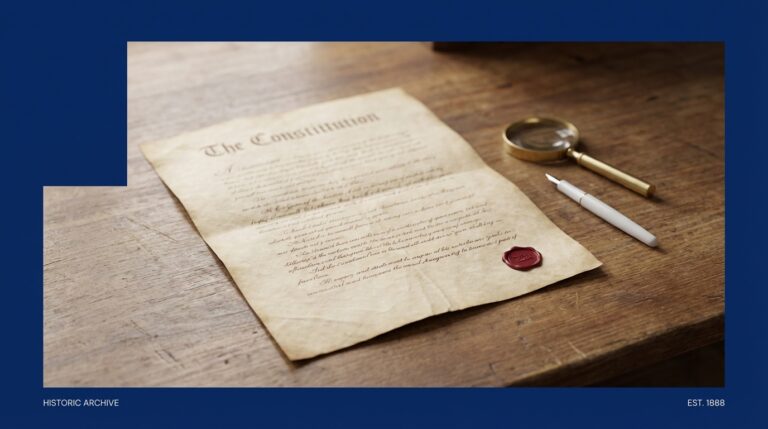
The guide is written for voters, local residents, journalists, and students who want a clear, sourced map of House procedure and tips for tracking a bill's status in real time.
how a bill becomes law House: Quick overview
The phrase how a bill becomes law House refers to the specific sequence the U.S. House of Representatives follows when it starts or advances legislation. According to the Clerk of the House, the House version of the process begins when a member introduces a bill, assigns a bill number, and refers that text to one or more committees for review Clerk of the House legislative process.
Committees and floor scheduling are the main gatekeepers in the House. Committees hold hearings and mark up bills, and leadership plus the Rules Committee usually determine if and under what terms a reported bill reaches the floor Congress.gov legislative process guide.
Committee markup and reporting, followed by House leadership scheduling and the Rules Committee's decision on debate and amendment terms, are the main determinants of whether a bill advances to a final House vote.
For readers who want to follow an item closely, public trackers and official records provide status labels and timelines that show each action as it is recorded by clerks and trackers GovTrack bill guide.
Key steps in how a bill becomes law House
When a member introduces a measure, that member becomes its sponsor and the text receives a bill number. The House Clerk records this introduction, and Congress.gov mirrors those entries for public tracking Clerk of the House legislative process. Introduction to the legislative process (CRS).
After introduction the formal next step is referral to committee. A bill can be referred to a single committee or to multiple committees, and those referrals are the official record that determines where hearings and markup will occur Congress.gov legislative process guide.
Public tracking services show the same sequence of sponsor, bill number, and committee referral so readers can follow by bill number or sponsor name. These trackers help make the formal sequence visible and searchable in near real time Congress.gov help on tracking legislation.
Committees and markup: Where most change happens
Committees are where most substantive change to a House bill happens. They hold hearings to collect information and then hold markup sessions where members propose and vote on amendments before deciding whether to report the measure to the full House Congress.gov legislative process guide. Committee markup process (CRS).
Join Michael Carbonara's updates and volunteer list
The committee report and any published amendments are the primary documents reporters and voters should consult for substantive changes.
A committee report officially accompanies a bill that is sent up for floor consideration. In practice many bills do not leave committee; reporting a measure is an important gatekeeping step but does not guarantee floor scheduling GovTrack bill guide. Markup explainer.
Subcommittees often handle early review and then recommend text to full committees for markup. Where a bill goes in committee and how chairs manage markup can determine whether the measure is ready for a rules resolution and floor debate Congress.gov legislative process guide.
Rules, scheduling, and who controls the floor

House Majority leadership plays the practical role of deciding when a reported bill gets a floor slot. That scheduling power shapes what measures the chamber addresses in a given calendar week Brookings analysis of the House Rules Committee.
The House Rules Committee typically sets the terms for debate, including how long members may speak and which amendments can be offered. For major bills the Rules Committee issues a special rules report that defines amendment scope and time allocation Congress.gov legislative process guide.
Different rules alter amendment opportunities: open rules permit more amendments, while closed or structured rules limit amendment offers and focus debate. These choices directly affect how much revision happens on the floor and which members can shape the final text Brookings analysis of the House Rules Committee.
Floor consideration in the House: debate, amendments, and voting
On the House floor members debate the bill under the terms set by the rule, offer allowable amendments, and then vote. Passage in the House requires a simple majority of those voting, after which the text moves toward the Senate or into a conference if versions differ Clerk of the House legislative process.
Votes on the House floor include voice votes, division votes, and recorded roll call votes. Roll call records and vote totals are published as part of the official record and appear in public trackers used by reporters and researchers GovTrack bill guide.
When the House and Senate pass different texts, the chambers can resolve differences through a conference committee or by sending revised language back and forth. Those options shape the final enrolled bill that is presented to the President Clerk of the House legislative process.
After the House passes a bill: Senate transmission and enrollment
After the House votes to pass a bill the official next step is transmission of the House-passed text to the Senate. The Senate then follows its own procedures to consider, amend, or pass the measure, and the status is tracked in the House and Senate records GovTrack bill guide.
If the two chambers approve different versions, a conference committee or negotiated exchanges may be used to resolve differences before an enrolled bill is prepared for presidential presentation Clerk of the House legislative process.

Enrolled refers to the final, official copy of a bill that has passed both chambers in identical form and is ready to be presented to the President. Enrollment and presentation are the final technical steps before potential enactment GovTrack bill guide.
Readers looking for the latest status after House passage should check Congress.gov and the House Clerk record for the formal transmission entry and any subsequent Senate actions Congress.gov help on tracking legislation.
Special procedures that alter the usual path in the House
Some measures follow alternate routes that bypass parts of the standard committee-to-floor sequence. Suspension of the rules, discharge petitions, and privileged motions are examples of procedural options used in specific strategic circumstances Brookings analysis of the House Rules Committee.
Quick checklist for recognizing when a bill is using an alternate route
Use with official calendar entries
Suspension of the rules is often used to fast-track noncontroversial items with limited debate and no floor amendments, while discharge petitions attempt to force a committee-reported bill to the floor by collecting signatures; both are conditional tools that succeed only under particular circumstances Congress.gov legislative process guide.
Privileged measures and expedited calendars can change timing by law or chamber precedent. These options are less common and typically reserved for urgent or special categories of legislation Brookings analysis of the House Rules Committee.
How official status labels work and what they mean
Congress.gov and the House Clerk use standard status labels such as referred, reported, passed, and enrolled to show a bill’s official stage. These labels are the authoritative shorthand for where a bill sits in the process Congress.gov help on tracking legislation.
Reported means a committee has filed its report and sent the bill to the House for possible floor consideration, but it does not mean the bill has passed the House or that it will reach the floor. Reported is an important, but not final, procedural milestone GovTrack bill guide.
Enrolled is the final label applied after both chambers have approved identical text and that final copy is prepared for presentation to the President. Watching these labels on primary sites helps readers avoid common confusion about a measure’s actual progress Congress.gov help on tracking legislation.
Practical tracking: using Congress.gov, the Clerk, and public trackers
To follow a bill, search by bill number or sponsor on Congress.gov. The bill page shows chronological actions, referrals, committee reports, and links to text versions that let readers track each formal step Congress.gov help on tracking legislation. For background on the author, see the About page.

The House Clerk site provides procedural summaries and official entries that may appear before some public trackers update. For the most authoritative action timestamps, check the Clerk’s entries on introduction and transmission Clerk of the House legislative process.
GovTrack and similar public trackers summarize actions, provide sponsor histories, and display roll call votes in user-friendly formats. They are useful companions to Congress.gov because they often present filtering and alert options that help readers monitor movement GovTrack bill guide.
How leaders and committees decide which bills advance
Leaders weigh political and procedural criteria when deciding whether to schedule a bill. Majority caucus priorities, committee chair support, and the expected vote margin are among the practical factors that influence floor scheduling Congress.gov legislative process guide.
Committee chairs influence timing by choosing when to schedule hearings and markups; a chair’s decision not to prioritize a bill can mean it remains bottled up in committee. Observing committee calendars and press notices gives early signals about likely movement Brookings analysis of the House Rules Committee.
Rules and time allocation are procedural levers. A rules resolution that limits amendments and sets a tight debate clock can move complex text quickly, while open amendment procedures can make floor outcomes more unpredictable Congress.gov legislative process guide.
Common mistakes and misconceptions about the House process
A frequent mistake is treating reported as equivalent to passed. A reported bill has cleared committee consideration but may never receive a floor vote; tracking labels and dates clarify the distinction GovTrack bill guide.
Another misconception is assuming that committee referral guarantees action. Many introduced bills are referred and then not scheduled for markup or a report, so referral alone is not a reliable predictor of final outcome Congress.gov legislative process guide.
Readers also misread tracker terminology when status updates are abbreviated. When in doubt, consult the full chronology and the Clerk’s official entries to confirm whether an action signals genuine forward movement or a routine procedural note Clerk of the House legislative process.
Illustrative scenarios: typical bill pathways in the House
One common path is a noncontroversial bill placed on the suspension calendar. Those measures are scheduled with limited debate, no floor amendments, and a two-thirds threshold for passage, allowing rapid consideration of broadly supported text Congress.gov legislative process guide.
A second, longer path involves committee negotiation, multiple markups, and a rules resolution before floor debate. Complex policy bills often follow this route as committees work to refine technical language and gather expert testimony GovTrack bill guide.

A third scenario is a bill that stalls in committee. Sponsors may withdraw, refile, or attempt procedural alternatives such as a discharge petition to force floor consideration, but those options carry practical hurdles and uncertain outcomes Brookings analysis of the House Rules Committee.
Using this knowledge: what voters and reporters can watch for
Key signals of momentum include a scheduled committee markup, a filed committee report, a rules report, and a floor vote. These steps are observable on primary sources and indicate rising chances of action in sequence Congress.gov help on tracking legislation.
Primary sources to cite are Congress.gov for the bill page, the House Clerk for official entries, and committee webpages for markup schedules and report texts. Citing these primary entries helps keep reporting accurate and verifiable Clerk of the House legislative process. See the issues page.
When seeking policy detail, check committee reports and roll call records in the official record. Those documents provide the clearest view of substantive changes and member positions that underlie any floor outcome GovTrack bill guide.
Conclusion: next steps and where to find live updates
The House role in making law centers on member introduction, committee review and markup, leadership scheduling, and floor action followed by transmission to the Senate. Committees and the Rules Committee are key gatekeepers of whether and how a bill moves Clerk of the House legislative process.
For live updates use Congress.gov, the House Clerk site, and public trackers like GovTrack. These primary resources show official labels, chronological actions, and vote records that tell the story of a bill as it moves through the House and beyond Congress.gov help on tracking legislation. See related posts on the news page.
A member introduces the bill, it receives a bill number, and it is formally referred to one or more committees for review.
No, a committee report indicates a committee has recommended the bill, but leadership and the Rules Committee still decide floor scheduling and terms.
Check the bill page on Congress.gov and the House Clerk records for authoritative status labels and chronological actions.
Staying grounded in official entries on Congress.gov and the House Clerk site helps reporters and voters avoid common misconceptions about where a bill truly stands.
References
- https://clerk.house.gov/legislative-process
- https://www.congress.gov/legislative-process
- https://www.govtrack.us/congress/bills
- https://www.congress.gov/help/track-bills
- https://www.brookings.edu/articles/the-house-rules-committee-and-floor-procedure
- https://michaelcarbonara.com/contact/
- https://www.congress.gov/crs-product/RL30244
- https://www.everycrsreport.com/files/2025-03-10_R42843_87e7b3eaabab690590900e17f535d3340863e8c8.html
- https://www.rstreet.org/wp-content/uploads/2019/08/House-Committee-Markup-Explainer.pdf
- https://michaelcarbonara.com/news/
- https://michaelcarbonara.com/issues/
- https://michaelcarbonara.com/about/