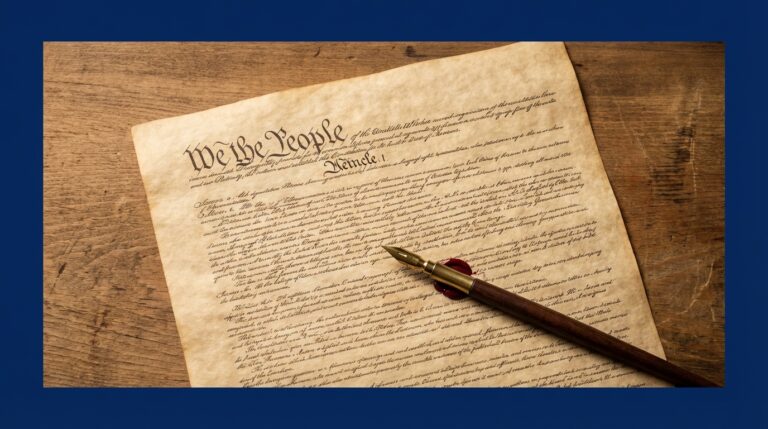
The focus is on the sequence of chamber actions that lead to identical text, enrollment, and presentment to the President, and on how to verify the status of a specific bill using public records and procedural guides. The explanation draws on public materials from Congress.gov, the Senate, the House clerk, and CRS.
how is a bill passed into law, quick answer
A bill must be passed in identical form by both the House of Representatives and the Senate before it can be enrolled and presented to the President, so any Senate amendment to a House bill will normally require further House action unless the House concurs with the Senate changes, as explained in a plain procedural overview on Congress.gov How Our Laws Are Made
When the Senate changes the text of a House bill the usual result is that the House must take another vote unless it agrees to the Senate text, because both chambers must agree to identical language before enrollment proceeds, a point set out in the Senate briefing on chamber practice Senate briefing on how bills become laws

how is a bill passed into law, legal and constitutional context
The Constitution establishes presentment and veto rules that make identical passage by both chambers necessary, and annotated explanations of those clauses help explain why a single enrolled text matters for the President’s consideration, according to the Constitution Annotated The Constitution Annotated, presentment and veto
In practice the requirement for identical text is implemented through chamber processes, including how amendments are transmitted, how messages are sent between chambers, and how enrolled bills are prepared by clerks and presiding officers, as described in the Congress.gov procedural overview How Our Laws Are Made
The clerks and parliamentarians in each chamber have developed rules and precedents to translate the constitutional requirement into daily procedure, and understanding those institutional roles helps explain why identical passage is enforced before enrollment and presentment Senate briefing on how bills become laws

Because identical text is required, procedural choices earlier in the process, such as whether the Senate frames its action as an amendment or a substitute, shape whether the House must take immediate further action, a practical point set out in official procedural guides and analyses How Our Laws Are Made
When the Senate amends a House bill: what typically happens
The Senate has several common options when it acts on a bill that originated in the House: it can adopt specific amendments, send formal amendment text back to the House, request that the House recede and concur, or propose a conference to work out differences, and the Senate briefing describes these options and their procedural consequences Senate briefing on how bills become laws several common options
Each of those choices has a distinct effect on whether the bill returns to the House and in what form, because the form of the Senate action determines whether the House can accept the changes by concurrence or must vote again on a differing text, as explained in the House clerk’s procedural guide House legislative process, clerk of the House
Not always. A Senate amendment to a House bill normally means the House must act again unless it concurs, because both chambers must agree on identical text before enrollment and presentment to the President.
A Senate amendment in the nature of a substitute can replace substantial portions of the House text and often triggers a full House response, while an amendment that tweaks a line or two may be handled by a motion to concur if the House chooses, a distinction emphasized in modern procedural analyses modern procedural analyses Senate briefing on how bills become laws
When a Senate amendment is transmitted as formal amendment text the House clerk receives a message and the House can decide whether to concur, disagree, or ask for a conference, each path producing different next steps and potential returns to the originating chamber House legislative process, clerk of the House
Decision paths, concurrence, disagreement, or conference

If the House concurs with Senate amendments the two chambers will have identical text and the bill can move to enrollment without further negotiation, as the clerk and chamber rules make plain House legislative process, clerk of the House
A House vote to disagree or to propose a conference sends the matter into negotiation and often leads to appointment of conferees who try to reconcile differences, an option used when chambers cannot quickly agree by simple concurrence Senate briefing on how bills become laws
The precise wording and procedural form of the Senate message affects which decision path is available, because certain forms permit a motion to concur and others require formal disagreement or a conference request, as described in clerk and Senate materials House legislative process, clerk of the House
Conference committees and reconciling differences
When substantive differences remain a conference committee is the standard mechanism to negotiate a single text, with conferees appointed by each chamber to reach agreement, and this modern practice is summarized in CRS analysis CRS report on conference committees
A conference report is the single text produced by the conferees that both chambers must approve without further amendment if enrollment is to proceed, a procedural requirement explained in contemporary procedural literature CRS report on conference committees
Conference committees are chosen because they can negotiate complex tradeoffs and produce a compromise text, though members sometimes use informal negotiations outside a formal conference and then submit a report reflecting that agreement, a pattern noted in both CRS and independent procedural reviews Brookings discussion of resolving different versions
After a conference report is filed each chamber votes on the identical report and, if both approve, the enrolled bill can be signed by presiding officers and delivered to the President, a sequence described in legislative procedure materials How Our Laws Are Made
Enrollment, presentment, and presidential action
Enrollment is the formal preparation of the final identical text following passage in both chambers, and the enrolled bill is signed by the presiding officers before transmission to the President, a step traced in constitutional annotation and procedural overviews The Constitution Annotated, presentment and veto Enactment of a law

Once the President receives an enrolled bill the options are to sign it, veto it, or allow it to become law under the timing rules set out in the Constitution, and a veto can be overridden only by a two-thirds vote in both chambers, a constitutional rule explained in the official annotation The Constitution Annotated, presentment and veto
Public records at each stage, including enrollment certifications and the official messages that accompany delivery, document when a bill has reached the President and whether it was enacted or vetoed, elements summarized in the public legislative process guide How Our Laws Are Made
How to check whether a bill must return: tracking and primary records
To decide whether a specific bill must return to the House consult the legislative status and amendment texts on Congress.gov and look for actions labeled as Senate amendments, House concurrence, or conference requests, which are the primary tracking entries for this question How Our Laws Are Made
Chamber messages, the amendment text, and status entries are public and searchable on Congress.gov, and reading those entries alongside clerk or parliamentarian explanations will show whether the Senate action requires immediate House response or can be treated as a request to concur Brookings article on different versions
Stepwise checks to determine whether a Senate action requires House response
Start with the status entry on Congress.gov
When in doubt consult primary documents, including the official chamber message accompanying an amendment and the amendment text itself, and consider CRS or clerk/parliamentarian explanations for technical distinctions of form and posture CRS report on conference committees
Common misconceptions and procedural pitfalls
A bill does not become law simply because one chamber passes a version; it must be passed in identical form by both chambers and then presented to the President for signature or veto, a basic point often missed in casual reporting How Our Laws Are Made
Confusing an amendment in the nature of a substitute with a minor technical amendment can lead to incorrect conclusions about whether the House must vote again, because the formal label and text determine the available procedural responses, a nuance the House clerk’s materials highlight House legislative process, clerk of the House
Practical examples and scenarios to make it concrete
Scenario A, minor technical amendment: if the Senate changes a comma or corrects a cross-reference the House can often adopt the change by concurrence and send identical text to enrollment, a routine outcome when edits are limited and noncontroversial Senate briefing on how bills become laws
Scenario B, substitute amendment: if the Senate substitutes a new text that alters policy or structure the House will usually need to consider whether to concur, disagree, or request a conference because the two versions are not identical, a procedural distinction explained in clerk and Senate materials House legislative process, clerk of the House
Scenario C, conference used in practice: when substantive differences remain the chambers appoint conferees to negotiate a single report that both must approve, and public CRS analysis describes how a conference report becomes the final text for enrollment CRS report on conference committees
Key takeaways and next steps for readers
Restate the core point: both chambers must pass identical text before a bill can be enrolled and sent to the President, so Senate amendments to a House bill commonly require House action unless the House concurs with the changes, a practical rule summarized in official guides How Our Laws Are Made
Want to follow updates and get involved?
If you want to confirm the status of a specific bill, check the status entries and amendment texts on Congress.gov and consult clerk or CRS explanations for procedural context.
Three quick next steps, in order: look up the bill on Congress.gov, read the Senate amendment text and chamber message, and consult the clerk or CRS notes to understand the form of the action and whether the House must respond Brookings overview
No. A Senate amendment means the two chambers do not yet have identical text, but whether the House must act depends on the form of the Senate action and whether the House concurs.
A conference committee is a small group of members from both chambers appointed to reconcile differences and produce a single text that both chambers must approve without further amendment.
Use Congress.gov to read status entries, amendment text, and chamber messages, and consult clerk or CRS materials for procedural interpretation.
References
- https://www.congress.gov/legislative-process/how-our-laws-are-made
- https://www.senate.gov/legislative/common/briefing/How-Bills-Became-Laws.htm
- https://michaelcarbonara.com/contact/
- https://michaelcarbonara.com/issue/constitutional-rights/
- https://constitution.congress.gov/constitution-annotation/article-1/section-7/
- https://clerk.house.gov/legislative-process
- https://www.congress.gov/crs-product/R41003
- https://www.congress.gov/crs-product/98-853
- https://crsreports.congress.gov/product/pdf/IF/IF11807
- https://www.brookings.edu/articles/what-happens-when-the-house-and-senate-pass-different-versions-of-a-bill/
- https://www.congress.gov/help/learn-about-the-legislative-process/enactment-of-a-law
- https://michaelcarbonara.com/about/
- https://michaelcarbonara.com/news/