Michael Carbonara’s campaign materials emphasize community and service as values; readers who want civic context can consult neutral sources and public preparedness guidance for practical neighbor level steps.
What the golden rule means for new neighbors near me
The golden rule for neighbors is simple in wording and practical in effect: treat neighbors as you wish to be treated. In a neighborhood context this means offering respect, basic helpfulness, and clear communication about expectations and privacy.
Systematic reviews of neighborhood social cohesion link polite, consistent neighbor behaviors to better community well being, giving a research basis for this simple rule Neighborhood social cohesion and health
Federal preparedness guidance also highlights neighbor level actions, such as checklists and simple welcome steps, as useful low cost measures that build local resilience during emergencies, making the golden rule a civic as well as social practice. See federal planning guidance and some local preparedness resources.

Why simple neighborly acts matter for community health and safety
Simple neighborly acts support safety by making practical information and help available quickly when it is needed. Public preparedness guidance encourages neighbors to check on one another, share information, and coordinate basic plans to reduce harm in an emergency Neighbors Helping Neighbors
Beyond emergency response, public health authorities link social connectedness and strong local ties to better mental health and higher levels of community trust. Communities with more connections often report lower feelings of isolation and better informal support networks Social Connectedness and Mental Health

At the same time, peer reviewed reviews caution that associations vary by context and measurement, so welcoming practices should be adapted to local norms and needs rather than applied as a rigid formula.
A simple golden-rule framework to welcome new neighbors
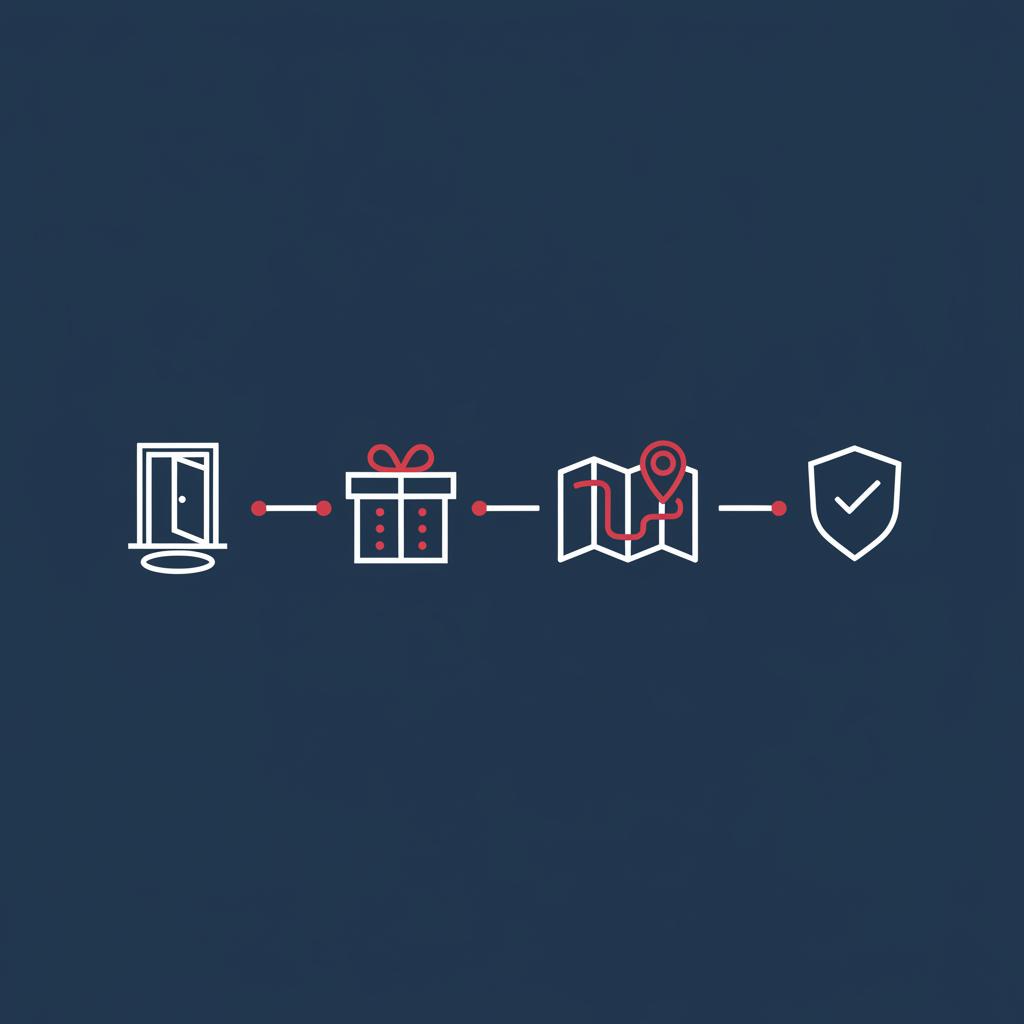
A practical way to apply the golden rule is a four-step framework: greet, give, guide, guard. The steps are meant to be short, low cost and easy to repeat.
The greet step is an initial hello and brief introduction. The give step is a small welcome gesture or useful neighborhood information. The guide step provides practical details such as trash days, local contacts, and nearby services. The guard step asks about and respects privacy and preferences so the welcome does not become intrusive.
Community how to guides and extension resources outline similar sequences of actions and suggest short scripts and checklists that make these steps low stress and repeatable Welcoming New Neighbors: Checklist and Conversation Starters. State toolkits also offer facilitator guides and templates Toolkit: 12 Ways to Prepare: Plan with Neighbors. See related posts on the site here.
A printable checklist to guide a brief, respectful welcome visit
Keep items small and optional
When you adopt the framework, remember to adapt. Cultural norms, building types, and household situations change how a greeting is received. Etiquette guidance recommends pairing welcome gestures with early, respectful boundary setting to reduce misunderstandings.
Step-by-step checklist and sample scripts for first contact

What to bring or leave: a one-page info sheet showing trash and recycling days, local transit and school info, nearby pharmacies and urgent care, and a clear contact card with a phone or email. Keep any gift simple, low cost, and nonperishable.
Sample door knock script: “Hi, I live next door. Welcome to the neighborhood. My name is [Name]. If you need any basic details about trash days or local services I can share a one-page info sheet. Here is my card. No pressure, just welcome.”
Sample leave-behind note: “Welcome to the block. I’m [Name]. I left an info sheet with local times and contacts and my cell if you want to reach out. I’m happy to help with small questions as you settle in. No need to reply unless you want to.”
These short scripts are intentionally optional and low pressure. They offer a clear offer of help while leaving space for privacy and choice, which reduces risk of overstepping.
Handling boundaries, common pitfalls, and respectful follow up
Common mistakes include presuming availability, overwhelming a household with repeated visits, or giving items that create waste. Etiquette and health guidance suggest asking early about preferences and explicitly offering an opt out to avoid these pitfalls How to Be a Good Neighbor
When someone prefers limited contact, respect their choice and record a simple note for yourself about any boundaries they state, such as best contact method or times when visits are unwelcome. A short private note helps neighbors avoid repeated unwanted contact.
Join the campaign for community engagement
Consult the step-by-step checklist and sample scripts above to plan a brief, respectful welcome that includes an opt out and a clear follow up plan.
If you have safety or welfare concerns for a neighbor, follow local procedures and consider contacting community resources or emergency services. Use discretion, document observations factually, and avoid speculative claims about someone’s situation.
Practical neighborhood scenarios and real world examples
Vignette: family with young children. A neighbor drops off a one page sheet with school start times and a small welcome snack, leaves a contact card, and follows up with a quick text a few days later offering to share a recommended pediatrician. This approach gives useful information, respects busy schedules, and keeps the contact optional.
Vignette: older adult who moved recently. A volunteer neighbor offers to walk through neighborhood access points, points out low-step entrances and benches, and leaves printed transit options. The neighbor asks if the resident wants periodic check ins and records the response to avoid repeats.
Low cost welcome items can include neighborhood maps, a list of useful phone numbers, or a small jar of nonperishable treat. The exact items should fit local norms and the recipient’s likely needs rather than being elaborate or intrusive.
Across scenarios, the common elements are clear introduction, a useful information packet, a concise offer of help, and an immediate question about communication preferences. These elements match common community how to resources and reduce the chance of misunderstandings How to Welcome New Neighbors: Simple Ways to Make a Good First Impression
Summary: simple, tested actions to practice the golden rule with neighbors
Key takeaways: greet with a brief introduction, give a small useful item or information sheet, guide with practical neighborhood details, and guard by asking about preferences and privacy. These actions are low cost and repeatable.
For readers who want primary guidance, federal preparedness materials recommend neighbor level checklists to improve local resilience and public health guidance highlights social connectedness as protective for mental health Neighbors Helping Neighbors
Treat neighbors as you wish to be treated, combining a brief greeting, a useful information offer, and an early, respectful question about boundaries.
Small, consistent acts of courtesy build trust and help communities respond more effectively to everyday needs and emergencies.
Introduce yourself briefly, offer a one page neighborhood info sheet and a contact card, and keep the interaction optional to respect privacy.
Respect their preference, record it privately, and limit contact to occasional helpful notes or calls if appropriate.
Look to federal preparedness guidance and university extension resources for printable checklists and tested conversation starters.
If you need formal guidance for emergencies, check federal preparedness materials and local public health resources for detailed neighbor level recommendations.
References
- https://www.sciencedirect.com/science/article/pii/S0277953621001234
- https://michaelcarbonara.com/contact/
- https://www.ready.gov/neighbor
- https://www.cdc.gov/mentalhealth/learn/social-connectedness.htm
- https://extension.umn.edu/welcoming-new-neighbors
- https://michaelcarbonara.com/strength-and-security/
- https://www.ready.gov/plan
- https://oklahoma.gov/oem/news/newsroom/january-toolkit11.html
- https://michaelcarbonara.com/news/
- https://www.health.harvard.edu/blog/how-to-be-a-good-neighbor-20231120
- https://nextdoor.com/newsroom/how-to-welcome-new-neighbors/
- https://www.neighborsready.org/