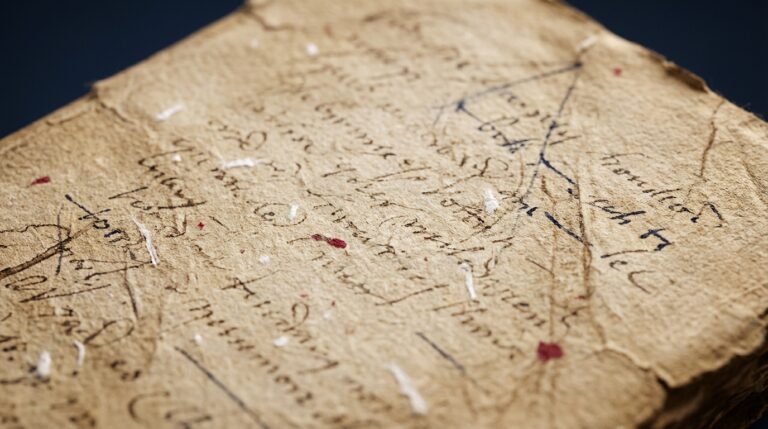
The goal is to help readers follow the evidence. Citations point to primary texts and major modern syntheses so you can verify claims and read the documents directly.
Quick answer: the origins of the Bill of Rights, explained
The origins of the bill of rights reflect many sources working over centuries, not one single author or moment. Modern syntheses describe a mix of English constitutional practice, Enlightenment theory, colonial documents, and the political bargaining of 1787 to 1791, and readers can find detailed discussion in scholarly work on the subject Akhil Reed Amar’s study.
The practical result was that James Madison drafted a set of proposed amendments in 1789 and Congress transmitted a package to the states, of which ten were ratified and certified in 1791 National Archives Bill of Rights transcript. The National Archives also maintains a general overview of the Bill of Rights The Bill of Rights.
English roots: Magna Carta and the English Bill of Rights (1689)
Long English texts supplied concepts later used in America. Magna Carta introduced limits on arbitrary power and procedural protections that later legal traditions cited as antecedents, and the language of those protections circulated in legal thought over centuries Magna Carta (British Library).
Join the campaign for updates
The English Bill of Rights of 1689 gave more concrete precedents for limiting royal power, protecting the right to petition, and reinforcing parliamentary supremacy. Those ideas reached colonial readers through printed collections and legal commentary and shaped arguments in colonial assemblies and courts English Bill of Rights (Avalon Project).
These English sources did not map line for line into the federal amendments, but they established durable principles about the limits of government and the role of representative institutions that fed American debates.
Colonial and state declarations: the Virginia model and close precedents

Colonial and state declarations gave framers nearer-term language and models. The Virginia Declaration of Rights is among the clearest examples; it framed protections for trial by jury, freedom of the press, and other civil safeguards that later resonated in federal proposals Virginia Declaration of Rights (Avalon Project).
George Mason and other Virginians drafted the state declaration in 1776 to guide state government and to assert principles they argued were essential for liberty. Ratifying conventions and delegates cited state documents during constitutional debates, showing how state practice shaped national proposals. See our constitutional rights hub for related posts and context.
Other state constitutions and declarations offered additional wording and practice that framers could consult, creating an American layer of precedent that stood between English roots and federal drafting.

Intellectual background: Enlightenment thinkers and legal commentators
Writers such as John Locke supplied natural rights language that entered American political vocabulary and informed how some leaders explained the purpose of rights. These arguments contributed concepts of inherent individual rights and consent of the governed that appeared in American rhetoric and documents.
The Bill of Rights grew from English constitutional precedents, Enlightenment political thought, colonial and state declarations such as the Virginia Declaration of Rights, and the amendment drafting and ratification process led by James Madison between 1789 and 1791.
At the same time, commentators like William Blackstone presented common law frameworks that linked rights to legal procedures and established practice. Modern scholarly work treats these intellectual influences as important but debated, noting that philosophy and legal tradition combined in different ways across individual clauses Akhil Reed Amar’s study.
Political context: ratification debates and the demand for explicit protections
After the 1787 Constitution circulated, critics argued it lacked explicit protections for certain civil liberties. State ratifying conventions pressed for clearer limitations, and Anti-Federalist voices argued that an absence of specified rights risked government overreach.
Those political pressures helped shape the decision to propose amendments. Congress responded to the calls from state conventions and to the practical need to secure ratification by considering and later adopting a set of amendments for submission to the states Founders Online documents. The National Archives also describes how the amendments were created How Did It Happen?.
The process combined argument, negotiation, and institutional response rather than a single decisive choice, producing a package intended to address the most widely cited concerns of the ratifying debates.
Drafting and adoption: Madison’s 1789 amendments and the path to 1791
James Madison took the lead in 1789 by drafting and proposing amendments to the new Constitution. He drew on state declarations and existing practice as he wrote proposals intended to respond to critics while fitting within the new federal framework Founders Online documents.

Congress debated Madison’s drafts and made textual revisions before sending a group of proposed amendments to the states later in 1789. Ten of those amendments were ratified by the states and were certified as the Bill of Rights by December 15, 1791 National Archives Bill of Rights transcript.
Readers who want to trace the manuscript history can consult the draft texts and correspondence that show how specific clauses evolved during drafting and legislative consideration. See our first ten amendments guide for a focused overview.
Clause-level influences: mapping specific rights to precedents
Some clauses show clear echoes of earlier texts. For example, protections for criminal procedure and jury trial in the federal amendments reflect language and concerns that appear in the Virginia Declaration and other state documents, providing a close precedent for those protections Virginia Declaration of Rights (Avalon Project).

Other clauses draw on English practice or on broader philosophical claims about liberty. Where influence is interpretive, historians use textual comparison and contemporaneous references to weigh the evidence; modern syntheses highlight where links are strong and where they remain debated Akhil Reed Amar’s study.
Scholars continue to discuss, for example, whether particular protections trace more directly to English constitutional law, to Enlightenment theory, or to pragmatic American practice. Those debates matter for understanding how the Constitution and amendments reflected different streams of thought.
Timeline: key documents and milestones from 1215 to 1791
1215, Magna Carta: introduced early concepts limiting royal power and establishing procedural protections, a legal ancestor for later rights language Magna Carta (British Library).
1689, English Bill of Rights: set precedents on limits to monarchical authority, rights of petition, and parliamentary supremacy that influenced Atlantic legal thought English Bill of Rights (Avalon Project).
1776, Virginia Declaration of Rights: offered close American language on trial rights, press freedoms, and other protections that later informed federal proposals Virginia Declaration of Rights (Avalon Project).
1789, Madison drafts and congressional submission: Madison proposed amendments and Congress prepared a package for the states, beginning the formal amendment process Founders Online documents.
Primary repositories to consult for founding documents
Start with the transcripts
1791, ratification and certification: ten amendments were ratified and certified as the Bill of Rights on December 15, 1791, completing the initial protections added to the Constitution National Archives Bill of Rights transcript.
Historiography and open questions: what scholars debate today
Modern historians emphasize layered origins. Scholarship commonly treats the Bill of Rights as the product of English constitutionalism, Enlightenment ideas, and American practice combined with political negotiation during the ratification era Akhil Reed Amar’s study.
Key open questions include the relative weight of John Locke’s natural rights vocabulary versus English constitutional practice in shaping particular clauses. Different methodological choices lead historians to emphasize different sources.
Readers should understand that some claims about direct lineage are well supported, while others rest on interpretive comparison and are therefore contested among scholars.
How to check primary sources and next steps for readers
For direct evidence, consult the National Archives transcription of the ratified Bill of Rights and the manuscript drafts and correspondence available through Founders Online. These repositories hold the official texts and related documents that let readers verify wording and dates National Archives Bill of Rights transcript. For comparative resources, see the Library of Congress collection of Bill of Rights primary documents Bill of Rights: Primary Documents in American History.
For comparative work, use the Avalon Project text of the English Bill of Rights and of colonial declarations to compare phrasing and context. Side by side reading clarifies where language and ideas overlap English Bill of Rights (Avalon Project).
Secondary syntheses such as the major modern studies provide interpretive frameworks and bibliographies for deeper research. Use those works to guide further reading and to find primary papers cited by historians Akhil Reed Amar’s study. Also consult our Bill of Rights full-text guide for local resources and text comparisons.
There is no single origin. The Bill of Rights emerged from layered influences including English constitutional practice, Enlightenment thought, colonial documents, and political negotiation in the late 1780s.
James Madison authored the proposed amendments in 1789 and Congress sent them to the states; ten were ratified and certified in 1791.
Consult the National Archives for the ratified text, Founders Online for drafts and correspondence, and the Avalon Project for related English and colonial documents.
If you want to dig deeper, the primary repositories cited here are the best starting point for original texts and for the drafts and correspondence that show how the amendments evolved.
References
- https://yalebooks.yale.edu/book/9780300075282/bill-rights
- https://www.archives.gov/founding-docs/bill-of-rights-transcript
- https://www.bl.uk/magna-carta
- https://avalon.law.yale.edu/17th_century/england.asp
- https://avalon.law.yale.edu/18th_century/va.asp
- https://michaelcarbonara.com/issue/constitutional-rights/
- https://www.archives.gov/founding-docs/bill-of-rights
- https://founders.archives.gov/
- https://www.archives.gov/founding-docs/bill-of-rights/how-did-it-happen
- https://michaelcarbonara.com/contact/
- https://michaelcarbonara.com/bill-of-rights-first-10-amendments/
- https://guides.loc.gov/bill-of-rights/external-websites
- https://michaelcarbonara.com/bill-of-rights-full-text-guide/