The focus is on process and primary sources so readers can verify actions and follow developments independently. Where relevant, the piece points to official guidance and CRS material for technical context.
At a glance: the five major powers of congress
Quick summary of the five roles
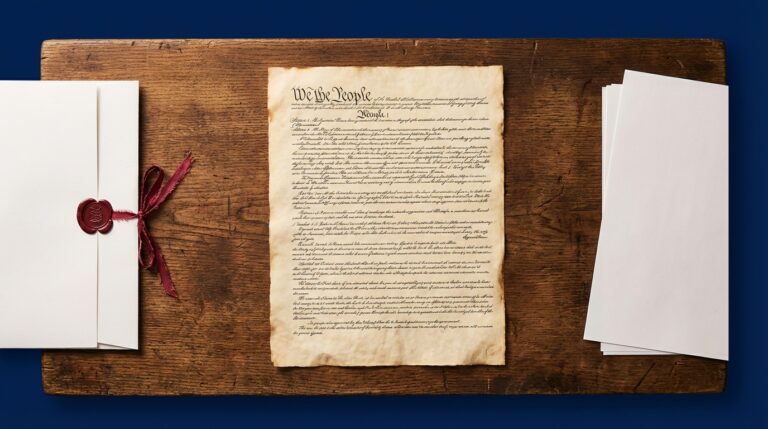
Congress has several distinct responsibilities, most commonly grouped as lawmaking, representation, budgeting and appropriations, oversight, and constituent services. The legal basis for these authorities begins in Article I of the Constitution, which vests legislative power in Congress and lists specific powers that anchor its work National Archives Constitution.

How this explainer is organized and why it matters to voters
This article breaks each role into a short description, the institutional mechanics that make it work, and practical places to follow activity, including event listings. Understanding the powers of congress helps voters see where policy choices, spending decisions, and accountability actions actually occur, and why committee calendars and CRS reports matter as primary sources Congressional Research Service oversight overview.
Constitutional foundation: where the powers of congress come from
Article I and enumerated powers
The Constitution makes Congress the primary lawmaking body and lists enumerated authorities such as taxation, interstate commerce, and the power to declare war. That text remains the formal legal source for the powers of congress and for how those powers are limited or divided among branches National Archives Constitution.
How congressional authority is limited and shared
Beyond Article I, the Constitution and later amendments set limits and share powers across branches. In practice, many finer details of congressional procedure are set by the House and Senate through their rules and established practices. Official guides from each chamber explain how those procedures channel authority into committees, floor decisions, and the conference or reconciliation steps that finalize bicameral agreements Congress.gov about Congress.

Lawmaking explained: how bills become law and who does what
Committee work, amendments, and floor action

The formal lawmaking process begins when a member introduces a bill, which is typically referred to a committee for study and possible amendment. Committees hold hearings, receive expert testimony, and vote to report bills to the floor; leadership and floor rules then shape debate and amendment opportunity. This committee-to-floor path is a core procedural sequence described in House and Senate guides and is central to how legislation advances Congress.gov about Congress.
Committees serve as the first gate. They can amend bills, combine provisions, or choose not to act. A committee vote to report a bill does not guarantee final passage, but it is a necessary step for most major legislation. Parties, committee chairs, and chamber leaders coordinate schedules that determine which measures reach the floor.
Search the bill number on Congress.gov, subscribe to the relevant committee pages for hearing notices, and consult CRS reports for background and budget context.
Once both chambers pass different versions of a bill, leaders may use a conference committee or a reconciliation process to resolve differences. Reconciliation is a special procedure used mainly for budget-related measures and can limit debate and amendment in the Senate, which changes how compromise is reached on spending and tax laws U.S. Senate powers and procedures.
Budget and appropriations: who controls federal spending
The congressional budget process and timelines
Congress controls federal spending through a sequence that begins with budget resolutions and continues through appropriations bills. The budget resolution sets overall fiscal targets, while appropriations bills allocate funding to agencies and programs for the fiscal year. This separation of authorization and appropriations is a technical but important distinction in how priorities become spending CRS introduction to the congressional budget process.
Appropriations committees and annual bills
Appropriations committees in each chamber prepare the annual funding measures that provide legal authority for federal agencies to spend. Those committees and their subcommittees hold hearings with agency officials and craft bill text that translates policy priorities into budget language. Where authorization language creates program structure, appropriations provide the dollars to operate programs.
Steps to monitor budget and appropriations actions on official sites
Sign up for committee alerts on official pages
Oversight and accountability: how Congress checks the executive and agencies
Hearings, investigations, and subpoena power
Oversight is a formal and routine part of congressional work. Committees use hearings, document requests, investigations, and subpoenas to examine executive branch actions, agency implementation, and issues that may require legislative fixes. CRS and committee resources, including the Congressional Oversight Manual, describe these tools as integral to Congresss role as a check on the executive and as inputs for future legislation CRS oversight overview (see Site Visits, Information Gathering, and Oversight).
Hearings can produce testimony, records, and public reports that inform lawmakers and citizens. Investigations may be narrow and technical or broad and public; the presence of hearings does not in itself determine legal outcomes, but it frequently shapes public understanding and legislative response.
Representation and constituent services: the local side of congressional work
Casework, local advocacy, and communication
Members of Congress spend part of their staff resources on constituent services, often called casework, which helps individuals and organizations navigate federal agencies, obtain benefits, or resolve administrative problems. House and Senate guides describe constituent services as a routine, district-facing function of congressional offices House.gov constituent services.
Representation also includes voting, public advocacy, and communication that reflects district interests. Members balance local outreach with national duties by maintaining district offices, regular communication channels, and staff dedicated to outreach and problem resolution.
The five roles of congress often overlap. For example, budget deadlines can accelerate lawmaking or narrow the window for deep oversight, while a stored approach to oversight can inform future appropriations or authorization language. Committee structures and majority control influence which role takes priority at any given time U.S. Senate powers and procedures.
Tradeoffs commonly appear when speed is needed to pass funding or emergency legislation, which can reduce time for thorough committee review. Conversely, extended oversight or hearings can delay legislative action but may yield more precise rules or clearer paths for funding and implementation.
Follow committee activity and stay informed
For accurate tracking of committee calendars, hearings, and major bills, consult official committee webpages and CRS reports and sign up for public notifications to follow developments directly.
Common misunderstandings and mistakes when following congressional actions
Misreading committee reports and headlines
A common error is treating a committee hearing or a press headline as an indicator that a law will follow. Hearings are information-gathering and oversight steps; they do not guarantee passage. Readers should check the bill text, committee votes, and formal floor schedules to confirm whether measures are advancing Congress.gov about Congress.
Confusing authorization with appropriation
Another frequent misunderstanding is conflating authorization with appropriation. Authorization creates, continues, or sets the terms for a program, while appropriation provides the funding. Tracking both kinds of action is necessary to understand whether a program is legally authorized and has current funding.

Practical examples: scenarios that show each role in action
An appropriations cycle example
In a typical appropriations cycle, a budget resolution outlines totals, appropriations subcommittees hold hearings with agency officials, draft bills are marked up, and the full committees report bills to the floor for votes. If chambers pass different versions, negotiators reconcile differences before final passage. That sequence shows how budgeting and appropriations turn policy priorities into spending decisions CRS introduction to the congressional budget process.
An oversight hearing and its typical outcomes
An oversight hearing often begins with a committee request for documents, followed by a public session with witnesses and written testimony. The committee may issue findings, request corrective action, or draft legislation based on the hearing record. Such hearings aim to inform lawmakers and can influence future appropriations or statutory changes CRS oversight overview.
A constituent casework example
A constituent-facing example is a resident seeking help with a Social Security claim. A congressional office can contact the relevant agency on the constituent’s behalf, check case status, and help resolve procedural issues. This practical, service-oriented work is separate from formal lawmaking but is an established part of congressional responsibilities House.gov constituent services.
How citizens can follow and check these powers, and where to find primary sources
Sources to monitor: committee pages, CRS, official congressional sites
Reliable primary sources include Congress.gov for bill texts and status (for example, H.R.4337), official House and Senate committee pages for hearings and calendars, and CRS reports for technical overviews. These resources allow citizens to verify where decisions are happening and to read source documents rather than relying only on summaries Congress.gov about Congress.
Simple steps to track bills, hearings, and appropriations
Basic tracking steps are to search by bill number on Congress.gov, subscribe to committee notifications, read committee reports, and consult CRS reports for background, and check the news page for updates. Those actions help separate short-term headlines from substantive committee work and legislative text CRS budget process overview.
Wrapping up: why these roles matter to voters
Where policy, budgets, and accountability meet citizens
Each of the five roles contributes to how government affects daily life. Lawmaking creates rules, budgeting determines resources, oversight checks implementation, representation channels district interests, and constituent services resolve individual problems. Monitoring committee activity and primary sources helps voters see which role is shaping a given issue and why that matters for accountability and public policy Congress.gov about Congress.
For context about candidates and local offices, public campaign pages and official filings provide background and stated priorities (see the about page). For example, candidate materials may outline stated priorities and ways to contact an office for local assistance or information about positions.
Article I of the U.S. Constitution vests legislative authority in Congress and lists the enumerated powers that form the legal basis for congressional action.
Congress sets spending priorities through the budget resolution and funds agencies through annual appropriations bills prepared by appropriations committees.
Use official committee webpages and Congress.gov to follow bill text, committee calendars, and public hearing materials.
Staying informed about these processes supports accountability and helps voters place candidate statements and campaign priorities in the context of where Congress actually acts.