The aim is to help voters, students and civic readers understand how lawmaking, appropriations, war authorizations, oversight and impeachment work together as part of the constitutional system. The article uses public resources to explain processes without predicting outcomes.
What are the powers of Congress? Definition and constitutional context
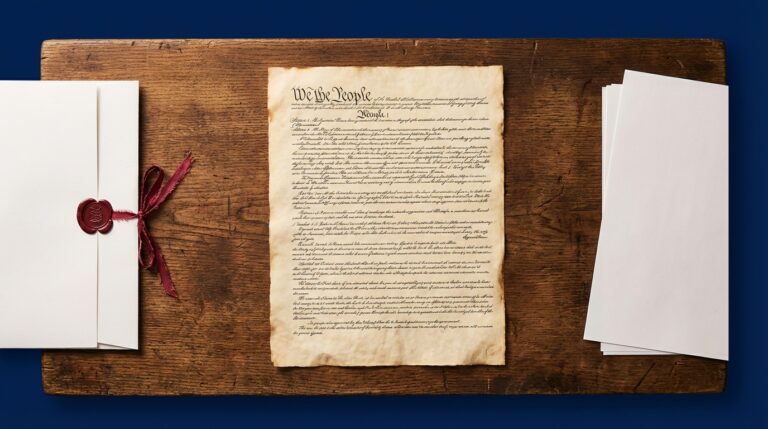
The phrase powers of congress refers to the constitutional and statutory authorities that allow the legislative branch to make law, control federal spending, authorize military action, conduct oversight, and remove officials for serious misconduct. Article I of the U.S. Constitution vests primary legislative authority in Congress and sets the basic procedures for creating statutes and exercising those authorities; readers can consult the Constitution for the foundational text and structure National Archives Constitution.
Those written grants in Article I have been implemented and clarified by later statutes and long-standing practice. Congress relies on committees, rules, budget procedures and support agencies to translate constitutional language into daily work. This combination of text, statute and practice shapes how the powers of Congress operate in 2026 without implying novel legal conclusions.

A quick overview: the five most important powers of Congress
Below are the five core powers Congress exercises, followed by a brief description of each so readers can see the outline before the detail sections.
Lawmaking: Congress drafts, debates and passes statutes through a multi-step process that begins in committees and requires agreement by both chambers.
The power of the purse: Congress controls appropriations and federal spending through the annual budget and appropriations process, which gives it leverage over executive programs and priorities.
Authority over war and foreign commitments: the Constitution assigns the power to declare war to Congress, while modern practice includes authorizations for use of military force and statutes like the War Powers Resolution that affect how force is used.
Oversight and investigations: standing and select committees, subpoenas and support from agencies such as the Government Accountability Office enable Congress to seek information and hold the executive branch accountable.
Impeachment and removal: the House may impeach federal officers, and the Senate may try and remove them for serious misconduct under the constitutional standard of high crimes and misdemeanors.
How Congress makes law: the lawmaking power
Article I gives Congress the legislative authority to create statutes and to set the procedures for doing so, and those procedures start with committee consideration and reporting to each chamber for debate and votes; the constitutional text and procedural rules together define the lawmaking process Congress.gov Article I.
In practice a bill typically begins with drafting by members or staff, referral to a committee, hearings and markups where experts and officials may testify, and then committee votes to send the measure to a chamber floor. Both the House and the Senate have distinct rules for debate, amendment and final passage, and resolution between chambers is required before presentation to the President.
A short list of primary documents and offices to consult for technical legislative detail
Start with these three authoritative sources
Supporting agencies play a practical role. The Congressional Budget Office provides cost and budgetary estimates that committees use to assess the fiscal effects of proposals, and those estimates can influence amendment choices and floor strategy without altering constitutional text CBO budget overview.
Judicial review and constitutional limits shape what laws Congress can validly enact. Courts can invalidate statutes that exceed congressional authority or that conflict with constitutional protections, so lawmaking operates inside legal boundaries established by the Constitution and by precedent.
How Congress controls money: the power of the purse

The power of the purse refers to Congress’s authority to authorize spending and to appropriate funds for federal programs through the annual budget and appropriations process. That authority gives Congress a practical lever over executive implementation of policy because programs generally need appropriations to operate CBO budget overview.
Budgetary work begins with the president’s submission of a budget proposal, but Congress holds the decisive role in drafting and passing appropriation bills and other funding measures. Committees, like appropriations committees, and staff analysts frame the details that determine funding levels and any conditions attached to spending.
Because appropriations can include conditions, restrictions or targeted funding, Congress can shape executive priorities through detailed language in statutes and spending bills. Those choices require negotiation and follow set calendars, and they are subject to political leverage and procedural rules within each chamber. (See the Appropriations Clause at the Constitution Center.)
The CBO’s fiscal estimates and scorekeeping help lawmakers predict the effects of funding decisions and compare alternatives, which makes the budgeting process both technical and political in equal measure.
War, authorizations and foreign commitments: Congress’s security role
The Constitution assigns Congress the power to declare war, a grant that remains a central constitutional allocation of security role to the legislature. Modern practice has layered statutory authorizations and procedural norms onto that text War powers overview.
Since the 20th century, and particularly after 2001, congressional authorizations for the use of military force and the War Powers Resolution have complicated the simple picture of a single declaration of war. Those statutes and resolutions shape how presidents and Congress share responsibility for committing forces abroad. See a discussion of legislative pathways in the CNAS report.
Congress’s powers provide checks through lawmaking and funding decisions, oversight and investigations, statutory authorizations for force, and impeachment as a removal mechanism; together these authorities enable legislative accountability within constitutional limits.
Debates have continued into the mid-2020s about the proper balance between congressional declarations and presidential use of force, including questions about whether to revise existing authorizations or to update statutory frameworks. Legal scholars and practitioners continue to discuss how statutes and practice should interact without settled consensus.
Oversight and investigations: how Congress holds the executive accountable
Congressional oversight is a formal, recurring power exercised by standing and select committees that can compel information through subpoenas, hearings and document requests; the Government Accountability Office provides investigative support and reporting to committees pursuing oversight matters GAO oversight resources.
Committees use hearings and subpoenas to gather facts, question officials and prepare records that may inform legislation or public reporting. Oversight can produce recommendations, prompt administrative changes, or support statutory reforms without directly creating new law.
Practical limits exist: subpoenas and investigatory steps sometimes trigger legal disputes about privilege or jurisdiction, and courts may be asked to resolve inter-branch conflicts. Oversight therefore operates through a mix of committee authority, staff work, agency cooperation and, at times, litigation.
GAO reports and inspector general findings often provide the evidence base committees rely on when shaping follow-up legislation, conducting public hearings, or drafting remedies to administrative problems.
Impeachment and removal: the constitutional safety valve
The Constitution sets out a two-step removal process: the House of Representatives may impeach federal officers, and the Senate holds a trial that can lead to conviction and removal for the constitutional standard of high crimes and misdemeanors. The Senate’s published guidance explains the rules and historical practice for that process Senate impeachment guidance.
Impeachment is rare and deliberate. It is a political-legal remedy designed to address serious misconduct by officials, and it does not replace criminal prosecution, which is handled through the courts and law enforcement when appropriate.
Join the campaign updates and stay informed
For readers who want primary documents on impeachment and constitutional procedure, consult official resources and neutral guides to understand the steps and standards.
The House’s decision to impeach and the Senate’s role in trial mean impeachment is both a legal and political process. Historical use has been infrequent, and the framers designed the mechanism to provide a high threshold before removal can occur.
How the five powers interact: checks, balances and complementary roles
The five powers of Congress work together as part of a broader system of checks and balances: lawmaking establishes legal rules, appropriations fund or constrain policy, oversight produces information and accountability, war authorizations regulate use of force, and impeachment provides a removal mechanism for serious misconduct. These complementarities help explain why the separate powers matter in practice GAO oversight resources.
For example, oversight findings can prompt legislation or restrictions in appropriation bills, and funding choices can affect the executive branch’s ability to implement statutes. Those interactions happen through committee work, floor decisions and inter-branch negotiations rather than by unilateral fiat.
Formal limits and practical constraints on congressional power
Congress’s power is bounded by constitutional text, judicial review and internal procedures. Courts can interpret the Constitution and invalidate statutes that exceed congressional authority, which places a legal check on legislative action; the constitutional text provides the baseline for those limits National Archives Constitution.
Procedural rules, committee jurisdictions and the budget calendar also constrain what Congress can accomplish in a given session. Internal rules determine how and when measures reach the floor, and those procedural steps shape the legislative agenda and practical outcomes.
Inter-branch disputes over subpoenas, war powers and appropriations combine legal questions with political calculation. These disputes often produce litigation or negotiated settlements, underscoring that congressional authority operates inside a contested institutional environment where law and politics meet.

How Congress uses these powers today: trends and open questions
Contemporary practice raises several open questions about how Congress will use budgetary tools and oversight in partisan contexts and whether institutional reforms will alter long-standing patterns. Analysts note ongoing tension between legislative authority and executive discretion in budgeting and oversight work CBO budget overview. Institutional reforms remain a key topic for observers.
Oversight in the modern era often involves extensive document review, public hearings and GAO reports, and it can be shaped by partisan priorities while still producing factual records useful for legislation or public understanding. How committees deploy these tools remains a subject of debate.
Discussions about revising authorizations for use of military force continue to surface, with legal commentary weighing how statutes, resolutions and executive practice should interact. These debates reflect broader questions about accountability and the proper allocation of security powers between branches Yale Law Journal essay.
Common misunderstandings and pitfalls when discussing congressional power
A common error is treating constitutional text or campaign slogans as equivalent to practical outcomes; the Constitution provides authority, but translating that authority into policy or results requires legislation, funding and implementation steps. Anchor claims to primary sources rather than slogans Congress.gov Article I.
Another pitfall is overstating what a single appropriation will immediately accomplish. Appropriations set funding but implementation depends on agency rulemaking, timelines and administrative capacity. Use CBO estimates and GAO reports to check implementation assumptions.
Finally, readers sometimes equate impeachment with criminal conviction. Impeachment is a political-constitutional remedy that may lead to removal; criminal liability is pursued in courts and follows different procedures and standards.
How to evaluate claims about what Congress can do
Check the constitutional or statutory basis for any claim. Start with Article I or the specific statute cited, and look for primary documents that show the legal foundation for a power or action National Archives Constitution.
Consult primary sources like CBO estimates for fiscal claims, GAO reports for oversight findings, and Senate or House guidance for procedural questions. Those documents provide the technical grounding necessary to evaluate policy statements and legislative forecasts.
Be skeptical of causal leaps that promise immediate outcomes from a single vote or appropriation. Prefer attribution, conditional language and primary documentation when assessing statements about congressional action.
Practical examples and hypothetical scenarios
Hypothetical: a budget stalemate. If Congress fails to pass regular appropriations, continuing resolutions or stopgap measures may fund government operations temporarily; this shows how budget calendars and appropriations authority can produce short-term constraints and negotiations without predicting specific political results.
Hypothetical: an oversight investigation that leads to legislative change. A committee may use hearings, subpoenas and GAO evidence to document a gap in program performance, and that record can lead to proposed statutory fixes or altered funding priorities; the process illustrates how oversight and lawmaking interact without asserting outcomes.
Hypothetical: an impeachment inquiry. The House might open an inquiry based on alleged misconduct, investigate through committees and, if articles are approved, send them to the Senate for trial. This procedural outline reflects the constitutional design and the deliberate nature of impeachment as a remedy Senate impeachment guidance.

Conclusion: what to remember about the powers of Congress
In short, the five most important powers of Congress are lawmaking, the power of the purse, authority over war and foreign commitments, oversight and investigations, and impeachment and removal, all rooted in Article I and shaped by later statutes and practice Congress.gov Article I.
Primary sources such as the Constitution, CBO budget documents, GAO oversight reports and Senate guidance on impeachment are the best places to check specific claims. Two open questions to watch are how Congress will deploy budgetary leverage in partisan settings and whether it will act to revise war-authorizing statutes.
Article I vests legislative authority in Congress and sets procedures for making laws; it is the constitutional basis for congressional powers.
Congress uses appropriations and the budget process to authorize and fund federal programs, which gives it leverage over executive implementation.
No. Impeachment is a political-constitutional process for removal, while criminal prosecution occurs in courts under ordinary criminal law.
References
- https://www.archives.gov/founding-docs/constitution
- https://www.congress.gov/constitution-article-i
- https://michaelcarbonara.com/contact/
- https://www.cbo.gov/publication/58583
- https://www.law.cornell.edu/wex/war_powers
- https://www.gao.gov/oversight
- https://www.senate.gov/about/powers-procedures/impeachment.htm
- https://constitutioncenter.org/the-constitution/articles/article-i/clauses/756
- https://www.cnas.org/publications/reports/war-powers-what-are-they-good-for
- https://michaelcarbonara.com/issue/constitutional-rights/
- https://michaelcarbonara.com/issue/strength-security/
- https://michaelcarbonara.com/issues/
- https://yalelawjournal.org/essay/war-powers-reform-a-skeptical-view