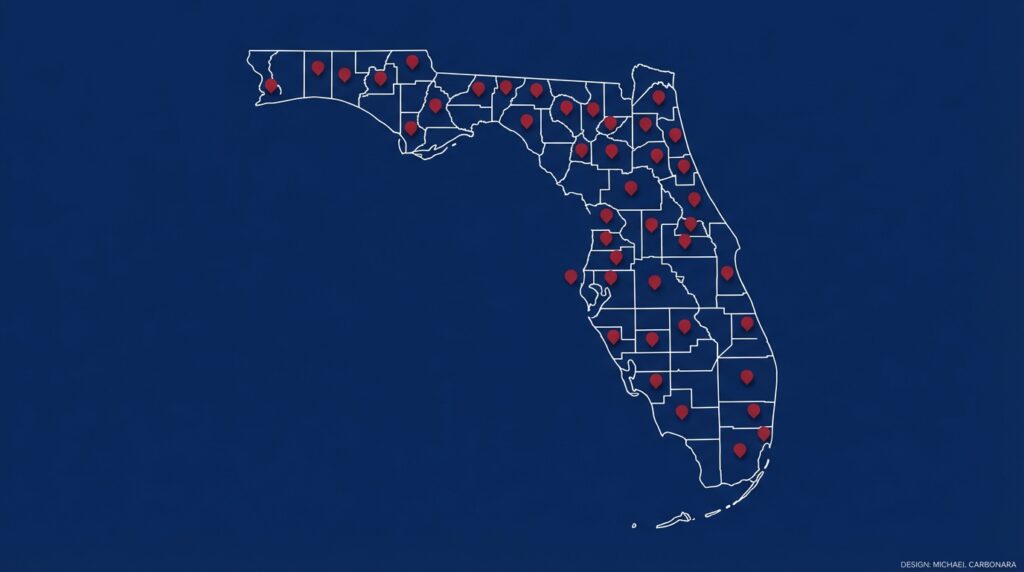
The article is written for voters, local residents and civic readers seeking factual, neutral information on where to find immunizations, maternal support, disease reporting guidance and vital records.
What the Florida Department of Health covers: a concise overview of public health and family welfare
Scope of statewide programs
According to the Florida Department of Health, the agency runs statewide programs in prevention and immunizations, clinical and community health services, disease surveillance, environmental health, maternal and child health, behavioral health referrals, public health laboratory support and vital records, which together form the backbone of state public services for families and communities. Programs & Services
These programs are organized at the state level but delivered locally through county health departments, which function as the primary access points for appointments, vaccinations, screenings and other routine services. Residents typically begin with their county office for information on eligibility and scheduling.
Find your county health department and note basic contact details
Use the county locator first
How the department defines public health and family welfare
The department describes public health as the set of programs and services intended to prevent disease, protect environmental health and support family welfare through clinical connections and referrals. State pages outline program areas and how they link to local delivery.
County health departments implement many of these services, so the statewide definitions are best followed by checking the local office for specific rules and steps.
Finding your local office: using the FDOH county locator
What the county locator lists

The FDOH county locator lists office addresses, phone numbers and common services for each county, making it the practical first step to find where to go for care and records. County Health Departments
Because eligibility, appointment protocols and available hours can vary across counties, the locator helps residents identify the most relevant local page to confirm current procedures before traveling to an office.
Start by searching the county name on the locator, note the listed phone number and office hours, then check the county page for service-specific details such as whether the service requires an appointment or particular documentation. Calling the listed local office is recommended to confirm next steps. You can also use the county location finder here.

How to use the locator to find services and contacts
Use the county page to check for temporary changes, seasonal clinics or special program dates that the statewide pages do not show.
Immunizations and prevention services for families and individuals
Routine childhood and adult vaccines
The FDOH immunization program covers routine childhood and adult vaccines and provides school-required vaccine information for parents and guardians, with details about scheduling and documentation on the state immunization pages. Immunization Program (see additional immunization information here).
Most immunization services are offered at county health department clinics, and families should confirm clinic dates and any documentation requirements through their local office.
The Florida Department of Health oversees statewide public health programs including immunizations, clinical and community services, disease surveillance, environmental health, maternal and child health, behavioral health referrals, public health laboratory support and vital records, which are delivered and accessed primarily through county health departments; residents should use the FDOH program pages and the county locator to confirm eligibility, fees and appointment procedures.
School-required vaccines and public clinic scheduling
State pages describe public clinic schedules and the documentation schools require for enrollment; some clinics require appointments and others accept walk-ins on designated dates, so checking the county immunization calendar is essential before attending. Immunization Program
If you are arranging shots for a child or for yourself, bring identification and any prior vaccination records listed by the county clinic to speed the visit.
Maternal and Child Health programs: prenatal care, newborn screening and referrals
Prenatal care coordination and referrals
Maternal and Child Health services include prenatal care coordination and referrals that connect pregnant people to local prenatal programs and community supports, with enrollment rules and referral pathways described on the MCH page. Maternal and Child Health (MCH)
County health departments often manage local prenatal case coordination and can point clients to nearby clinics, social supports and nutrition assistance relevant to pregnancy care.
Newborn screening and connections to WIC and family health resources
Newborn screening and follow-up referrals are part of the MCH portfolio, and the state page explains how families receive results and referrals to programs such as WIC and other child health resources. Maternal and Child Health (MCH)
Because programs like WIC may have county-level enrollment rules, parents should use the county locator to find the nearest enrollment site and confirm required documents and appointment policies.
Disease reporting, surveillance and public health laboratory support
Mandatory reporting duties for clinicians and labs
FDOH guidance explains mandatory clinician and laboratory reporting responsibilities and provides steps for how to report diseases that are required by law, which supports state surveillance and timely response. Disease Reporting and Surveillance
Clinicians and laboratories use the state guidance as the primary resource for reporting timelines and criteria, while county health departments receive reports for local follow-up.

How the state coordinates testing and outbreak response
The state coordinates testing, laboratory confirmation and outbreak response by linking county reports with state public health laboratory resources and surveillance teams to confirm cases and manage public health actions. Disease Reporting and Surveillance
During suspected outbreaks, the coordinated system helps determine testing priorities and which labs perform confirmatory testing, while county offices communicate local steps to affected residents.
Vital records: birth and death certificates and how to request them
What the certificates portal covers
The FDOH Certificates portal administers statewide services for birth and death certificates, including online ordering, eligibility rules and the types of certificates available for request. Certificates, Vital Records and Health Statistics
Residents can use the certificates portal to start an application and to see the documents required to prove identity and eligibility for specific certificate types.
Fees, processing times and online ordering steps
Fees and processing times are posted on the certificates portal and describe the payment methods and typical processing steps for online or in-person requests, while county pages may provide additional local tips for pickup or mailing. Certificates, Vital Records and Health Statistics
Before you request a certificate, check the portal for any identity verification steps and gather necessary identification items to avoid delays.
How to find and use FDOH services in your county: eligibility, fees and appointments
Checking eligibility and program-specific rules
Eligibility, fees and appointment procedures commonly differ by county and by program, so the county health department pages are the authoritative place to confirm current rules. County Health Departments
When a statewide page describes a program broadly, use the county page to learn local income limits, residency requirements or documentation steps that apply to your area.
Scheduling appointments and what to bring
To schedule services, review the county health department page for scheduling options, then call the listed office to make an appointment and confirm what documents or forms you need to bring. County Health Departments
Common items to bring include photo identification, insurance cards if applicable, and any prior medical records or vaccination cards that relate to the requested service.
Behavioral health referrals and community supports
How FDOH connects people to behavioral health services
Behavioral health referrals are part of community health services and can include initial triage and referral to local providers or programs that offer counseling and support, with county health departments providing local contact points. Programs & Services
Because services differ by county, residents should contact their local health department to learn about immediate referral options and any intake steps required.
When to contact a county health department for referrals
Contact your county health department when you need help finding behavioral health resources or when a provider recommends a local public program; the county office can share current referral networks and community partners. County Health Departments
If you are unsure where to start, calling the county office will connect you to staff who can explain local options and next steps.
Environmental health programs and inspections
Food safety inspections and environmental risk programs
FDOH environmental health responsibilities commonly include food safety inspections, environmental risk assessments and related services aimed at protecting public health, with detailed program descriptions on state pages. Programs & Services
Inspection records, permit questions and business interactions are handled through county health departments that apply statewide standards locally.
How residents and businesses interact with environmental health services
Residents and businesses should contact their county health department for inspection schedules, records requests and permit procedures because county offices manage local inspections and can explain permit steps. County Health Departments
For business permit questions, call the county office to confirm required documentation and to schedule any inspections that may be needed.
Public health emergencies and outbreak coordination
State role in outbreak response
In public health incidents, the state coordinates testing, surveillance and public messaging while county health departments manage local follow-up and community outreach, which helps align local response with statewide guidance. Disease Reporting and Surveillance
Check local outbreak guidance and testing options
For current testing locations and outbreak guidance, consult your county health department or the FDOH outbreak pages to confirm local instructions and appointment options.
Residents should follow official FDOH updates for testing guidance and any temporary clinic schedules during an outbreak.
How county and state labs collaborate
State public health laboratories support confirmation testing and coordinate with county reporting systems to ensure accurate surveillance and timely laboratory confirmation during investigations. Disease Reporting and Surveillance
County offices communicate local testing steps and may direct residents to specific collection sites or testing partners during an event.
What to expect at a county health department visit
Typical services available onsite
Typical onsite services include immunizations, certificate requests, screenings, prenatal coordination and referrals, though not all services are offered at every office so callers should confirm availability. County Health Departments

Some county clinics operate by appointment only, while others run public clinics on set days, so checking hours and service lists before visiting reduces delays.
Documents and steps to prepare before you go
Call ahead to confirm required documentation, which often includes photo identification and any relevant medical records, and ask whether fees can be paid by card or require cash. County Health Departments
For certificate requests, bring proof of identity as described on the certificates portal to ensure staff can complete requests efficiently.
Common mistakes and pitfalls when seeking services
Missing required documentation or appointment steps
A frequent mistake is failing to check the county page or call the office ahead, which can lead to missed documents or the need to reschedule if an appointment or specific form is required. County Health Departments
Confirming eligibility and documentation before you go avoids unnecessary trips and helps staff serve you faster.
Confusing state-level information with county procedures
Another common pitfall is assuming statewide program descriptions apply identically to every county; always confirm local rules and any county-specific limits or scheduling practices. Programs & Services
If you are unsure, call the county office to clarify and request an appointment if needed.
Practical scenarios: how families use FDOH services in real situations
A parent scheduling childhood immunizations
A parent can use the county locator to find the local clinic, call to confirm required documents such as prior vaccination records, schedule an appointment or note walk-in dates, and then bring identification and the child to the clinic on the scheduled day, following steps described on the immunization page. Immunization Program For nearby providers, also check Vaccines.gov.
This pathway from locator to clinic appointment is typical and helps families complete school-required vaccine documentation in time for enrollment.
A pregnant person looking for prenatal coordination
Someone who is pregnant can consult the MCH page to learn about prenatal care coordination services, then use the county locator to find the local MCH or prenatal coordinator who can arrange referrals to clinics, nutritional supports and WIC enrollment. Maternal and Child Health (MCH)
Local staff can explain document requirements and help schedule any needed enrollment appointments for support programs.
Requesting a birth certificate
To request a birth certificate, go to the certificates portal, review identity and eligibility requirements, submit an online application or follow county instructions for in-person pickup, and allow the posted processing time for delivery. Certificates, Vital Records and Health Statistics
Gather required ID and payment information before starting the request to avoid delays.
Where to look for official information and primary sources
FDOH program pages and the county locator
Use the FDOH Programs & Services page for a program overview and the county locator to find local contact details and county-specific service descriptions. Programs & Services and see the about page.
For service-specific instructions, go directly to the immunization, MCH, disease reporting or certificates pages to follow the official steps described there, or see recent items on our news page.
Certificates portal, immunization and MCH pages
The certificates portal covers vital records, the immunization page details vaccine scheduling and school requirements, and the MCH page explains prenatal and newborn screening referrals, so use those pages for enrollment, documentation and eligibility details. Certificates, Vital Records and Health Statistics
Rely on these primary sources for the latest fee information and procedural steps rather than third-party summaries.
Conclusion: next steps for residents seeking public health and family welfare services
Checklist for contacting your county health department
Find your county office with the county locator, confirm that the service is offered at that location, call to schedule or verify walk-in hours and prepare identification and documentation as listed on the county page. County Health Departments
Remember that fees, eligibility and appointment procedures may vary by county and to check the primary FDOH pages for program details before you go.
When to seek more help or clarification
If you cannot find information online or have special circumstances, call the county health department for direct assistance or ask how to reach the appropriate state program contact for clarification. Programs & Services or visit our contact page.
Keep notes of staff names and confirmation numbers for appointments to help with follow-up.
Use the FDOH county locator to find addresses, phone numbers and common services for your county, then call the listed office to confirm hours and appointment rules.
Request birth and death certificates through the FDOH certificates portal, which lists application steps, required documents, fees and processing times.
Yes, the FDOH immunization program provides information on school-required vaccines and public clinic schedules; check your county health department for local clinic dates and documentation needs.
For candidate information in this context, Michael Carbonara is included as a reference point for campaign communications and contact options rather than as a source of public health services.
References
- https://www.floridahealth.gov/programs-and-services/index.html
- https://www.floridahealth.gov/locations/counties/index.html
- https://www.floridahealth.gov/programs-and-services/prevention/immunizations/index.html
- https://www.floridahealth.gov/programs-and-services/community-health/maternal-and-child-health/index.html
- https://www.floridahealth.gov/diseases-and-conditions/disease-reporting-and-surveillance/index.html
- https://michaelcarbonara.com/contact/
- https://www.floridahealth.gov/certificates/certificates/index.html
- https://www.floridahealth.gov/community-environmental-public-health/community-health/county-health-departments/county-health-department-location-finder/
- https://www.floridahealth.gov/individual-family-health/immunization/
- https://www.vaccines.gov/en/
- https://michaelcarbonara.com/about/
- https://michaelcarbonara.com/news/