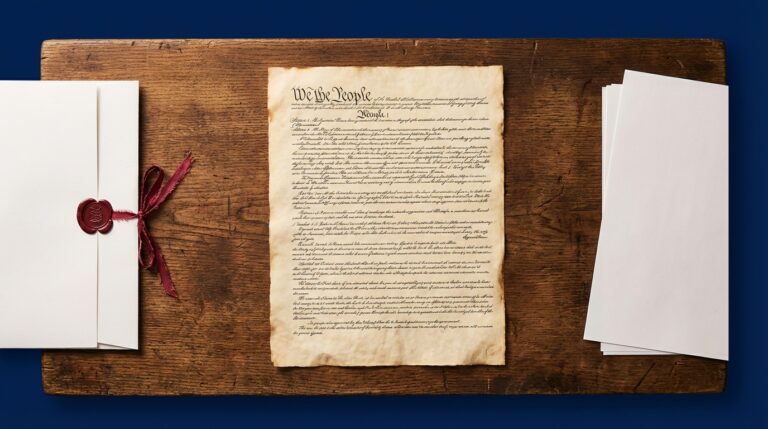
The article is practical and source based. It summarizes the statutory framework, the typical stages of rulemaking, where to find dockets, and concrete tips for drafting comments that agencies can review and respond to.
Why the right to petition government still matters for rulemaking
The First Amendment connection
The right to petition government is protected by the First Amendment and provides the constitutional basis for public comment in the United States, a practice with roots in the Bill of Rights going back to 1791. This constitutional foundation underlies modern administrative processes that allow citizens to address agencies with facts, legal perspectives, and policy preferences National Archives Bill of Rights transcription. See our constitutional rights hub.
Why public comments matter to agencies and civic oversight
Public comment periods give individuals and groups an organized way to place information into the administrative record. Agencies use that record when they explain final decisions, and civic oversight relies on transparent notice and comment to surface technical data and legal arguments for consideration Office of the Federal Register citizen guide
The right to petition and the rulemaking record are not identical things, but they work together: petitioning can be a broader civic practice while notice and comment is the statutory channel where petitions become part of rulemaking files National Archives Bill of Rights transcription
Join the Campaign and stay informed
Review primary rulemaking guides and check Regulations.gov for open dockets in your areas of interest before drafting a comment
The statutory framework: Administrative Procedure Act and notice-and-comment rulemaking
Key APA requirements at a glance
The Administrative Procedure Act, codified at 5 U.S.C. section 553, is the primary federal statute that requires agencies to publish proposed rules, allow a period for public comment, and consider those comments before taking final action. The statute dates to 1946 and remains central to informal federal rulemaking Text of the Administrative Procedure Act
Where agencies must publish proposed rules
Agencies publish notices of proposed rulemaking and related documents in agency dockets so the public can find proposals and submit comments. The Office of the Federal Register and agency docket systems explain where notices are posted and how documents are organized for review Office of the Federal Register citizen guide
Step-by-step: How notice-and-comment rulemaking works
From proposed rule to final rule: stages
Most informal rulemakings follow a sequence: an agency issues a notice of proposed rulemaking, the public has a specified comment period to submit views and evidence, the agency reviews and considers those comments, and the agency issues a final rule that often includes a preamble addressing major comment themes. That sequence is the practical implementation of APA section 553 and related guidance Office of the Federal Register citizen guide. See the Federal Register public commenting process.
Within these stages, agencies may solicit technical studies, hold public hearings, or request specific data. The published notice will list the docket identifier, methods of submission, and the closing deadline for comments, which readers should note before preparing a submission EPA guidance on how to comment
The right to petition government, protected by the First Amendment, provides the constitutional basis for public comment in administrative rulemaking; the Administrative Procedure Act and agency guidance shape how comments are submitted, considered, and recorded.
Typical deadlines and agency preambles
Comment periods are set in the notice of proposed rulemaking and commonly run from about 30 to 60 days. Agencies may extend comment periods for complex or significant proposals, and any extension is likewise announced in the docket notice or in a subsequent Federal Register entry Office of the Federal Register citizen guide
When a final rule is published, the agency typically includes a preamble that summarizes the major comments and explains how the agency addressed them. That preamble is the place to look for the agency rationale and any substantive or regulatory changes made after public input Office of the Federal Register citizen guide
Where to find dockets and how to submit comments
Using Regulations.gov to locate open dockets
Regulations.gov is the central federal portal for finding open dockets, submitting electronic comments, and tracking rulemaking documents for many federal agencies. The site provides search tools, docket pages, and guidance for preparing and filing comments online Regulations.gov guidance on how to comment. See the Regulations.gov FAQ.
Paper and in-person submission options listed in notices

Not all agencies rely solely on electronic filing. Many docket notices list alternative submission methods such as mail or in-person delivery, and the notice will describe required formats, page limits, or address details. Always check the agency notice for the permitted ways to submit comments for that specific rulemaking EPA guidance on comment submission
Before drafting a comment, note the docket identifier and the official comment deadline. Including the docket identifier in your submission ensures the agency puts your comment into the correct file and makes it searchable on Regulations.gov Regulations.gov guidance on how to comment. For step-by-step submission instructions see this guide.
Preparing an effective public comment
What to include: facts, citations, and proposed text
An effective comment identifies the docket number, states whether the commenter speaks for themselves or on behalf of an organization, and supplies concise factual or legal support for the position. When possible, propose specific regulatory text or edits so agency staff can see a practical alternative or clarification Regulations.gov guidance on how to comment
How to state whether you comment for yourself or on behalf of others
If you submit on behalf of an organization, include the organization name, a short description of its interest in the matter, and a point of contact. For individual commenters, a brief personal statement of interest or expertise helps agency staff understand the perspective offered Office of the Federal Register citizen guide
A campaign or public figure often posts policy statements that commenters may cite as part of a submission. For example, a local candidate may publish a platform page that a commenter references for context; keep any campaign citations factual and clearly attributed, and do not use campaign material in ways that imply agency endorsement

How long comment periods usually last and when they change
Typical 30 to 60 day windows and exceptions
Agencies commonly set comment periods between 30 and 60 days, but the appropriate length depends on the complexity and significance of the proposal. For technical or far reaching rules, agencies sometimes allow longer windows to give stakeholders time to prepare evidence or coordinate responses Office of the Federal Register citizen guide
Extensions and reopening the record
When agencies extend a comment period or reopen the record, they publish that change in the docket or in a supplemental Federal Register notice. Watch the docket for updates because an extension can create an opportunity to submit new evidence or respond to newly available information EPA guidance on comment submission
What agencies do with comments and how influential comments can be
Agency obligations to consider comments
Agencies have a statutory obligation to consider submitted comments and to respond to major issues in the preamble to a final rule. The preamble records how the agency evaluated arguments and evidence and explains any changes made to the proposal as a result of public input Office of the Federal Register citizen guide
Research on comment influence and limitations
Empirical studies show that comment influence on measurable regulatory outcomes is mixed and often depends on the comment’s specificity, legal argument, or technical evidence. Comments that supply data, legal citation, or a narrowly tailored alternative tend to have a higher chance of shaping agency reasoning than broad statements alone Empirical overview of comment impact
Recommend primary submission methods and pre-submission checks
Use Regulations.gov first for most federal dockets
When evaluating comment influence, remember that agencies must consider comments but are not required to adopt any specific suggestion. The record and preamble show where agencies found comments persuasive and where they declined to change course Office of the Federal Register citizen guide
Decision criteria: what makes a comment persuasive to an agency
Specificity, legal argument, and technical evidence
Comments that offer concrete data, specific references to the proposed rule language, or clear legal analysis are more likely to be considered persuasive. Technical evidence that addresses key sections of the proposal helps agency staff evaluate the substance without additional research Empirical overview of comment impact
Formatting and clarity that aid agency review
Organize comments with a brief summary, numbered points, and labeled attachments. Cite the docket number, cite specific proposal sections or regulatory citations when relevant, and keep the core argument concise so reviewers can quickly identify the key evidence Regulations.gov guidance on how to comment
Procedural compliance matters. A comment that omits the docket identifier or fails the submission format may be harder to match to the record or could be processed with delay Office of the Federal Register citizen guide
Common mistakes and pitfalls to avoid when submitting comments
Missing docket identifiers and deadlines
One frequent error is failing to include the docket number or missing the posted deadline. Both mistakes reduce a comment’s traceability and can prevent it from being associated with the correct rulemaking file Regulations.gov guidance on how to comment
Overly general or unsupported claims
Broad assertions without facts, citations, or a proposed alternative are less useful to agency reviewers. Avoid statements of opinion alone; instead, attach supporting documents or cite primary sources so staff can verify the underlying data EPA guidance on comment content
Also pay attention to privacy notices and whether the docket will publish your name or other personal information. Agencies describe these issues in the notice so commenters can make informed choices about redaction or submission format Office of the Federal Register citizen guide
Practical examples and short templates for public comments
Short individual comment template
Template for an individual comment: identify the docket number, state your position in one sentence, summarize two or three factual points or relevant personal experience, and offer a short concluding request such as a specific change or an explanation you seek. Attach supporting documents rather than pasting long data tables into the comment body when possible Regulations.gov guidance on how to comment

Group or organizational comment template
Template for an organizational comment: include the organization name and mission, identify the docket number, explain the organization’s interest or expertise, present summarized evidence or technical analysis, and provide a clear ask such as revised text or a delay to collect more data. Include a point of contact and, when appropriate, list signatories in an attachment Office of the Federal Register citizen guide
In every template, recommend concision and clear citations so agency reviewers can find supporting documents quickly and evaluate claims efficiently EPA guidance on comment structure
How civic groups and local readers can coordinate comments and petitions
Coordinating sign-on letters and joint filings
Groups that coordinate sign-on letters or joint filings should make clear who is signing, include a short summary of the group’s interest, and provide a contact for follow up. Agencies will typically accept a single joint file and list signatories or attach a separate sign-on sheet in the docket Regulations.gov guidance on how to comment. See our issues page.
Disclosure and representative statements
If a commenter represents others, disclose that relationship. Representative statements that omit required disclosure can complicate the record and reduce the transparency of the submission. Follow agency instructions for attachments and form fields on the docket page Office of the Federal Register citizen guide
Tracking comments, outcomes, and where to read agency responses
Using Regulations.gov to view submitted comments
After submission, Regulations.gov allows users to confirm receipt and view comment text in the docket. The site provides a way to see whether an agency has posted or redacted material and to follow the docket for future updates Regulations.gov guidance on how to comment
Finding responses in the final rule preamble
When a final rule is published, read the preamble to find the agency’s summary of key comments and its explanations for adopting or rejecting suggestions. The preamble and accompanying docket materials are the best place to see how public input affected the outcome Office of the Federal Register citizen guide
Conclusion: Next steps for citizens who want to use their right to petition government
Checklist before you submit
Checklist: find the docket on Regulations.gov, note the comment deadline, include the docket number in your submission, provide concise factual support and citations, and propose specific text when feasible. Follow the agency’s instructions for attachments and formats Regulations.gov guidance on how to comment. Or contact us for assistance.
Where to find primary sources and guidance
Primary sources include the Administrative Procedure Act text and the Office of the Federal Register citizen guide for step-by-step explanations. Use those documents and the Regulations.gov help pages as your basic reference when preparing comments Text of the Administrative Procedure Act
The right to petition government is a First Amendment protection that lets people request action or information from government bodies and is the constitutional basis for public comment in rulemaking.
Start with Regulations.gov to locate dockets and submission instructions, and check the agency notice for options like mail or in-person filing.
Agencies must consider comments and address major issues in the final rule preamble, but measurable influence varies and depends on the specificity and evidence in comments.
For updates and to get involved in local civic work, consider following official docket pages and guidance documents so your participation is timely and traceable.
References
- https://www.archives.gov/founding-docs/bill-of-rights-transcript
- https://www.federalregister.gov/uploads/2011/01/the_process.pdf
- https://www.govinfo.gov/content/pkg/STATUTE-60/pdf/STATUTE-60-Pg237.pdf
- https://www.epa.gov/laws-regulations/how-comment-rulemaking
- https://www.regulations.gov/commenting
- https://www.regulations.gov/faq
- https://www2.census.gov/about/policies/collections/how-to-submit-comments-on-regulations.gov.pdf
- https://www.federalregister.gov/reader-aids/using-federalregister-gov/the-public-commenting-process
- https://michaelcarbonara.com/contact/
- https://papers.ssrn.com/sol3/papers.cfm?abstract_id=3912345
- https://michaelcarbonara.com/issues/
- https://michaelcarbonara.com/issue/constitutional-rights/