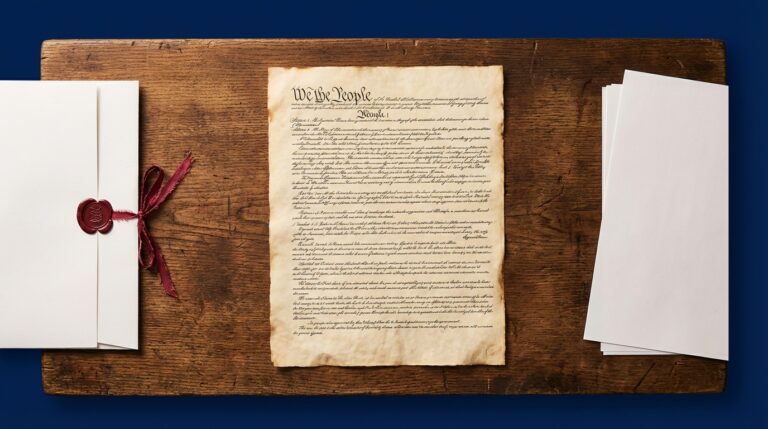
The aim is practical clarity. The guide draws on court precedent and on public resources that describe model permit practices, event-safety planning, and protesters' rights so readers can plan, apply, and operate with predictable, objective conditions.
What time place manner restrictions are and why they matter
time place manner restrictions
Short definition
Time place manner restrictions are rules that limit when, where, or how people speak in public without targeting the message itself. The doctrine focuses on the circumstances of expression, not the content, so officials can set hours, locations, or sound limits while leaving the message unchanged.
A foundational case for the doctrine is Ward v. Rock Against Racism, which set the modern test courts use for content-neutral limits and explained that those limits face intermediate scrutiny under the First Amendment Ward v. Rock Against Racism. That means courts ask whether a rule serves a significant government interest and is narrowly tailored.
Why TPM matters for public events and protests
Organizers and officials should see time place manner restrictions as tools to balance free expression with public safety and order. Properly drafted TPM rules allow events to proceed while addressing traffic, noise, and safety concerns without deciding which viewpoints are allowed.
Stay informed and involved with Michael Carbonara's campaign
Learn more about your local permit process and timelines.
How courts review time place manner restrictions
Intermediate scrutiny explained
When a rule is content-neutral, courts apply intermediate scrutiny to time place manner restrictions and require a significant government interest as part of the analysis Legal Information Institute overview. This protects speech by ensuring limits are justified by clear public needs rather than by disagreement with a message.
Significant government interest, narrow tailoring, ample alternatives
Significant government interests commonly include public safety, traffic control, and noise abatement; courts expect tangible justifications tied to these concerns. Narrow tailoring requires that the regulation address the interest without unnecessarily restricting more speech than needed. Finally, officials must leave ample alternative channels for communication, such as another time or venue where the same message can be conveyed without the same impact.
Narrow tailoring does not require the absolute least-restrictive measure, but it does require that the rule not burden substantially more speech than necessary. For permits, narrow tailoring looks like objective time windows, site-specific conditions tied to demonstrated impacts, and limits that vary with event size rather than speaker viewpoint.

Permits as TPM tools
Permitting systems are typical mechanisms for implementing TPM rules because they let local governments set neutral conditions about timing, location, and operational details. When permit criteria are objective and content-neutral, they reduce constitutional risk and improve predictability for applicants ACLU guidance for protesters.
Noise ordinances and crowd-control measures
Noise ordinances that specify hours for amplified sound or set decibel caps steer clear of content questions by regulating the manner and impact of speech. Likewise, crowd-control permit conditions such as capacity limits, stewarding, or defined ingress and egress address safety and flow rather than message.
Practical questions often follow: Does this rule limit my message or only the sound level?
Time place manner restrictions are content-neutral rules that regulate the timing, location, or manner of public expression to serve significant government interests like safety or traffic control; they must be narrowly tailored and leave ample alternative channels.
Key legal test elements: significant interest, narrow tailoring, and alternatives
Significant government interest
Ask whether the regulation advances a concrete public objective. Typical examples include preventing traffic gridlock, protecting public safety at large gatherings, and reducing excessive noise near residential areas. Courts expect a real, demonstrable connection between the rule and the stated interest Ward v. Rock Against Racism.
Narrow tailoring in practice
Narrow tailoring does not require the absolute least-restrictive measure, but it does require that the rule not burden substantially more speech than necessary. For permits, narrow tailoring looks like objective time windows, site-specific conditions tied to demonstrated impacts, and limits that vary with event size rather than speaker viewpoint.
Ample alternative channels
An ample alternative channel exists when the applicant can reasonably convey the same message elsewhere or at another time without losing the expressive content. Examples include an alternate nearby park, a different time slot, or non-amplified forms of outreach that still reach the intended audience.
Designing lawful, low-risk permit regimes: model practices for local governments
Published criteria and timelines
Model guidance for state and local governments recommends standardized permit forms, published decision criteria, and predictable processing timelines so applicants know what to expect and decisions do not hinge on item-by-item discretion NCSL resources on regulating gatherings. Clear timelines and published rules reduce dispute and litigation risk by showing neutrality.
Objective conditions and appeal mechanisms
Guidance from law-enforcement and policymaking bodies encourages written operational requirements and published appeal steps to ensure consistent treatment and transparency IACP practical guidance.

Applying for an event permit: a practical step-by-step checklist
When to apply and what to include
First, apply early enough to meet municipal deadlines and to allow coordination with agencies. A complete application reduces the chance of rushed conditions and gives officials time to review traffic, sanitation, and safety needs. Many authorities list deadlines and required attachments on permit portals.
Next, include a written operations plan describing sound amplification, expected decibel levels, stewarding and staffing, ingress and egress, traffic control, sanitation, and contingency procedures. Practical guidance for permit applicants emphasizes these attachments to help officials assess safety and service needs IACP guidance on permitting and policing.

Include contact lists for agency liaisons and vendors, and a clear refund or cancellation policy so everyone understands obligations if weather or public-safety conditions require changes.

Municipal sound conditions often require applicants to state their amplification methods, proposed hours for amplified sound, and monitoring plans for decibel compliance. Including specific operational details makes enforcement clearer and keeps the condition focused on manner rather than content Cornell LII overview.
Noise-ordinance compliance: specifying sound, decibels, and mitigation
Common permit sound conditions
Municipal sound conditions often require applicants to state their amplification methods, proposed hours for amplified sound, and monitoring plans for decibel compliance. Including specific operational details makes enforcement clearer and keeps the condition focused on manner rather than content Cornell LII overview.
Practical mitigation techniques
Mitigation options include directional speakers, scheduled sound checks, time-limited amplification windows, and staged decreases in volume toward event end. These methods are practical ways to address neighbor concerns while preserving the event’s expressive purpose.
quick on-site sound monitoring and response
Use for simple compliance checks
Crowd management, safety planning, and interagency coordination
Capacity, stewarding, and emergency plans
Large-event guidance recommends defining fixed capacity limits, assigning trained stewards, and setting clear ingress and egress routes to avoid bottlenecks and enable rapid emergency access. These measures are standard elements in event safety plans and are often required as permit conditions FEMA mass gatherings guidance.
Coordination with EMS and police
Local agencies expect event plans to list contact points for EMS, police, and public works and to show how first-response access will be preserved. Early coordination helps align permit conditions with operational realities and lets responders plan for crowd size and layout.
Common permit conditions and model language event organizers should expect
Typical clauses in permit forms
Typical clauses include designated time windows for set-up and takedown, hours for amplified sound, maximum allowed sound levels, required steward counts based on anticipated attendance, sanitation requirements, and traffic-control measures. These clauses focus on measurable actions rather than content.
Sample objective conditions
Objective phrasing reduces ambiguity. Examples are: “Amplified sound permitted between 10:00 and 22:00,” “Maximum measured level 85 dB at 10 meters from stage,” and “One trained steward per 100 attendees.” Model guidance recommends such clarity to avoid subjective review or viewpoint-based decisions State and local model approaches.
Appeals, enforcement, and constitutional risk: what organizers need to know
How enforcement works
Enforcement of permit conditions commonly follows written notice, an opportunity to cure, and escalating penalties for violations such as fines or permit revocation. Officials often document enforcement steps to show they acted under objective standards rather than on message-based grounds.
When to appeal or seek counsel
A permit denial that appears to rely on the content of the speech, or unusually long or inconsistent delays, can raise constitutional questions under the Ward framework and may warrant legal advice. Civil-rights organizations also provide guidance for protesters and organizers on challenging content-based or arbitrary denials ACLU protesters’ rights.
Typical mistakes organizers and officials make, and how to avoid them
Late applications and incomplete plans
One frequent error is late filing, which forces rushed conditions or outright denials. Another is submitting incomplete operations plans that leave essential questions unanswered and prompt ad-hoc requirements from reviewers.
Vague or content-based conditions
Vague conditions, or rules that refer to the acceptability of viewpoints, increase constitutional risk. To avoid this, use measurable criteria and document communications so decisions track objective concerns rather than subjective judgments IACP recommendations.
Three short scenarios: protest, community concert, and parade (what to include in each permit)
Small protest checklist
For a small protest, include notice of planned time and meeting point, a stewarding plan with roles and counts, a suggested alternative route if sidewalks or streets are impacted, and basic safety contacts. Early notice and clear steward assignments help organizers keep movement orderly and responsive to official guidance NCSL on public gatherings.
Community concert checklist
A community concert permit should attach a sound-amplification plan with proposed hours, estimated peak decibel levels, a description of speaker orientation or directional arrays, sanitation plans, and on-site emergency contacts. These attachments show officials how noise and public-welfare impacts will be managed.
Parade and route permits
Parade permits need a detailed route map, traffic-control plan, staging and dispersal times, and emergency access corridors. Listing vehicle and float specifications and setting marshaling points helps public-works and police coordinate road closures safely.
When to consult municipal counsel, attorneys, or civil-rights groups
Situations that warrant legal review
Consult counsel when a permit denial appears to be content-based, when permit terms are unusually vague, or when a proposed condition would effectively prevent an event. Municipal counsel can clarify local code meaning and permissible conditions under state and federal law.
Resources for organizers (ACLU, municipal guidance)
Civil-rights groups publish practical ‘know your rights’ materials for protesters and organizers, and local government offices often post model permit forms and checklists. Those public resources are useful starting points before seeking formal legal review ACLU guidance.
Quick reference checklist and closing guidance
Short checklist
Final checklist: apply early, include a sound plan and decibel expectations, provide a crowd-management plan with stewarding and ingress/egress, list agency contacts, and state a refund or cancellation policy. These elements are repeatedly advised by event-safety and permitting guidance FEMA on mass gatherings.
Final takeaways
Time place manner restrictions allow governments to regulate the conditions of speech while protecting expressive content, but rules must be objective, narrowly tailored, and leave reasonable alternatives. Reviewing local code early and documenting all communications helps organizers and officials reduce disputes and focus on safe public events.
They apply when a government imposes content-neutral limits on the timing, location, or manner of public expression to serve interests like safety, traffic, or noise control.
No; content-based denials raise higher constitutional risk. Permits should be judged on objective criteria tied to public interests rather than viewpoint.
A sound plan should state amplification methods, proposed hours of amplified sound, expected monitoring approach, and steps to reduce volume if levels exceed agreed limits.
If a condition seems content-driven or unusually vague, consult counsel or a civil-rights organization for guidance before proceeding.
References
- https://supreme.justia.com/cases/federal/us/491/781/
- https://michaelcarbonara.com/issue/constitutional-rights/
- https://www.law.cornell.edu/wex/time,_place,_and_manner_restrictions
- https://www.aclu.org/know-your-rights/protesters-rights
- https://www.ncsl.org/research/civil-and-criminal-justice/regulating-protests-and-public-gatherings
- https://www.policinginstitute.org/wp-content/uploads/2022/09/e062201018_Protest_Response_v16_06sep22_final_508-1.pdf
- https://www.theiacp.org/resources/document/policing-protests-and-permitting
- https://michaelcarbonara.com/contact/
- https://www.law.cornell.edu/wex/time,_place,_and_manner_restrictions
- https://www.fema.gov/emergency-managers/practitioners/mass-gatherings
- https://michaelcarbonara.com/events/