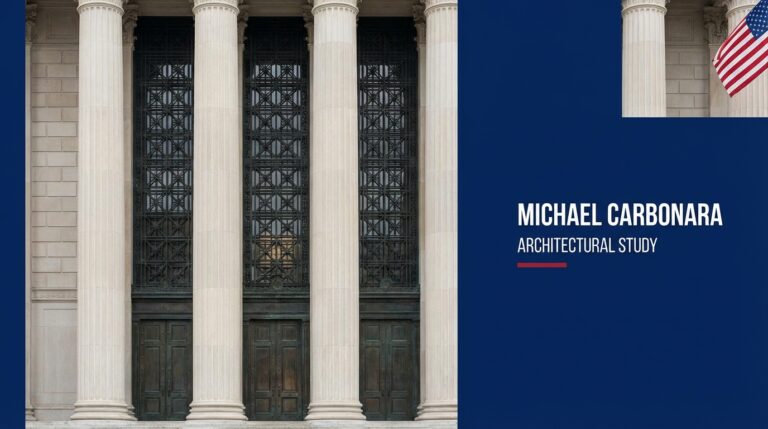
What the Constitution’s full text is and where to find the authoritative versions
Definition: the Constitution and its amendments as primary law
The us constitution full text is the starting point for any serious study. Read as the primary law that establishes the government structure and amendments, it should be consulted directly rather than only through summaries. For the canonical text and official transcriptions, public institutions host stable copies and notes for readers to reference; see the National Archives reproduction for the founding documents and text guidance National Archives Charters of Freedom.
Top institutional sources that host the canonical text
Legal and academic repositories provide searchable, plainly formatted copies of the Constitution that many educators and librarians use as the baseline. The Legal Information Institute at Cornell maintains a widely used online version with convenient navigation and annotations for clauses Legal Information Institute’s Constitution page.
The Avalon Project at Yale Law School offers a historical reproduction of the Constitution and related founding documents that is useful for readers who want facsimile style presentation alongside contextual materials Avalon Project Constitution text.
quick access to the three primary online sources for the full constitutional text
Check publisher or archive notes for edition details
The National Archives provides the Charters of Freedom display and authoritative transcriptions of the Constitution and its amendments, which is a durable reference for the primary text and the official presentation of founding documents National Archives Charters of Freedom.
Who needs which kind of Constitution book: matching goals to formats
Reader goals: basic literacy, classroom study, legal analysis
Different readers come to the Constitution with different aims. A person seeking basic literacy wants a plain explanation of the clauses and amendments. A student in a history or civics class needs a compact textbook or guided collection. A law student or practicing lawyer needs annotated codes and casebooks. Institutional reading lists often present recommendations by these audience levels to help match format and depth to purpose; consult Library of Congress guidance for how collections are organized Library of Congress collection guide.
How institutional reading lists group recommendations by audience
Civic education centers and archives commonly group materials into concise primers for newcomers, annotated editions that pair text with notes, historically grounded narratives, and casebooks or commentaries for professional study. The National Constitution Center curates recommended resources that reflect those categories for classroom and public audiences National Constitution Center educational resources. See the center’s U.S. Constitution overview The U.S. Constitution.
A simple framework to choose the best Constitution book for you
Step 1: define your goal and time
Step 1 is practical. Decide whether you want quick orientation, a semester of study, or professional depth. A clear goal narrows the formats to consider and sets a realistic schedule.
Step 2: prefer primary texts and annotated editions for accuracy
Step 2 is a rule of thumb: start with an authoritative copy of the us constitution full text and then choose an annotated edition if you need explanation. Primary texts hosted by archives and university projects should be the baseline for accuracy and citation Legal Information Institute’s Constitution page. Learn more about the author’s background on the about page.
Join the campaign for updates and involvement
Consult the Library of Congress and Constitution Center reading guides for tailored lists that match your reading goal and time.
Step 3: add historical or casebook context as needed
If your goal requires historical framing, add a concise history or a collection of The Federalist Papers to see the ratification debates. If you need doctrinal analysis, move to casebooks and law review commentary that pair the text with court decisions and scholarly notes Supreme Court overview of the Constitution.
Check edition dates and editorial notes before buying or borrowing. Institutional pages and publisher edition notes help confirm that an annotated edition contains current citations and updated commentary appropriate to your study needs National Constitution Center educational resources.
Recommended categories and what to look for in primers and annotated editions
Concise primers for non-specialists
A good primer explains clauses in plain language, walks readers clause by clause, and keeps length modest so newcomers are not overwhelmed. Libraries and educational centers recommend short primers as the first book after reading the primary text because they convert dense phrasing into accessible steps Library of Congress collection guide. See our constitutional rights hub for related posts.
When selecting a primer, look for clear section headings tied to constitutional articles and amendments, a glossary of legal terms, and short suggested further reading. These features make it easier to move from basic literacy to deeper editions when you are ready.

Annotated editions and collections that pair text with commentary
Annotated editions reproduce the full constitutional text and add explanatory notes, citations to cases, and editorial commentary. These editions are valuable when you want precise context around how a clause has been interpreted over time. Institutional reading lists commonly place annotated editions as the next step after a primer for readers who want accuracy and depth National Constitution Center educational resources.
Good annotations point to primary sources, relevant Supreme Court decisions, and historical documents rather than offering partisan summaries. Edition notes should list editors and the edition year so you can judge whether annotations reflect recent jurisprudence.
Books and materials for students and legal readers: casebooks, commentaries, and Supreme Court resources
What law students and advanced readers typically use
Law students and advanced readers usually rely on casebooks and annotated codes that compile important decisions, doctrinal summaries, and problem sets. Casebooks are designed for classroom use and often balance text, cases, and commentary to teach legal reasoning rather than provide a simple narrative.
For doctrinal study, pair the text with curated Supreme Court resources and court opinions. The Supreme Court’s overview pages and the Court’s published opinions are central to legal study and to understanding how particular clauses operate in practice Supreme Court overview of the Constitution.
How to pair primary text with case law and scholarly commentary
Advanced study combines the us constitution full text with case summaries, law review articles, and annotated treatises. Use the official text as the anchor and consult casebooks for doctrinal frameworks and law reviews for scholarly debate and emerging interpretations Legal Information Institute’s Constitution page.
When a course or research project requires citation precision, prefer reputable law publishers and the latest edition of casebooks, because updates reflect new court decisions and scholarly corrections.
How to verify editions, annotations, and publication details
Checking publisher pages and institutional reading lists
Before you buy or borrow, check publisher edition notes and the book’s publication date. Also consult the Constitution Annotated Constitution Annotated. Publisher pages list editors, the edition year, and whether the text includes updated case citations or new commentary. Institutional reading lists often point to recommended editions and can flag older printings that have been superseded Library of Congress collection guide.
Edition notes, editors, and the value of updated scholarship
Editorial notes matter for annotated editions and casebooks because they clarify the scope of commentary and the time frame of cited cases. If you need up-to-date references for classroom or legal use, prefer editions that list recent updates and provide clear editorial credits National Constitution Center educational resources.
Common mistakes and pitfalls when choosing a Constitution book
Relying on unsourced summaries or partisan takes
A frequent error is choosing a book because it matches a partisan view or because it was highly promoted. Institutional guides warn against relying on unsourced summaries and suggest starting from the primary text and curated lists instead National Constitution Center educational resources.
Confusing popular histories with primary or annotated texts
Another common pitfall is treating readable histories as substitutes for annotated editions or primary texts. Popular histories can be helpful for narrative context, but they are not a replacement for the full text or an edition that links clauses to cases and primary sources National Archives Charters of Freedom.
A practical reading plan: schedules and annotated-text study tips
Four-week plan for beginners

Week 1: Read the us constitution full text slowly, article by article, using an authoritative online text to mark unfamiliar terms. Make a short note for each article and identify any amendments you find unclear to look up later Legal Information Institute’s Constitution page.
Week 2: Select a concise primer that follows the text clause by clause and read the primer alongside the primary text to match explanation to original language. This pairing helps build accurate foundational understanding Library of Congress collection guide.
How to read a clause with annotations and cases
Week 3: Move to an annotated edition for clauses that matter to your interest. Read the clause, then read the annotation and note any cited cases. Look up a single landmark Supreme Court case that shaped interpretation and read a short summary of that opinion Supreme Court overview of the Constitution.
Week 4: Synthesize by writing a one page note on one article or amendment that you found interesting. Keep a reading log with dates, sources, and two follow up items for deeper study such as a law review article or a historical essay National Constitution Center educational resources.

Where to continue learning: institutional resources and curated reading lists
Stable institutional pages to follow
Return to the Library of Congress collection guides and the National Archives Charters of Freedom for stable transcriptions and curated materials; these pages are the best places to check for recommended companion materials and updates Library of Congress collection guide. See teaching resources from the National Archives Teaching Six Big Ideas.
There is no single best book for every reader; start with the us constitution full text from institutional sources and then choose a primer, annotated edition, or casebook based on your goal.
Using the Library of Congress and Constitution Center collections for updates
The National Constitution Center maintains educational resource lists and suggested readings that are organized by audience and classroom use, which can be helpful when seeking updated synthesis monographs or teaching materials National Constitution Center educational resources.

Conclusion: choosing the right next step after reading the primary text
Quick recap of formats and next actions
Start with the authoritative primary text, then choose a format that matches your goal. For basic literacy, a concise primer; for accuracy, an annotated edition; for classroom or legal work, a casebook and court resources. Institutional reading lists help match purpose to format Library of Congress collection guide. You can also check our news page for related updates.
Final advice on verifying editions and purposes
Verify edition notes and publication dates before committing to a particular annotated edition or casebook. Revisit institutional pages periodically to find updated recommendations and to confirm that a chosen edition remains current National Constitution Center educational resources.
Authoritative online versions are available from the National Archives, Cornell Law School's Legal Information Institute, and Yale's Avalon Project.
Beginners benefit from a short primer or an annotated plain language edition that explains clauses and amendments step by step.
Use casebooks and annotated codes for classroom or legal study when you need doctrinal analysis and curated case law references.
References
- https://www.archives.gov/founding-docs/constitution
- https://www.law.cornell.edu/constitution/
- https://avalon.law.yale.edu/18th_century/const01.asp
- https://www.loc.gov/collections/u-s-constitution-and-its-amendments/about/
- https://constitutioncenter.org/learn/educational-resources
- https://constitutioncenter.org/the-constitution
- https://www.law.cornell.edu/constitution/
- https://michaelcarbonara.com/about/
- https://constitution.congress.gov/browse/
- https://www.supremecourt.gov/about/constitution.aspx
- https://www.archives.gov/legislative/resources/education/constitution
- https://michaelcarbonara.com/issue/constitutional-rights/
- https://michaelcarbonara.com/news/
- https://michaelcarbonara.com/contact/