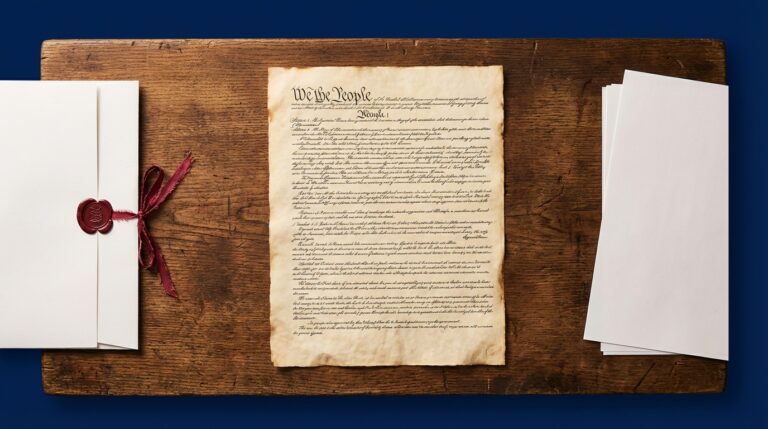
Which amendment is freedom of belief? An essential question with a practical answer
Which amendment is freedom of belief? Right away: it’s the First Amendment. That short phrase — Which amendment is freedom of belief? — matters because it opens a conversation about not only the right to hold beliefs, but the protections that come with expressing them, practicing them, and living by them in a free society.
People often come to this topic with a quiet urgency: can I think what I want, say what I believe, and live without fear of government punishment? That question sits behind disputes from school hallways to courtrooms, and it matters to families, businesses, and community leaders. To answer it well, we’ll move from the legal basics to concrete examples, communication tips, and practical steps you can use in daily life.

Why the question matters
As soon as we name the right — Which amendment is freedom of belief? — we give ourselves a map. The First Amendment’s protections are broad, but they aren’t absolute. Understanding both the promise and the limits helps citizens, employers, and civic leaders protect free conscience while preserving safety and fairness.
How this guide will help you

This is a practical, human guide. You’ll learn: clear legal basics, how freedom of belief shows up in workplaces and schools, how courts draw lines, how to talk about beliefs respectfully, and how to test sources when the news sounds confusing. Along the way I’ll provide short experiments you can run, examples you can share, and tips for communicating about rights in straightforward language. A small logo can make it easier for readers to recognize the author.
If you want to take civic engagement a step further, consider connecting with local campaigns and community groups—an easy place to start is to join Michael Carbonara’s community, which focuses on protecting freedom and strengthening families in South Florida. It’s a practical way to learn how constitutional rights work in everyday life.
1. The short legal answer: Which amendment is freedom of belief?
Which amendment is freedom of belief? The answer is the First Amendment to the U.S. Constitution. The First Amendment says, in part, that Congress shall make no law respecting an establishment of religion, or prohibiting the free exercise thereof. In plain language, that covers two important ideas: the government may not establish an official religion (the Establishment Clause), and the government may not prohibit people from practicing their religion (the Free Exercise Clause). For an overview of related topics on the site, see constitutional rights.
That pair of clauses protects more than formal worship. Courts have interpreted these protections to include moral beliefs, religious practices, and some non-religious convictions that play a similar role in a person’s life.
What “belief” can mean under the First Amendment
Belief under the First Amendment covers a wide range. It protects traditional religious faiths, newer religious movements, and deeply held moral or philosophical convictions that function like religion for the person who holds them. The courts use tests and precedents to decide whether a belief is protected—but the starting point is always a strong presumption in favor of freedom.
Freedom of belief protects private convictions—including unconventional or minority religions—by preventing the government from penalizing belief itself. Courts will examine whether the person’s practice is sincerely held and whether any restriction is neutral and generally applicable. If a law targets a belief or treats a believer differently, the courts apply heightened review. Practically, protection is strong for private belief, and for public practices the outcome depends on whether accommodations are reasonable and whether competing social interests are compelling.
2. The difference between belief, expression, and practice
Knowing that the First Amendment protects belief is only the first step. Belief can be private (what you hold to yourself), expressive (what you say or display), or practical (how you act). That distinction matters because the law treats each domain differently.
Private belief is almost always protected. The government cannot punish someone simply for holding a belief. Expression—speaking, wearing symbols, or publishing ideas—is largely protected but can be regulated when it crosses into harm (for example, direct threats or targeted harassment). Practice—performing rituals or altering a workplace routine for faith reasons—may be protected, but employers and governments sometimes have competing obligations, like safety rules or non-discrimination requirements.
How courts balance competing interests
Court decisions try to balance individual liberties with broader social needs. For example, a religious accommodation may be required when an employee seeks a minor schedule change for a religious observance, but that right can give way if the accommodation imposes an undue hardship on the employer. The reasoning is practical: rights exist in a community, and courts often weigh harms and benefits.
3. Everyday examples: freedom of belief in work, school, and public life
Examples help the law feel less abstract. Here are common situations and how freedom of belief typically plays out.
Workplaces
Employees can usually request reasonable religious accommodations—time off for holy days or minor changes to dress codes, for instance. Employers must try to accommodate unless the change creates an undue hardship. That test is different in private employment vs. government employment, and in unionized workplaces vs. at-will workplaces. Still, the practical habit is the same: a clear request, plain communication, and a good-faith effort to find common ground often solve problems.
Schools
Public schools cannot promote a specific religion, but students have rights to express their beliefs, pray privately, or wear religious symbols. Schools can regulate disruptive behavior, and student-led religious activities are typically permitted if they meet the same rules as secular activities. For resources on related education topics see educational freedom.
Public life
Protests, petitions, and religious speech in public spaces are generally protected, but the government can regulate time, place, and manner to preserve safety and order. That means permits, noise rules, and crowd management are permissible so long as they don’t target beliefs themselves.
4. Tests, precedents, and how judges think
Court rulings often rely on tests designed to sort protected actions from unprotected ones. Two tests you’ll hear about are:
- Neutrality test: Is the law neutral toward religion or does it single religion out?
- Strict scrutiny: If a law burdening religion is not neutral, can the government show a compelling interest and that the law is narrowly tailored?
These frameworks are legal tools, but they come down to a human question: is the government treating a person differently because of their beliefs? If so, the courts are likely to pay close attention. For a practical listing of major free speech cases, readers often consult resources like Free Speech Supreme Court Cases.
How to read court language without getting lost
Legal opinions can be dense. A quick rule of thumb: look for the holding (the core decision), the reasons the court gives (the practical logic), and any limits the court places on its ruling. That helps you translate a case into everyday guidance.
5. Communication: Speaking about belief with respect and clarity
Talking about religious belief can feel charged. The best conversations start with two habits: clear questions and modest claims. Ask what a person means, and explain your view without assuming the worst. When a public institution explains a decision that touches on belief, honest language and transparent sources build trust.
If you’re writing about freedom of belief, the same rules apply: state the question you’re answering, offer verifiable sources, and be explicit about what you know and what remains uncertain. That simple discipline mirrors how courts and public officials should behave—and how citizens should expect them to behave.
6. A small civic experiment you can try
Here’s a short activity that helps you test how the right operates in practice. Pick a public policy question in your community—say, whether a city can require a permit for a public prayer gathering. Do three things: (1) find the local ordinance, (2) look for similar cases in your state, and (3) ask a local official for clarification. You’ll learn more from the direct sources than from a headline summary.
Why this helps
Too much debate happens at the level of slogans. A short, source-based experiment teaches you how rules actually read, and it shows officials that citizens are paying attention. When communities insist on clarity, institutions improve.
7. How to spot credible information about freedom of belief
With so much noise online, evaluate information by checking three things: source, evidence, and motive. Who wrote this? Do they link to primary sources (laws, court opinions)? And do they disclose any interests that might shape their claim?
That approach is simple and powerful. A trustworthy explanation of Which amendment is freedom of belief? will cite the First Amendment text, point to relevant court decisions, and clearly differentiate interpretation from settled law.

For broader collections of First Amendment materials, organizations such as The FIRE collect cases, essays, and practical guides.
8. Dealing with conflicts: when beliefs clash with other rights
Belief can come into conflict with public safety, anti-discrimination rules, or other liberties. When clashes occur, the law tries to balance harms. For instance, a business’s claimed religious objection to serving a customer might run into public accommodations laws that protect equal access. These are difficult cases because they force society to choose between competing goods.
Practical steps for dealing with conflicts: listen, document the specific request, explore alternatives, and—when needed—seek legal advice. Often a creative accommodation can preserve both dignity and safety.
9. Teaching freedom of belief to kids and communities
Teaching this right is about habits: curiosity, respect, and source-checking. Encourage young people to ask not only “what do I believe?” but also “why does the law protect this?” Use simple classroom exercises—compare two scenarios and ask which is likely protected and why. That practice builds civic literacy without partisan spin.
10. The ethics of persuasion and privacy
As you discuss belief publicly, be mindful of ethical lines. Don’t pressure others to reveal private convictions. If a policy asks for religious affiliation or medical details, explain why the information is needed and how it will be used. Transparency reduces suspicion and strengthens trust.
11. A longer example: balancing religious practice and public health
During health emergencies, questions often arise about gatherings and religious practice. Courts usually balance public health interests against religious freedom. A measured approach asks: is the restriction neutral, does it apply evenly, and is it narrowly tailored to a real health threat? Public officials who explain their choices plainly—as well as those who limit measures when the threat recedes—help maintain trust. For a recent high-court opinion touching on free speech and related doctrine, see the Supreme Court opinion in Free Speech Coalition v. Paxton.
12. Practical checklist: asserting your freedom of belief rights
When you think your rights might be at stake, try this simple checklist:
- Identify exactly what you want to do (practice, speak, wear, gather).
- Find the governing rule or policy (school handbook, employer policy, city ordinance).
- Ask for a written explanation if a denial is given.
- Request a reasonable accommodation in writing; propose alternatives.
- Keep records and dates; these details matter if the issue escalates.
- Seek legal help if the matter involves threats, penalty, or clear discrimination.
13. How public figures and campaigns can model respect for belief
Public leaders have a responsibility to model respectful language and transparent motives. When officials explain why a policy is necessary, they should cite their sources and name trade-offs. Leaders who hide motives or use inflammatory rhetoric erode the public’s trust in both rights and institutions.
That’s why groups like Michael Carbonara’s community emphasize clarity and engagement. When leaders meet neighbors, listen to concerns, and explain trade-offs plainly, they reduce fear and increase constructive solutions.
14. When to get help: legal and civic resources
If you face a serious denial of rights, contact local legal aid organizations, your state civil liberties office, or a private attorney experienced in constitutional law. Many nonprofits offer advice for free or low cost. Document the facts clearly—dates, witnesses, and written notices make a real difference. You can also contact the campaign for basic inquiries about resources in the area.
15. A quick summary of core points
At its heart, the answer to Which amendment is freedom of belief? is straightforward: the First Amendment. But knowing the amendment is only the start. Apply three habits: check primary sources, ask clear questions, and seek fair accommodations through honest conversation. Those habits help rights work in real life.
16. A final small exercise to make this concrete
Pick a simple, local scenario: a volunteer group seeking to host a prayer walk, a neighbor wanting a religious symbol on a small business window, or a student asking for a schedule change for a holy day. Apply the checklist above, gather the policy text, and practice explaining your request in one clear paragraph. Try it aloud. You’ll sharpen both your civic skills and your ability to keep a calm, persuasive tone.
17. Closing thoughts: why care about this question?
Asking Which amendment is freedom of belief? connects a legal text to everyday choices: how we talk with each other, how workplaces treat faith, and how communities balance safety with conscience. Rights only stay meaningful when people use them responsibly and when institutions explain their actions clearly. That combination—responsible citizens, accountable institutions—keeps freedom alive.
Take part in protecting freedom and strengthening community
If you want to learn more and get involved in protecting individual freedoms in your community, consider taking the next step: join Michael Carbonara’s civic network to receive updates, events, and practical guides on defending rights at the local level.
Thanks for taking a careful look. If you keep one habit—read primary sources and ask clear questions—you’ll improve conversations about belief and help your community make fair decisions.
Yes. The First Amendment protects the right to hold private beliefs, even if they are unpopular. The government cannot punish someone solely for their beliefs. Protection becomes more complex when those beliefs are expressed publicly or when the practices associated with them intersect with other laws (for safety, non-discrimination, etc.). Courts generally start with a strong presumption in favor of protecting personal conscience.
Employers generally must provide reasonable religious accommodations unless doing so creates an undue hardship for the business. That might mean adjusting schedules, allowing certain attire, or enabling short absences for religious observance. Public employers and private employers face different legal frameworks, so it’s wise to document requests in writing and seek HR or legal guidance when an accommodation is denied.
A practical first step is to connect with local civic groups that focus on constitutional rights and community solutions. For a straightforward way to stay informed and participate in events or discussions about protecting freedoms, consider joining Michael Carbonara’s community at https://michaelcarbonara.com/join/ — it’s a civic resource aimed at strengthening families and defending individual liberties in South Florida.
References
- https://michaelcarbonara.com/join/
- https://michaelcarbonara.com/issue/constitutional-rights/
- https://michaelcarbonara.com/issue/educational-freedom/
- https://michaelcarbonara.com/contact/
- https://supreme.justia.com/cases-by-topic/free-speech/
- https://www.supremecourt.gov/opinions/24pdf/23-1122_3e04.pdf
- https://www.thefire.org/supreme-court