
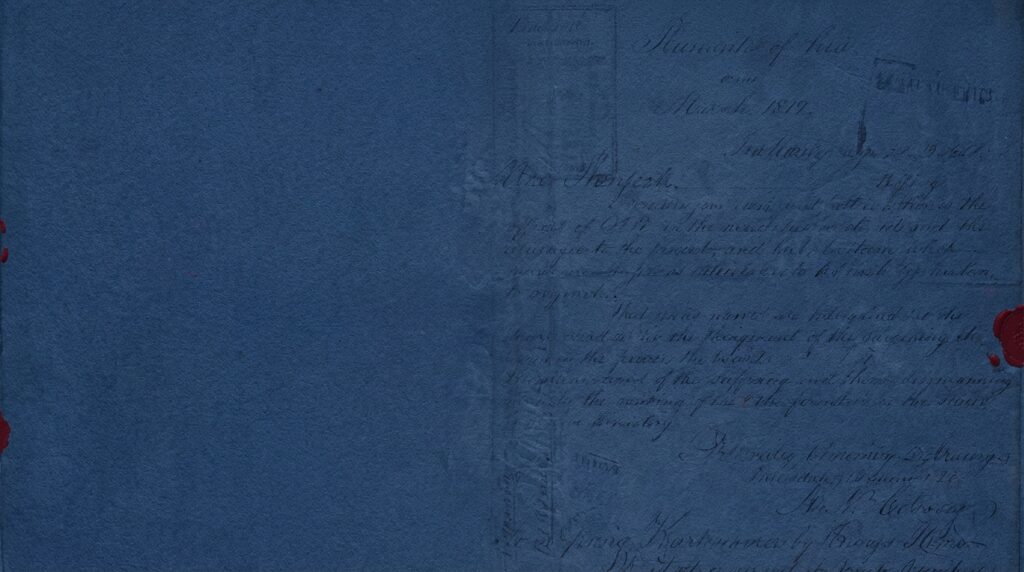
What the 19th Amendment is and why it matters
Exact legal change in the Constitution
The 19th Amendment prohibited denying the right to vote on the basis of sex and was ratified in 1920; the exact amendment text and ratification record are preserved in archival documents for reference National Archives Nineteenth Amendment milestone.
Why historians treat 1920 as a turning point
Historians treat ratification in 1920 as a turning point because it established a national legal prohibition against denying the franchise on the basis of sex, even though access in practice varied by place and race Encyclopaedia Britannica overview of the Nineteenth Amendment.

The amendment did not appear overnight; it followed decades of organized suffrage activity at local, state, and national levels, a pattern visible across institutional histories National Park Service overview of women’s suffrage.
To describe the 19th amendment accurately, use the text of the amendment and pair that legal language with institutional histories that explain how the measure was achieved National Archives Nineteenth Amendment milestone.
The legal change expanded the electorate in law for many women, but scholars and archival records document persistent barriers that left the amendment incomplete in practice for many women of color National Archives Nineteenth Amendment milestone.
describe the 19th amendment
The movement began in the mid-19th century with conventions, publications, and organizing that established suffrage as a public cause and a recurring political demand Library of Congress collection overview.
In the late 19th and early 20th centuries, national organizations formed to coordinate campaigns and lobbying across states, expanding both public outreach and legislative strategy National Park Service overview of women’s suffrage.
The final years before 1920 combined state victories, intensified national lobbying, and visible public demonstrations that together helped produce the congressional proposal and state ratifications National Archives Nineteenth Amendment milestone.

A short timeline: key phases of the suffrage movement
Mid-19th-century origins
The movement began in the mid-19th century with conventions, publications, and organizing that established suffrage as a public cause and a recurring political demand Library of Congress collection overview.
Organizational growth and national campaigns
In the late 19th and early 20th centuries, national organizations formed to coordinate campaigns and lobbying across states, expanding both public outreach and legislative strategy National Park Service overview of women’s suffrage.
The final push to 1920
The final years before 1920 combined state victories, intensified national lobbying, and visible public demonstrations that together helped produce the congressional proposal and state ratifications National Archives Nineteenth Amendment milestone.
Which organizations led the push: NAWSA and the National Woman’s Party
NAWSA’s strategy and leadership under Carrie Chapman Catt
Histories identify the National American Woman Suffrage Association as a central organization that pursued a state-by-state strategy and legislative lobbying under leaders such as Carrie Chapman Catt and is documented in NAWSA records, focusing on steady gains in state legislatures National Park Service overview of women’s suffrage.
NAWSA’s approach emphasized building majorities in statehouses and using suffrage associations to influence lawmakers and public opinion, a strategy that complemented other national efforts National Park Service overview of women’s suffrage.
Explore primary sources and institutional histories
For readers interested in primary documents and institutional histories, review archival collections and institutional summaries to see how organizational strategies are documented.
The National Woman’s Party and Alice Paul’s tactics
The National Woman’s Party, led by Alice Paul, pressed for a constitutional amendment through national-level protest tactics, including White House pickets and direct action that raised visibility for a federal solution Alice Paul Institute background on Alice Paul.
The NWP’s confrontational methods and the timing of national protests are often highlighted as complementary to NAWSA’s state-centered work, with historians noting how these different tactics helped create pressure on Congress National Park Service overview of women’s suffrage.
Foundational leaders: Susan B. Anthony and Elizabeth Cady Stanton
Mid-19th-century organizing and arguments
Susan B. Anthony and Elizabeth Cady Stanton are recognized as foundational leaders whose organizing, speeches, and publications shaped the movement’s early arguments and networks, as documented in major archival collections Library of Congress collection overview.
Their work established organizational forms and rhetorical frameworks that later groups used, even as the movement evolved through new leaders and strategies over decades Library of Congress collection overview.
Tactics that helped secure the amendment
State ballot campaigns and lobbying
State-level ballot campaigns and legislative lobbying built local victories that, in some states, created momentum for a national amendment by demonstrating political viability National Park Service overview of women’s suffrage.
Public demonstrations and parades
Public marches and parades helped shape public opinion and signaled organized, broad support for suffrage in many communities, providing visible evidence that the movement was socially grounded PBS American Experience resources on the vote.
A short list of places to consult for primary documents and institutional summaries
Start with these major collections
Direct-action tactics, including White House pickets and hunger strikes by National Woman’s Party activists, drew national attention and increased pressure on federal lawmakers during critical moments Alice Paul Institute background on Alice Paul.
Historians emphasize the tactical diversity across organizations, arguing that different methods mattered in different political contexts rather than a single dominant tactic securing victory National Park Service overview of women’s suffrage.
How state campaigns and Congress produced a constitutional amendment
State-by-state strategy and referenda
NAWSA’s state-by-state strategy sought to win suffrage in individual state legislatures and referenda, increasing both voter bases and political pressure for a national change over time National Park Service overview of women’s suffrage.
Congressional lobbying and the amendment process
National lobbying and public pressure combined with the constitutional amendment process in Congress to produce a proposed amendment that required ratification by the states, a sequence recorded in archival records of the period National Archives Nineteenth Amendment milestone and described in the National Archives education lesson Woman Suffrage and the 19th Amendment.
Ratification in 1920 and immediate outcomes
The final ratification steps
The amendment was approved through the constitutional amendment process and ratified by the required number of states in 1920, making its text national law as recorded in the archives National Archives Nineteenth Amendment milestone.
Who gained the legal right to vote
Leadership was collective: national organizations such as NAWSA under Carrie Chapman Catt and the National Woman's Party under Alice Paul, together with foundational leaders like Susan B. Anthony and Elizabeth Cady Stanton and many local organizers, jointly produced the 1920 ratification while racial and regional exclusions limited access in practice.
Legally, millions of women gained the right to vote after ratification, but historians and institutional analyses note that many women of color continued to face legal and extralegal barriers that limited practical access to the ballot National Park Service overview of women’s suffrage.
Who remained excluded: racial and regional limits of the amendment
Legal and extralegal barriers after 1920
Despite the amendment’s legal prohibition, Jim Crow laws, poll taxes, literacy tests, and extralegal intimidation continued to block many Black women and other women of color from full voting access in many states National Archives Nineteenth Amendment milestone.
How historians frame exclusion in the amendment’s legacy
Scholars emphasize that the 19th Amendment expanded legal rights but did not by itself resolve regional and racial exclusions; later civil-rights work addressed many of these remaining barriers Encyclopaedia Britannica overview of the Nineteenth Amendment.
The amendment’s longer-term legacy and historical debate
How the electorate changed
The amendment broadened the legal electorate and reshaped political calculations over time, as historians note in institutional syntheses that link suffrage to later political developments Encyclopaedia Britannica overview of the Nineteenth Amendment.
Ongoing scholarly questions
Ongoing scholarship examines how leadership, tactics, and exclusion together shaped the amendment’s effects and why some outcomes unfolded unevenly across regions and communities National Park Service overview of women’s suffrage.
How historians assign credit and why leadership is complex
Difference between public leaders and grassroots organizers
Historians stress that visible national leaders worked alongside many local organizers and volunteers whose contributions were essential to building the votes and influence needed for change Library of Congress collection overview.
Why no single ‘leader’ fully explains the amendment
Because the movement combined state campaigns, national lobbying, and public demonstrations over decades, credit is shared across organizations, generations, and local campaigns rather than resting on a single person National Park Service overview of women’s suffrage.
Typical mistakes when describing the 19th Amendment
Overcrediting one leader or organization
A frequent error is to attribute the amendment to a single leader or group instead of recognizing the combined roles of NAWSA, the NWP, and many local activists documented in institutional histories National Park Service overview of women’s suffrage.
Assuming legal change meant immediate equal access
Another common mistake is assuming the amendment instantly delivered equal access to the ballot for all women; archival and scholarly sources show legal rights often met structural and extralegal resistance in many states National Archives Nineteenth Amendment milestone.
Practical examples and short case studies
White House pickets as an example of national pressure
The White House pickets led by National Woman’s Party activists are a clear, documented example of national direct action that increased federal attention and public debate about a national amendment Alice Paul Institute background on Alice Paul.
State campaign examples as grassroots strategy
State referenda and legislative campaigns show how local organizing and state-level wins helped make a national amendment politically feasible, a pattern described in major institutional overviews National Park Service overview of women’s suffrage.
How to write a concise, accurate answer to ‘who led the movement’
A model paragraph readers can adapt
Model: The drive for the 19th Amendment combined leadership from NAWSA, led by figures such as Carrie Chapman Catt, and the National Woman’s Party under Alice Paul, with foundational work by Susan B. Anthony and Elizabeth Cady Stanton; institutional histories document how state campaigns, national lobbying, and public protest together produced the 1920 ratification while also noting persistent barriers for many women of color National Park Service overview of women’s suffrage.
Pointers on sourcing and attribution
When you describe leadership, cite primary texts for the amendment itself and rely on major institutional summaries for organizational history; these sources provide both the legal wording and context for tactical differences and legacy assessments National Archives Nineteenth Amendment milestone.
The main national organizations were the National American Woman Suffrage Association, which used state-by-state campaigns, and the National Woman's Party, which pursued national direct-action tactics; earlier leaders like Susan B. Anthony and Elizabeth Cady Stanton helped build the movement's foundations.
No. The amendment prohibited denying the vote on the basis of sex, but many women of color continued to face legal and extralegal barriers that limited practical access for years afterward.
Cite the amendment text and ratification records from the National Archives and use institutional histories from major archives and historical organizations for context.
References
- https://www.archives.gov/milestone-documents/19th-amendment
- https://www.britannica.com/event/Nineteenth-Amendment-to-the-United-States-Constitution
- https://michaelcarbonara.com/contact/
- https://www.nps.gov/subjects/womenshistory/womens-suffrage.htm
- https://www.loc.gov/collections/women-of-protest-1890-to-1920/about/
- https://michaelcarbonara.com/about/
- https://www.archives.gov/education/lessons/woman-suffrage
- https://www.loc.gov/collections/national-american-woman-suffrage-association-records/about-this-collection/
- https://www.womenshistory.org/education-resources/biographies/carrie-chapman-catt
- https://www.alicepaul.org/about/
- https://www.pbs.org/wgbh/americanexperience/features/vote-19th-amendment/
- https://michaelcarbonara.com/issue/constitutional-rights/
- https://michaelcarbonara.com/read-the-us-constitution-online/



